

 2
2


Breathing Life Into History and Watching It Bloom
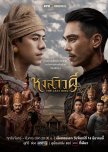
Hongsawadi: The Last Duel offers a new take on a famous period in Thai history that culminated in the last duel on elephants by two monarchs and the independence of Ayutthaya.The plot weaves together historical figures and events from the wars between Burma and Siam back in the 16th century when city-states vied for power, but re-imagines it by presenting the Burmese Crown Prince Mingyi Swa and Prince Nares of Phitsanulock as having grown up together, being childhood friends and sworn brothers. Both princes are polar opposites in terms of character but their devotion and loyalty to one another creates a tension and force that tries to push against the hand of Fate. Their stories are parallels of one another, with markedly different outcomes.
By adding a human element to the characters, the drama succeeds in presenting every historical character as multi-layered and relatable, driven by their own goals and desires in life. The Burmese side is not made up of cartoonish villains here, rather it is presented as a clash of cultures and ideals where everyone desires something but at a cost they may not be willing to pay.
The plot and script are well-crafted: the foreshadowing begins from the first episode and keeps increasing the tension like a bow pulled to its full length only to loosen with devastating effect by the final episode. The dialogue in particular is full of concise, yet powerful lines that punctuate the fog of human behaviour and strike right at the heart of the viewer with many thought-provoking arguments.
The cast is superb: the older actors are all industry veterans and household names in Thailand. The younger actors are also perfectly suited to their roles. The two leads, Tre and Naphat, give what is perhaps the best performance of their career yet as Naris and Mingyi Swa; it is their skill in acting, both facial expressions and body language, that draws viewers to this drama. Without these two, the drama would have no “heart”.
Production values are very high by TV standards: cinematography and OST are at the level of a high-budget movie. Post-production in terms of video and sound editing is nearly flawless. Costume design is sumptuous and detailed, with fabrics sourced from India and jewellery and accessories hand-made to match each character. Make-up and styling is on point; the actors look their best here.
I would prefer not to but let’s address the elephant in the room (pun intended): this drama was suddenly plagued by plagiarism accusations just when it was about to air its last two episodes. Motives and suspicious timing aside, as someone who has watched the TV drama and read and owns the comic book, I can say the two are very different and share only the historical period and character names, though even that is debatable.
In brief: this is a highly recommended drama with an excellent narrative and acting and requires no prior knowledge of Thai-Burmese history to enjoy. I will be re-watching it many times in the future, to enjoy Naris and Mingyi Swa’s bond and the promise of what might have been. I can’t help but feel that the drama’s central themes and message of peace, diplomacy, and cultural tolerance are more relevant than ever in today’s world.
PS: I might sound very calm in this review but I was cheering madly and crying desperately while watching Phra Naris and his Maha Uparaja! XD
Was this review helpful to you?


