For those of you still reeling from that magnificent finale, you can find on the YouTube channel "紫陌红尘 Kill to Love" two videos in which each of the lead actors watches the other perform the powerful final courtroom scene. Better keep some tissues close at hand!
As for me, it will take a few days to process both the ending and the beginning of the great love story between Xiao Shue He and Duan Ziang. See you soon!
Yesterday, I posted a long message about the scenes that particularly moved me in the penultimate episodes, especially regarding the complex and shifting balance of power between the two heroes. Today, I would like to address the question of Xiao Shue He’s motivations, which have been the subject of much debate among viewers.
I should clarify right away that I have not read the novel: my reflections are therefore based solely on the drama, and in particular on episode 11, which I watched this evening not without a touch of anxiety.
Many fans have pointed out that Xiao Shue He’s relentless mourning for an abusive brother—parricidal and willing to sacrifice an innocent sibling—is incomprehensible, especially given that Duan Ziang’s act was primarily intended to protect someone he loved.
However, it seems to me that the hatred Xiao Shue He claims to feel toward Duan Ziang goes beyond—and in a sense, sidesteps—the resentment provoked by his brother’s brutal death.
First, because, as Xiao Shue He confides one night in deep despair, he and his brother were once loving and close, each supporting the other in their deepest aspirations. The death of Xiao Shu Qian—caused more by his own madness than by Duan Ziang’s protective hand—deprives Xiao Shue He of the hope of a possible reconciliation. And perhaps it is easier for Xiao Shue He to lay the full burden of that searing, now-impossible desire on Duan Ziang than to admit his brother’s responsibility in this long descent into ruin. (Let us recall that, during the bridge crisis scene, Xiao Shue He offers Xiao Shue Qian the chance to let him and Duan Ziang escape, in exchange for their total disappearance.)
To this first wound—one Xiao Shue He carried long before Duan Ziang’s arrival—we must add the sincere love Xiao Shue He bears for his people; a love which, with the invasion of the Southern Kingdom by the new Emperor’s bloodthirsty armies, is torn apart by the spectacle of inflicted suffering. This becomes especially clear in the scene where Duan Ziang’s brother spits in the face of a broken Xiao Shue He, telling him (truthfully or not) that the Southern soldiers captured by the North have been utterly massacred. Xiao Shue He is above all an artist and an intellectual, but as a ruling member of a long dynasty, he feels a sincere devotion to his people—a devotion that Duan Ziang rips from his heart by behaving like a tyrant.
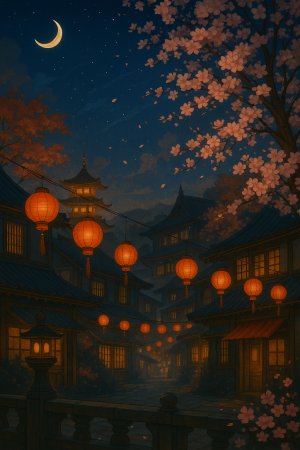
Finally, there remains the emotional reason highlighted in the passionate (and heartbreaking!) scene where Duan Ziang is struck full force by the betrayal plotted by Xiao Shue He and the young Huo Ying. When Xiao Shue He, vibrating with contained anger, asks Duan Ziang whether he is "his male pet,” when he calmly states that he now enters History as “the ruler crushed by Duan Ziang,” we understand that, whatever his true feelings, he cannot possibly surrender to a love that strips him of all dignity. Imprisoned, kneeling, whipped, chained, Xiao Shue He—despite the feelings we perceive before and during the Lantern Festival—cannot renounce his integrity as both a man and a lover.
It seems to me that this tangle of family, political, and romantic emotions forms the knot that, at the height of tragedy, prevents Xiao Shue He from once again embracing his full feelings. From my perspective, each episode—and within each episode, each scene—offers a clue as to the sometimes opaque stance Xiao Shue He adopts toward his beloved. The story is to be watched like a diamond, its countless facets casting shadow more often than light.
Like many others, I am currently following « AOB Desire » and « Kill to Love »: when it comes to dramas, weekends are therefore quite intense right now, and I feel the need to put into words some of the emotions stirred in me by the incredibly entangled love story between Xiao Shue He and Duan Ziang.
Today’s episodes left me both captivated by their ambiguous intensity and anxious about what lies ahead in the story. Like many, I hope—for one form or another—an ending that allows the star-crossed lovers to share their feelings within the peaceful paradise Xiao Shue He has always longed for. I do have some doubts about whether this wish will be fulfilled, but I haven’t entirely lost hope.
Among the moments that moved me:
1. The carriage scene where Xiao Shue He has his eyes blindfolded. When the camera pulls back, the physical postures of the two characters contrast sharply: Duan Ziang, focused on the man he loves, stiff and tense; Xiao Shue He, who has just endured the end of the world, blinded by a thin strip of cloth, head lowered and hands resting closely on his thighs, in a posture of vulnerability that seems to define his whole being. Watching this scene, one can already sense what the upcoming episodes will bring: the hand that presses and the reed that bends—on the very edge of breaking.
2. The court scene where Xiao Shue He is dragged in to be publicly interrogated by a furious Duan Ziang. From the first minute to the last, their confrontation is built around the repetition of one single gesture: Duan Ziang forces Xiao Shue He to his knees and, despite being mistreated, Xiao Shue He rises again—until he is finally led away on the Emperor’s orders to be locked in a vile dungeon. This painful repetition carries in its hollow the whole dynamic: Duan Ziang, in the depths of despair, trying to “possess”; Xiao Shue He, with the coldness of a tomb, remaining untouchable despite the humiliating assaults he endures. Personally, even if their positions are not symmetrical, I suffered with both characters.
3. The “reclining” scene where, under the threat of Xiao Shue He’s dagger, Duan Ziang turns the situation around, effortlessly pinning him to the imperial bed. The way in which, despite his anger, he immediately shifts the moment he realizes Xiao Shue He is in pain from his wounds is truly heart-rending. The persistence of care amidst such turmoil and suffering moves me deeply.
There are so many other topics I would like to bring up—such as Xiao Shue He’s feelings towards his late brother—but I fear this message is already too long.
In any case, this drama offers us a magnificent spectacle, both in terms of narrative arc and in the performances, costumes, and music.

 K-Drama



As for me, it will take a few days to process both the ending and the beginning of the great love story between Xiao Shue He and Duan Ziang. See you soon!
I should clarify right away that I have not read the novel: my reflections are therefore based solely on the drama, and in particular on episode 11, which I watched this evening not without a touch of anxiety.
Many fans have pointed out that Xiao Shue He’s relentless mourning for an abusive brother—parricidal and willing to sacrifice an innocent sibling—is incomprehensible, especially given that Duan Ziang’s act was primarily intended to protect someone he loved.
However, it seems to me that the hatred Xiao Shue He claims to feel toward Duan Ziang goes beyond—and in a sense, sidesteps—the resentment provoked by his brother’s brutal death.
First, because, as Xiao Shue He confides one night in deep despair, he and his brother were once loving and close, each supporting the other in their deepest aspirations. The death of Xiao Shu Qian—caused more by his own madness than by Duan Ziang’s protective hand—deprives Xiao Shue He of the hope of a possible reconciliation. And perhaps it is easier for Xiao Shue He to lay the full burden of that searing, now-impossible desire on Duan Ziang than to admit his brother’s responsibility in this long descent into ruin. (Let us recall that, during the bridge crisis scene, Xiao Shue He offers Xiao Shue Qian the chance to let him and Duan Ziang escape, in exchange for their total disappearance.)
To this first wound—one Xiao Shue He carried long before Duan Ziang’s arrival—we must add the sincere love Xiao Shue He bears for his people; a love which, with the invasion of the Southern Kingdom by the new Emperor’s bloodthirsty armies, is torn apart by the spectacle of inflicted suffering. This becomes especially clear in the scene where Duan Ziang’s brother spits in the face of a broken Xiao Shue He, telling him (truthfully or not) that the Southern soldiers captured by the North have been utterly massacred. Xiao Shue He is above all an artist and an intellectual, but as a ruling member of a long dynasty, he feels a sincere devotion to his people—a devotion that Duan Ziang rips from his heart by behaving like a tyrant.
Finally, there remains the emotional reason highlighted in the passionate (and heartbreaking!) scene where Duan Ziang is struck full force by the betrayal plotted by Xiao Shue He and the young Huo Ying. When Xiao Shue He, vibrating with contained anger, asks Duan Ziang whether he is "his male pet,” when he calmly states that he now enters History as “the ruler crushed by Duan Ziang,” we understand that, whatever his true feelings, he cannot possibly surrender to a love that strips him of all dignity. Imprisoned, kneeling, whipped, chained, Xiao Shue He—despite the feelings we perceive before and during the Lantern Festival—cannot renounce his integrity as both a man and a lover.
It seems to me that this tangle of family, political, and romantic emotions forms the knot that, at the height of tragedy, prevents Xiao Shue He from once again embracing his full feelings.
From my perspective, each episode—and within each episode, each scene—offers a clue as to the sometimes opaque stance Xiao Shue He adopts toward his beloved. The story is to be watched like a diamond, its countless facets casting shadow more often than light.
Today’s episodes left me both captivated by their ambiguous intensity and anxious about what lies ahead in the story. Like many, I hope—for one form or another—an ending that allows the star-crossed lovers to share their feelings within the peaceful paradise Xiao Shue He has always longed for. I do have some doubts about whether this wish will be fulfilled, but I haven’t entirely lost hope.
Among the moments that moved me:
1. The carriage scene where Xiao Shue He has his eyes blindfolded. When the camera pulls back, the physical postures of the two characters contrast sharply: Duan Ziang, focused on the man he loves, stiff and tense; Xiao Shue He, who has just endured the end of the world, blinded by a thin strip of cloth, head lowered and hands resting closely on his thighs, in a posture of vulnerability that seems to define his whole being. Watching this scene, one can already sense what the upcoming episodes will bring: the hand that presses and the reed that bends—on the very edge of breaking.
2. The court scene where Xiao Shue He is dragged in to be publicly interrogated by a furious Duan Ziang. From the first minute to the last, their confrontation is built around the repetition of one single gesture: Duan Ziang forces Xiao Shue He to his knees and, despite being mistreated, Xiao Shue He rises again—until he is finally led away on the Emperor’s orders to be locked in a vile dungeon. This painful repetition carries in its hollow the whole dynamic: Duan Ziang, in the depths of despair, trying to “possess”; Xiao Shue He, with the coldness of a tomb, remaining untouchable despite the humiliating assaults he endures. Personally, even if their positions are not symmetrical, I suffered with both characters.
3. The “reclining” scene where, under the threat of Xiao Shue He’s dagger, Duan Ziang turns the situation around, effortlessly pinning him to the imperial bed. The way in which, despite his anger, he immediately shifts the moment he realizes Xiao Shue He is in pain from his wounds is truly heart-rending. The persistence of care amidst such turmoil and suffering moves me deeply.
There are so many other topics I would like to bring up—such as Xiao Shue He’s feelings towards his late brother—but I fear this message is already too long.
In any case, this drama offers us a magnificent spectacle, both in terms of narrative arc and in the performances, costumes, and music.