


This review may contain spoilers
Messy, Layered, and Morally Gray
I genuinely can’t believe I almost skipped this drama because of mixed reviews and bad timing. If you’re unsure about watching it — just go for it. Just don’t expect softness. This isn’t a gentle romance or a clean-cut family drama. It’s layered, strategic, morally gray, and unapologetically feminine.
The drama opens strong with the Rong family premise — marriage politics, power positioning, sisters competing within the same suffocating system. It feels like everything is building toward that core idea: the Rong women navigating survival and ambition through marriage alliances. That foundation is compelling.
But somewhere in the final stretch, the focus shifts. I really expected a full-circle moment — a wedding, a reunion, some emotional payoff tied back to how it all began. The way the show set itself up made it feel like that closure was coming. It never quite landed, and that missing resolution is noticeable.
What keeps the drama gripping, though, is how layered it is. The story keeps expanding. Every twist leads to another revelation. It feels like a pot constantly boiling — always on the edge of spilling over. It never shrinks into something small or predictable.
Now the female lead. This was my first time watching Gulnazar, and she was magnetic. Cold, calculating, proud, strategic — never apologetic for her ambition. She isn’t written to be morally pure, and she never becomes that. Even toward the end, she’s still scheming, still withholding, still choosing control over vulnerability.
That’s her strength — but also her flaw.
Her biggest weakness isn’t arrogance. It’s trust. She refuses to fully collaborate, especially with the male lead. She hides plans, pushes him away “for his own good,” and insists on carrying everything alone. I love powerful female leads, but strength doesn’t have to mean isolation. If she had allowed true partnership, the emotional payoff would have been stronger.
Now Hao Minghao… I did not expect this to be the drama where I fall for him like this. He balanced softness and intelligence so well. Playful yet perceptive. Vulnerable yet strategic. His lighter moments — pretending to be sick, teasing her — added warmth to an otherwise cold political world.
But in the final arc, I felt like his character softened too much. He became more reactive than steady. I wanted him to remain unwavering instead of constantly running back when she pushed him away. Their relationship survives largely because he keeps choosing her, even when she keeps testing him.
The chemistry between them? Intense. Tense. Controlled on the surface, burning underneath. It’s not built on easy trust — it’s built on pride, ego, and emotional restraint. I just wish we had seen more teamwork between them. If they had truly collaborated and fought side by side, the result would’ve been even more powerful.
And honestly? This drama is filled with vile people.
There isn’t a single fully clean character. Everyone is scheming. Everyone is morally compromised. The Rong sisters’ dynamic is brutal — I’ve rarely seen sibling hostility written with that much sharpness. Some of the sisters, and several so-called “gray” characters, received endings that felt too forgiving or too comfortable. I didn’t want to see certain people walk away peacefully. After everything they did, some deserved harsher consequences. The lack of satisfying retribution made parts of the ending feel incomplete.
The grandmother, especially, was deeply frustrating. Not the loudest villain — but perhaps the most damaging. The kind of character who believes she’s preserving the family while quietly destroying it. That stubborn righteousness was more infuriating than open cruelty.
Bai Ying (the scholar) was one of the most satisfying characters to watch. And Yan’s twist was genuinely well done — I suspected him the entire time, which made the reveal even more rewarding.
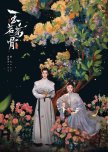
Visually, the drama is stunning. The Ming Dynasty aesthetic is breathtaking. The costumes are intricate and elegant. The cinematography elevates the political tension beautifully. The OST adds emotional depth, and knowing Hao Minghao contributed vocally makes it even better. I also loved the tea merchant theme and the reflective advice at the end of episodes — it gave the drama a unique identity.
Overall, Glory reminded me a lot of The Double in the feeling it leaves you with — that same intensity, that same feminine dominance, that same layered political chessboard energy. But I can’t help thinking that if the final arc had been tighter, if the villains had truly gotten what they deserved, and if the main couple had operated as true partners instead of constantly testing each other, it would have shined even brighter.
It’s not flawless.
But it’s bold. It’s layered. It’s unapologetic.
The drama opens strong with the Rong family premise — marriage politics, power positioning, sisters competing within the same suffocating system. It feels like everything is building toward that core idea: the Rong women navigating survival and ambition through marriage alliances. That foundation is compelling.
But somewhere in the final stretch, the focus shifts. I really expected a full-circle moment — a wedding, a reunion, some emotional payoff tied back to how it all began. The way the show set itself up made it feel like that closure was coming. It never quite landed, and that missing resolution is noticeable.
What keeps the drama gripping, though, is how layered it is. The story keeps expanding. Every twist leads to another revelation. It feels like a pot constantly boiling — always on the edge of spilling over. It never shrinks into something small or predictable.
Now the female lead. This was my first time watching Gulnazar, and she was magnetic. Cold, calculating, proud, strategic — never apologetic for her ambition. She isn’t written to be morally pure, and she never becomes that. Even toward the end, she’s still scheming, still withholding, still choosing control over vulnerability.
That’s her strength — but also her flaw.
Her biggest weakness isn’t arrogance. It’s trust. She refuses to fully collaborate, especially with the male lead. She hides plans, pushes him away “for his own good,” and insists on carrying everything alone. I love powerful female leads, but strength doesn’t have to mean isolation. If she had allowed true partnership, the emotional payoff would have been stronger.
Now Hao Minghao… I did not expect this to be the drama where I fall for him like this. He balanced softness and intelligence so well. Playful yet perceptive. Vulnerable yet strategic. His lighter moments — pretending to be sick, teasing her — added warmth to an otherwise cold political world.
But in the final arc, I felt like his character softened too much. He became more reactive than steady. I wanted him to remain unwavering instead of constantly running back when she pushed him away. Their relationship survives largely because he keeps choosing her, even when she keeps testing him.
The chemistry between them? Intense. Tense. Controlled on the surface, burning underneath. It’s not built on easy trust — it’s built on pride, ego, and emotional restraint. I just wish we had seen more teamwork between them. If they had truly collaborated and fought side by side, the result would’ve been even more powerful.
And honestly? This drama is filled with vile people.
There isn’t a single fully clean character. Everyone is scheming. Everyone is morally compromised. The Rong sisters’ dynamic is brutal — I’ve rarely seen sibling hostility written with that much sharpness. Some of the sisters, and several so-called “gray” characters, received endings that felt too forgiving or too comfortable. I didn’t want to see certain people walk away peacefully. After everything they did, some deserved harsher consequences. The lack of satisfying retribution made parts of the ending feel incomplete.
The grandmother, especially, was deeply frustrating. Not the loudest villain — but perhaps the most damaging. The kind of character who believes she’s preserving the family while quietly destroying it. That stubborn righteousness was more infuriating than open cruelty.
Bai Ying (the scholar) was one of the most satisfying characters to watch. And Yan’s twist was genuinely well done — I suspected him the entire time, which made the reveal even more rewarding.
Visually, the drama is stunning. The Ming Dynasty aesthetic is breathtaking. The costumes are intricate and elegant. The cinematography elevates the political tension beautifully. The OST adds emotional depth, and knowing Hao Minghao contributed vocally makes it even better. I also loved the tea merchant theme and the reflective advice at the end of episodes — it gave the drama a unique identity.
Overall, Glory reminded me a lot of The Double in the feeling it leaves you with — that same intensity, that same feminine dominance, that same layered political chessboard energy. But I can’t help thinking that if the final arc had been tighter, if the villains had truly gotten what they deserved, and if the main couple had operated as true partners instead of constantly testing each other, it would have shined even brighter.
It’s not flawless.
But it’s bold. It’s layered. It’s unapologetic.
Was this review helpful to you?


