


 2
2 1
1 1
1

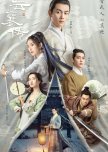
是, 也不是 — Yes. And Also No.
Revisited ahead of Season 2 (TBA).
Historical dramas have an interesting way of introducing geniuses.
Usually, they hand someone a fan, an incurable illness, and a room full of people who mysteriously become less intelligent whenever the protagonist starts talking.
The Ingenious One does something more interesting.
It gives Yun Xiang a reputation for brilliance...
and then repeatedly puts him in situations where brilliance isn't enough.
Comparisons to Mei Changsu are inevitable. Both are physically vulnerable strategists surrounded by people far better equipped to survive an actual sword fight. But Mei Changsu feels like a chess player executing a game whose board he already understands.
Yun Xiang feels more like a gambler.
He arrives in Nandu with fragments of the truth, few allies and nowhere near enough information. He bluffs. He calculates. He miscalculates. Sometimes he wins because he understands the other player.
Sometimes he survives because he realizes quickly enough that he didn't.
"Shi, ye bu shi."
Yes.
And also no.
No phrase captures The Ingenious One better.
Yun Xiang is ingenious.
And also not.
He is righteous.
And also very capable of behaving like the villain in someone else's story.
He manipulates allies, withholds information and treats trust as something to be strategically deployed. His schemes can be genuinely clever. They can also leave an impressive amount of collateral damage for a man who will later have to explain himself to the people standing in it.
That's what makes him interesting.
The drama lets him be wrong. More importantly, it lets the people around him matter for reasons that have nothing to do with recognizing his genius.
I also enjoyed how practical this world feels. Power requires money. Banks, ports, trade and merchants aren't decorative background details; they're part of how influence is actually built.
Apparently even revenge needs working capital.
Visually, the drama understands restraint too. The muted palette, lived-in locations and natural lighting give its jianghu a physical presence, while the fights are fast and refreshingly uninterested in turning every sword swing into a slow-motion spiritual experience.
Yun Xiang may be considerably better at running from a fight than winning one, but fortunately the people around him are more than capable of handling that department.
But the most interesting thing he inherits from Yuntai isn't the ability to scheme.
It's a worldview.
Everyone is a pawn. Attachment creates weakness.
Emotion compromises judgment.
Efficient.
Elegant.
Slight problem: people.
Because people have the deeply inconvenient habit of developing loyalties, changing their minds and refusing to behave according to the role assigned to them.
Yun Xiang included.
The more attached he becomes, the harder it is to maintain the emotional distance his training demands. I don't think the drama is arguing that love magically makes him better. It makes him less certain. Less efficient. More vulnerable.
More human.
Shu Yanan matters because she is someone he cannot comfortably classify. She can stand beside him rather than behind him, remains difficult to fully understand, and disrupts the neat division between ally, liability and love interest.
I liked their chemistry.
I was less convinced by how much space the romance occasionally demanded.
The relationship belongs in the story; the timing of some of its detours doesn't. Just as the larger conspiracy begins gathering momentum, the drama sometimes pauses to remind us that Yun Xiang is suffering romantically too.
Noted.
Can we return to the conspiracy now?
Fortunately, the supporting cast is often where the drama is at its best.
Jin Biao looks like a man you should probably avoid in a dark alley. Naturally, he becomes one of the biggest hearts in the drama.
Mo Bufan loves money. Possibly too much.
Unfortunately for him, he also loves people.
Kang Qiao makes sure that becomes painful.
Su Mingyu starts as a sheltered rich kid and is eventually introduced to consequences.
Ke Menglan, meanwhile, is allowed the rare privilege of being a love interest with an actual function in the plot.
And then Liu Gongquan arrives.
Suddenly the game gets considerably more interesting.
Yun Xiang may be the ingenious one in the title.
Thankfully, the drama remembers to give everyone else a brain too.
The characters, at least.
The plotting occasionally has other ideas.
The mystery of a mastermind is often more impressive than the logistics of one.
Once decades of conspiracy have to be explained, some of the brilliance starts looking considerably more ordinary. Questions remain unanswered, certain character histories feel underdeveloped, and some schemes work better as dramatic ideas than as things that survive close examination.
The ending isn't bad. It simply isn't as satisfying as the uncertainty that preceded it.
And yet, for all the places where the plot lost me, the characters never quite did.
I cared.
Their friendships mattered.
Their loyalties mattered.
Their losses mattered.
Somewhere between the schemes that worked, the schemes that didn't, and the people Yun Xiang was never supposed to care about, the drama made me care too.
And that's why 是, 也不是 fits the drama so well.
Is The Ingenious One as ingenious as its title suggests?
Yes.
And also no.
Its flaws are obvious. The plotting is uneven, the romance occasionally disrupts the momentum, and the final conspiracy doesn't entirely live up to its buildup.
But dramas aren't spreadsheets.
Fortunately.
I would still rather watch an imperfect drama that gives me characters worth caring about than a perfectly assembled puzzle that leaves me feeling nothing.
Yun Xiang doesn't always have the answer.
Sometimes the drama doesn't either.
And somehow, I was still invested enough to keep asking the questions.
Historical dramas have an interesting way of introducing geniuses.
Usually, they hand someone a fan, an incurable illness, and a room full of people who mysteriously become less intelligent whenever the protagonist starts talking.
The Ingenious One does something more interesting.
It gives Yun Xiang a reputation for brilliance...
and then repeatedly puts him in situations where brilliance isn't enough.
Comparisons to Mei Changsu are inevitable. Both are physically vulnerable strategists surrounded by people far better equipped to survive an actual sword fight. But Mei Changsu feels like a chess player executing a game whose board he already understands.
Yun Xiang feels more like a gambler.
He arrives in Nandu with fragments of the truth, few allies and nowhere near enough information. He bluffs. He calculates. He miscalculates. Sometimes he wins because he understands the other player.
Sometimes he survives because he realizes quickly enough that he didn't.
"Shi, ye bu shi."
Yes.
And also no.
No phrase captures The Ingenious One better.
Yun Xiang is ingenious.
And also not.
He is righteous.
And also very capable of behaving like the villain in someone else's story.
He manipulates allies, withholds information and treats trust as something to be strategically deployed. His schemes can be genuinely clever. They can also leave an impressive amount of collateral damage for a man who will later have to explain himself to the people standing in it.
That's what makes him interesting.
The drama lets him be wrong. More importantly, it lets the people around him matter for reasons that have nothing to do with recognizing his genius.
I also enjoyed how practical this world feels. Power requires money. Banks, ports, trade and merchants aren't decorative background details; they're part of how influence is actually built.
Apparently even revenge needs working capital.
Visually, the drama understands restraint too. The muted palette, lived-in locations and natural lighting give its jianghu a physical presence, while the fights are fast and refreshingly uninterested in turning every sword swing into a slow-motion spiritual experience.
Yun Xiang may be considerably better at running from a fight than winning one, but fortunately the people around him are more than capable of handling that department.
But the most interesting thing he inherits from Yuntai isn't the ability to scheme.
It's a worldview.
Everyone is a pawn. Attachment creates weakness.
Emotion compromises judgment.
Efficient.
Elegant.
Slight problem: people.
Because people have the deeply inconvenient habit of developing loyalties, changing their minds and refusing to behave according to the role assigned to them.
Yun Xiang included.
The more attached he becomes, the harder it is to maintain the emotional distance his training demands. I don't think the drama is arguing that love magically makes him better. It makes him less certain. Less efficient. More vulnerable.
More human.
Shu Yanan matters because she is someone he cannot comfortably classify. She can stand beside him rather than behind him, remains difficult to fully understand, and disrupts the neat division between ally, liability and love interest.
I liked their chemistry.
I was less convinced by how much space the romance occasionally demanded.
The relationship belongs in the story; the timing of some of its detours doesn't. Just as the larger conspiracy begins gathering momentum, the drama sometimes pauses to remind us that Yun Xiang is suffering romantically too.
Noted.
Can we return to the conspiracy now?
Fortunately, the supporting cast is often where the drama is at its best.
Jin Biao looks like a man you should probably avoid in a dark alley. Naturally, he becomes one of the biggest hearts in the drama.
Mo Bufan loves money. Possibly too much.
Unfortunately for him, he also loves people.
Kang Qiao makes sure that becomes painful.
Su Mingyu starts as a sheltered rich kid and is eventually introduced to consequences.
Ke Menglan, meanwhile, is allowed the rare privilege of being a love interest with an actual function in the plot.
And then Liu Gongquan arrives.
Suddenly the game gets considerably more interesting.
Yun Xiang may be the ingenious one in the title.
Thankfully, the drama remembers to give everyone else a brain too.
The characters, at least.
The plotting occasionally has other ideas.
The mystery of a mastermind is often more impressive than the logistics of one.
Once decades of conspiracy have to be explained, some of the brilliance starts looking considerably more ordinary. Questions remain unanswered, certain character histories feel underdeveloped, and some schemes work better as dramatic ideas than as things that survive close examination.
The ending isn't bad. It simply isn't as satisfying as the uncertainty that preceded it.
And yet, for all the places where the plot lost me, the characters never quite did.
I cared.
Their friendships mattered.
Their loyalties mattered.
Their losses mattered.
Somewhere between the schemes that worked, the schemes that didn't, and the people Yun Xiang was never supposed to care about, the drama made me care too.
And that's why 是, 也不是 fits the drama so well.
Is The Ingenious One as ingenious as its title suggests?
Yes.
And also no.
Its flaws are obvious. The plotting is uneven, the romance occasionally disrupts the momentum, and the final conspiracy doesn't entirely live up to its buildup.
But dramas aren't spreadsheets.
Fortunately.
I would still rather watch an imperfect drama that gives me characters worth caring about than a perfectly assembled puzzle that leaves me feeling nothing.
Yun Xiang doesn't always have the answer.
Sometimes the drama doesn't either.
And somehow, I was still invested enough to keep asking the questions.
Was this review helpful to you?


