

 1
1


When Love Teaches a Devil to Hesitate
This is not a perfect drama—but it is an unforgettable one.
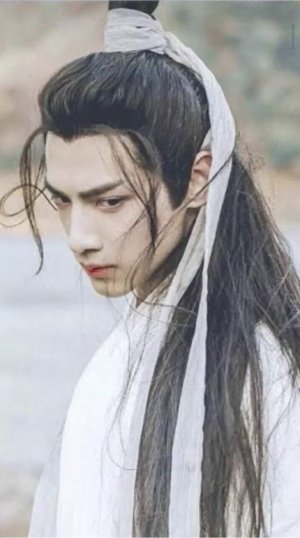
Till the End of the Moon lives and dies on one central achievement: the transformation of Tantai Jin. What makes his arc powerful is not that he becomes “good,” but that he begins to hesitate. Those tiny moments—when cruelty pauses, when instinct conflicts with something unfamiliar, carry more emotional weight than any grand declaration.
Luo Yunxi delivers one of the most layered performances I’ve seen in a C-drama. The shifts are often subtle: restraint in the eyes, a flicker of confusion, a controlled unraveling. It’s not loud acting—it’s precise, and it lands.
Bai Lu matches him in emotional complexity. Li Susu’s conflict—loving the very person she was sent to destroy—is where the story finds its core tension. The drama doesn’t take the easy route of simplifying that conflict, and that’s where it succeeds.
That said, the structure is uneven. The pacing fluctuates, particularly in later arcs, and some transitions feel rushed where they should have been earned. The mythology is ambitious but not always cleanly executed.
But here’s the thing: this drama is not remembered for its structure, it’s remembered for its emotional impact.
It’s tragic, heavy, and often uncomfortable, but it earns those feelings.
Not flawless. But unforgettable.
Till the End of the Moon lives and dies on one central achievement: the transformation of Tantai Jin. What makes his arc powerful is not that he becomes “good,” but that he begins to hesitate. Those tiny moments—when cruelty pauses, when instinct conflicts with something unfamiliar, carry more emotional weight than any grand declaration.
Luo Yunxi delivers one of the most layered performances I’ve seen in a C-drama. The shifts are often subtle: restraint in the eyes, a flicker of confusion, a controlled unraveling. It’s not loud acting—it’s precise, and it lands.
Bai Lu matches him in emotional complexity. Li Susu’s conflict—loving the very person she was sent to destroy—is where the story finds its core tension. The drama doesn’t take the easy route of simplifying that conflict, and that’s where it succeeds.
That said, the structure is uneven. The pacing fluctuates, particularly in later arcs, and some transitions feel rushed where they should have been earned. The mythology is ambitious but not always cleanly executed.
But here’s the thing: this drama is not remembered for its structure, it’s remembered for its emotional impact.
It’s tragic, heavy, and often uncomfortable, but it earns those feelings.
Not flawless. But unforgettable.
Was this review helpful to you?


