

 1
1


This review may contain spoilers
Some truly amazing arcs and some disappointing ones
Fate Chooses You surprised me because for a large portion of the drama, I genuinely thought it had the potential to rank among my favorites. The first half in particular is extremely strong: layered ideological conflict, meaningful questions about the value of human life, class hierarchy between immortals and mortals, exploitation disguised as benevolence, and the downstream consequences of power. The show is at its best when it focuses on morality, sacrifice, institutional corruption, and the cost of “ascension.”
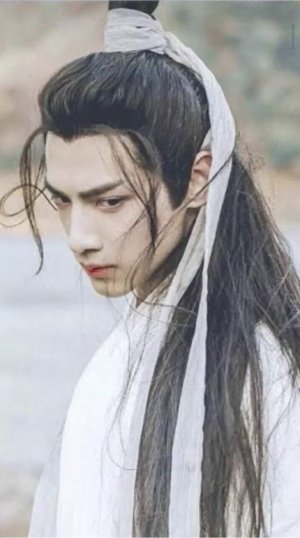
The strongest arc in the drama by far is Bai Zong Ying (Tianyun Sect, Heavenly Talent). From the very beginning, he listens, questions, processes, and grows. His development never feels forced or performative; it is slow, painful, believable character growth. Even after losing his immortal perception, his moral center remains intact. The payoff to the September 9 prophecy was one of the best parts of the entire series and emotionally devastating in the best possible way. Bai Zong Ying became the emotional heart of the show for me.
I also appreciated that the drama did not try to pair every character romantically. Some of the strongest relationships were platonic: Bai Zong Ying and Jiang Ji, Rust Iron Sword and Lin Muhan, Chu Ying’s loyalty to Lu, etc. Rust Iron Sword especially added levity without being reduced to comic relief. He remained emotionally relevant throughout the story and as a mortal martial artist among immortals, that’s huge.
The ideological side of the drama remained compelling almost all the way through. The Society, the immortality tax, the exploitation of mortals, the refinement of immortal perception into medicine, the rebuilding of the heavenly ladder, and the eventual rejection of immortality supremacy were all genuinely interesting concepts. The world-building and thematic structure carried this drama hard.
Unfortunately, the romance was the weakest part of the show for me by a very large margin.
I never believed Mei and Lu as a romantic couple. As allies and fighters, they worked. As a romance, they felt emotionally flat and strangely immature compared to the rest of the drama. The writing repeatedly shifted into “cute” romance beats that felt completely disconnected from the heavier philosophical material surrounding them. The performances did not help. The emotional intimacy never developed naturally, so when the show suddenly tried to present romantic payoff moments, they felt unearned.
The infamous shadow kiss scene perfectly represents the problem. The scene itself was confusing because nothing in the interaction leading up to it suggested emotional or romantic escalation. Then suddenly the camera cuts outside to silhouettes. Instead of emotional payoff, the moment pulled me completely out of the drama. The issue was not “lack of kissing.” Some of my favorite dramas barely have physical intimacy at all. The issue was lack of believable emotional build-up and lack of physical ease or relational intimacy between the leads throughout the series.
Ironically, the romance worked best in the final episodes once Lu lost his memories because the emotional weight shifted away from “look how cute they are together” and toward grief, loss, memory, and continuation after irreversible change.
Episodes 39 and 40 also suffered from excessive flashbacks. I honestly think the final two episodes could have been condensed into one. Episode 38 felt like the true climax and would have worked as a bold ending on its own.
That said, I respect the finale for not undoing the consequences of the story. The drama did NOT magically restore memories, resurrect everyone, or erase the cost of what happened. Bai Zong Ying’s sacrifice remained meaningful. Lu’s memory loss remained permanent. The world moved forward changed but scarred. I appreciated that restraint.
Overall, this is a drama with genuinely excellent themes, a fantastic Bai Zong Ying arc, strong moral and ideological writing, and several memorable supporting relationships but also a central romance that never emotionally landed for me despite being framed as the core emotional thread.
I still think it is worth watching, especially for viewers who enjoy xianxia with philosophical and institutional themes rather than purely romance-driven storytelling.
The strongest arc in the drama by far is Bai Zong Ying (Tianyun Sect, Heavenly Talent). From the very beginning, he listens, questions, processes, and grows. His development never feels forced or performative; it is slow, painful, believable character growth. Even after losing his immortal perception, his moral center remains intact. The payoff to the September 9 prophecy was one of the best parts of the entire series and emotionally devastating in the best possible way. Bai Zong Ying became the emotional heart of the show for me.
I also appreciated that the drama did not try to pair every character romantically. Some of the strongest relationships were platonic: Bai Zong Ying and Jiang Ji, Rust Iron Sword and Lin Muhan, Chu Ying’s loyalty to Lu, etc. Rust Iron Sword especially added levity without being reduced to comic relief. He remained emotionally relevant throughout the story and as a mortal martial artist among immortals, that’s huge.
The ideological side of the drama remained compelling almost all the way through. The Society, the immortality tax, the exploitation of mortals, the refinement of immortal perception into medicine, the rebuilding of the heavenly ladder, and the eventual rejection of immortality supremacy were all genuinely interesting concepts. The world-building and thematic structure carried this drama hard.
Unfortunately, the romance was the weakest part of the show for me by a very large margin.
I never believed Mei and Lu as a romantic couple. As allies and fighters, they worked. As a romance, they felt emotionally flat and strangely immature compared to the rest of the drama. The writing repeatedly shifted into “cute” romance beats that felt completely disconnected from the heavier philosophical material surrounding them. The performances did not help. The emotional intimacy never developed naturally, so when the show suddenly tried to present romantic payoff moments, they felt unearned.
The infamous shadow kiss scene perfectly represents the problem. The scene itself was confusing because nothing in the interaction leading up to it suggested emotional or romantic escalation. Then suddenly the camera cuts outside to silhouettes. Instead of emotional payoff, the moment pulled me completely out of the drama. The issue was not “lack of kissing.” Some of my favorite dramas barely have physical intimacy at all. The issue was lack of believable emotional build-up and lack of physical ease or relational intimacy between the leads throughout the series.
Ironically, the romance worked best in the final episodes once Lu lost his memories because the emotional weight shifted away from “look how cute they are together” and toward grief, loss, memory, and continuation after irreversible change.
Episodes 39 and 40 also suffered from excessive flashbacks. I honestly think the final two episodes could have been condensed into one. Episode 38 felt like the true climax and would have worked as a bold ending on its own.
That said, I respect the finale for not undoing the consequences of the story. The drama did NOT magically restore memories, resurrect everyone, or erase the cost of what happened. Bai Zong Ying’s sacrifice remained meaningful. Lu’s memory loss remained permanent. The world moved forward changed but scarred. I appreciated that restraint.
Overall, this is a drama with genuinely excellent themes, a fantastic Bai Zong Ying arc, strong moral and ideological writing, and several memorable supporting relationships but also a central romance that never emotionally landed for me despite being framed as the core emotional thread.
I still think it is worth watching, especially for viewers who enjoy xianxia with philosophical and institutional themes rather than purely romance-driven storytelling.
Was this review helpful to you?


