

 3
3 7
7 2
2 1
1 1
1 1
1 1
1 1
1 1
1 1
1


It was a wild ride alright.
***
Two days and twenty five minutes later - I remembered a particularly daft scene of a man spanking a fish (literally) and laughed so hard I had to get myself up out of bed to pee so I am very glad I watched this nonsense even if I have no idea how much was parody and how much was a genre with self-parody built in.
***
Trying to work out both plot and intent helped keep me engaged throughout, but its entertainment value was high regardless. I will be watching again, probably on a dark winter night when I need some laughs <3
Was this review helpful to you?
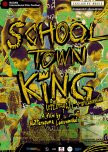
young dreams in crowded Klong Toey
Local, personal and real. Well-crafted documentary about life, school and young dreams in Klong Toey, where life is crowded by densely packed neighbours and the very narrow priorities of the education system the young rappers collide against, especially 18 year old Book.The film-making is simple in style but clear and focused, making space for them and giving us time to understand them, or what they understand of themselves.
Very much worth seeking out.
To help that, Director Wattanapume Laisuwanchai has made a public appeal to get School Town King added to Netflix. More information and a link to request the film are in this article.
www.bkmagazine.com/entertainment/director-klong-toey-rap-documentary-wants-your-help-to-get-it-netflix/
If anyone knows how Book and Non are faring now, would you kindly let me know. Thanks. Wishing them well.
Was this review helpful to you?

gentle melodrama
Watched en route to adding it to the database, with only an autotranslation of autogenerated Thai subtitles. It's gentle melodrama though, with a simple story told somewhat unconventionally, so it was easy to go on vibes, recognised phrases and words from the autotranslation. Then I found a summary (in Thai) which filled in the rest - I got most of it.The movie shifts tone, feel and focus as it progresses, reflecting (I think) the movie-making of the period each part was set in. Perhaps even to the extent of using vintage equipment. It begins with a father's love for his green vintage Vespa, then his daughter, a misunderstanding and argument, a boy who's like his son and a promise. There's a long road trip, a moving conclusion, and then a silly one, like an outtake added on. Chiang Khan in Isaan Province and several places in the Northern region feature, including Thailand's "Mt Fuji." The ever-present and much loved scooter ties it all together.
If you love Thai film-making or are just interested in seeing more of the northern province and the north of Isaan, this is worth seeking out. Look for it under Rak Kham Khan. The 'official' English title will only get you to a trailer - and don't read the synopsis under the trailer because spoilers. This gentle melodrama is perhaps a bit too Thai to have gotten whatever international attention its makers may have hoped for. And for some of us, that's its appeal.
Was this review helpful to you?

Shinmai Kisha Torokko: Watashi ga Yaraneba Dare ga Yaru!
1 people found this review helpful
shifting comedy
I'm still trying to work out how to describe this. It begins as a coming of age centred around high school problems taken very seriously by those involved in them. Too seriously as it shifts into stylised exaggeration (let's call it 'dry melodrama'), a bit tongue in cheek. Before it ends there's overtly comedic exaggeration countered by earnest high school students up against all odds.A lot is told rather than shown, it feels like a close adaptation of a novel. The acting suits the moods of the various strands, creating an engaging mix of flavours. It will help if you're willing to just go with the flow as it shifts. I wasn't sure at the beginning but by the end I really enjoyed it.
Was this review helpful to you?
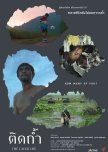
no talking heads, just people
Four documentaries which flow into each other look at rural life and social issues in the Nang Non river area of Chiang Rai. Each section focuses on the daily life and concerns of an individual. It's not about the 2018 cave rescue, although that is part of the background.As such it's slice of life. There are no talking heads, just people. Some of the conversations between them are probably somewhat staged, others probably not.
I went in not knowing anything about it so it took a while to understand the format. I found it interesting and absorbing in its own quiet way. It's not the kind of documentary where you come away with a list of facts or details. It's more like I spent some time with people I would never meet otherwise and I'm glad I did.
The title is available to stream internationally on Thai PBS with English subtitles baked in. So no CC button like we're used to looking for. Fortunately I was looking for info to add it to the database so I hit play....
(That breakdown of ratings really doesn't work for this, so I just used my overall 7 for the parts as well.)
Was this review helpful to you?
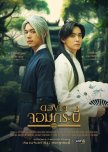
fairytale
one31 fantasy lakorns like this have a charm of their own. They may throw in plenty of nonsense along the way, but they're good fun. In those I've seen, the more nonsense, the more they can commit to it, and the more they commit to it, the better it all works. Personally, I would have liked them to embrace that more fully here.(And I sincerely hope there's a katoey comedy movie with a sassy fan-waving martial artist, the fun they could have =D =D =D Pingpong camping it up with a fan and AtTiTude, Pompam as a swordmaster afraid of sharp, dangerous, pointy things. Jennie Panhan as magnificent sorceress and head of the guild. With lots of sword jokes.)
And of course the key for a successful lakorn is how well it handles the emotions of its plots. Again, I would have liked more there for most of the lakorn, especially in the primary romantic arc. Add in a very villainous modern-world villain with a plot line full of cliches and for a lot of this, I rated it a middling one31 fantasy lakorn with some good moments. I like the sub-genre though, and it was easy enough to set aside critiques and just go along for the ride.
There were winks along the way, like the amusing integration of a product placement inhaler and one character reminding another that the imagined novel within the story is just entertainment and not to be taken seriously. They have to, but if you insist on taking this lakorn seriously, you'll just upset yourself. If you get something from that though, go for it.
But if you're happy to give some time to the nonsense of this fairytale, it's fun. It's an easy watch with short episodes and a lot of energy as it merrily speeds over every plot hole.
The male leads are green flags. The gently stern gravitas with a wink Bright brings to Wang Yitian works well, though the female lead roles are mostly written and acted with the flighty manner of rom coms. It wouldn't have taken much for the director to add some depth earlier through changes there.
In the last two episodes though, it commits more fully to its premise and finds more depth in its emotions. So maybe it's better than middling after all. I enjoyed it.
Was this review helpful to you?
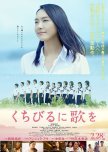
everything serves a purpose
Perhaps this is less a youth film and more for those who are older and have been broken by life. Will leave it to young people to decide how well it works for them.Its symbolism is well-integrated - the sound of the foghorn, signalling departure but also moving forward, and its corresponding note on the piano. Where each of the main characters tends to go - Nazuna seeking out high places like the school roof, Satoru walking home with his brother, Kashiwagi lost in grief along the low shore. Voices silenced by self or others, or death, and what comes from being heard. Or someone saying those lost words. Everything in this film serves a purpose.
Yes, the concentration of situations they're in tend towards melodramatic, but each of them alone is realistic and there is plenty of balance in small details of daily life for the students. And yes, the timing is convenient. That does tend to happen in films. It's all serving the larger purpose. The key to good melodrama is always in the emotions, are they realistic and accurate for the situation. In that, in the tender vulnerability of the children, in Aragaki's understated portrayal of grief, the importance of being heard as one's authentic self, in the power of connection to make life just a bit easier, this beautiful, gentle, hopeful film rings true.
Was this review helpful to you?
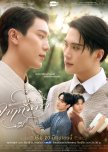
mellow drama
A field of fluffy fairy floss and a historical lakorn of dubious accuracy took a walk in a river of chamomile tea and had a brood of handsome gay babies. This is their story.Overall it's light fare, though it does have substance layered in. The villain is a lakorn trope, but rendered as a petulant child with outdated attitudes. It does the historical lakorn thing of using the past to dramatise and pour emotion into the need for current social change, with the younger ones leading the way out of homophobia and class inequality. The narrative pairing of those together, and how one allows certain characters to find empathy for the other, was a strength. And the matriarch's final scene.
I'm not keen on gentle-washing the past but recognise that here it's in service to the present, with crystal clear calls for equality and acceptance which need to be repeated and told in every way possible. The creators chose to make this a calm quiet sugar-spun fairy tale. As such, they and the actors did well.
Was this review helpful to you?
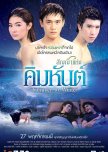
Be careful not to spoil yourself, just watch - lovely coming of age
Be careful about reading too much on the MDL page and go in knowing as little as you can. Do NOT look at the tags and be careful with the reviews and comments. I'll try to be vague enough here.The story at the heart of this is worth overlooking the disjointed writing and editing around it. My ratings are all for that, it's what I'll remember. Scenery is gorgeous (Turtle Island, off the shore of Surat Thani), the leads work well together, the central story is simple but heartfelt.
And yes, a few moments are missing/need to be filled in, while other bits are out of place with the rest. But that central story of the two young ones is lovely enough I don't care. If it were possible to give pixels a hug, I'd give this novice film one.
If you can find it (try GagaOOLala), just give it a go and watch it with your heart.
Was this review helpful to you?
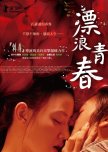
This review may contain spoilers
Slice of life across times
The "spoilers" in this review are more along the lines of themes than specifics. The synopsis is bare bones and confusing enough I thought it might be useful to add a bit more. I gave it the tag just to be careful.The first segment is perhaps both the most poetic and also the closest to a conventional narrative. Its three characters are well balanced - it's not "about" any one of them but about each and the interwoven situations they're in, with social pressures on someone who is both blind and lesbian, along with sisters who only have each other, and what happens when one of them has someone else as well. I loved the delicate French chanson in Mandarin feel of the music too. (If it's in another language, please let me know and I'll correct this.)
The second segment, about a different sort of love, asks for empathy and maturity from its viewers, and the third circles round to show us Diego (from the 1st) and Lily (from the 2nd) when they were younger. The 3rd brings in family sexism and pressure to be a girl in socially accepted ways.
Some might say I'm reading things into it, but the feel and format are such that it's the kind of film which invites a viewer to make other connections as well, like valuing your own life and yourself for who you are.
Was this review helpful to you?
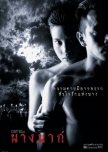
National treasure of a tragic love story
The (incomplete) list of related titles will give you an idea of how popular the legend of Mae Nak, which has its roots in the 1800s, is amongst Thais. This version - the 1999 film with Inthira Charoenpura and Winai Kraibutr - has the clearest explanation of the story I've seen. If you're only going to watch one, this is the one to choose. If you're inclined to watch more, it's the best to begin with. Even one which stands alone as well as Pee Mak has additional layers if you know Nang Nak. For other subsequent adaptations, it really does help to have this as reference so you understand how each one finds its own way to move our emotions.And as a film, it's well done. Moody, atmospheric, but also balanced with light and warmth. Some excellent cinematography (like the way the film-maker used light, shadow and Kraibutr's musculature), just enough horror, and of course the love story at its heart. If you don't know the story, just watch it and get caught up in the suspense.
I've seen this four times now. When I began seeking out all the Nang Nak/Mae Naks as I could find, it was out of interest in the different ways film-makers find to tell stories. What I've come away with, six different movies in, is how much love Thais have for the story, and this version in particular. Is it perfect? No. But that's not what matters. It's Nang Nak.
Was this review helpful to you?
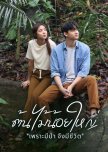
Simple, calm, lovely
There isn't much story to this. A young woman who's been working in Bangkok returns to her mother's house in the (I think) lower northern/central plains. Two friends come to visit her and they all learn to appreciate the forest. A bit of local/regional history is sprinkled in too. It's about a simpler, calmer way of life.It's a pleasant way to spend 50 minutes with peaceful scenery, kind people and low stakes earnestness. I really liked FL Tangtang in From Chao Phraya to Irawadee and it was good to see her again in this.
To say more would spoil some things. I do recommend this, especially if you like the Thai PBS way with their short specials.
Was this review helpful to you?
This review may contain spoilers
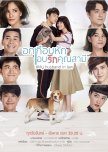
Romanticising abusive behaviours
As a lakorn, this was alright. Not great, and they got lazy with several things like the gay and lesbian side stories and a late ungrounded reveal about the ML. And just no on using ridiculous straight boy fears of gay men hitting on them as a recurring punch line.The problem, which many won't care about because it's all so normalised, is the type of rom com they crashed into it. The kind where abusive behaviours in the ML are magically transformed into happily ever after by the FL's enduring love.
Most viewers will just see this as adding drama and excitement, making his transformation all the more neuro-chemically rewarding for them. Many will dismiss it as "just fiction" or cite the mantra that they know the difference between it and reality, as if everything bouncing around in our brains stayed neatly in its assigned box. Our subconscious minds don't really work that way. Stories are powerful and we are narrative beings.
So when writers and directors make stories which parallel the kinds of things women (and sometimes men) in abusive relationships tell themselves - he'll change, he's doing this because he loves me, it will get better if ... - which keep them locked in the relationship, turning them into romanticised tropes, these stories cumulatively reinforce and normalise them. It's already hard enough to break free from an abusive relationship as it is. If you don't understand this, count your blessings.
SPOILERS AHEAD
The writers here had to have known what they were doing too, what with the density of controlling, manipulative and coercive behaviours they piled onto the ML (restricting her movements, contact with friends and internet, stalking her - getting into her house, love bombing her when she's finally gotten free as just a few of the egregious red flags) and the overtly, impossible to miss abuse from Phondech to Yada. How close they walked to rape before backing it away. He still forced alcohol on her to get her drunk, after she resisted in both actions and words, because he saw it as a way to get something he wanted.
There were times I wondered if they were subverting these tropes, which is what kept me watching longer than I should have (the irony of that, maybe they'll change, eh?), especially with the gender inversions they brought in or Yada's struggle to get free from both her husband and father and live for herself. But in the end, they whole-heartedly embraced the dangerously false narrative of an abusive man changing because a woman loves him. He still has his temper though, and centred his own emotions when the woman he "loves" was trying to get her head around her life-threatening health condition, the one he chose to hide from her. Consistency in character from the writing there, but also an indication that his "change" is self-serving. But it's a happy ending because rom com.
Stories don't need this to be compelling or entertaining. They could have made something different with Mew Nittha still sparkling as delulu sunshine. Let Mark Prin start as withdrawn and grumpy if you must, but give his character a real reason for it, not one he then turns on the FL in a late episode. Crash a rom com into a lakorn and use lakorn exaggeration to really examine and challenge toxic tropes.
There is so much more they could have done, maybe seemed to be heading in the direction towards doing, and this would have been better for it. Mew's comedic talents especially deserved more.
Was this review helpful to you?
This review may contain spoilers
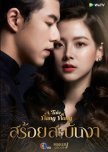
A tale of two halves
There aren't specific spoilers in this but it does talk about the entire lakorn in broad strokes. If you haven't started it or are in the early stages, keep watching and come back to this later if you want.If you've gotten stuck half way through and are trying to make sense of your reactions, this should be safe enough to read. It was well worth finishing and a couple of days off before continuing helped. I ended up loving both halves for very different reasons.
The first eight episodes are my favourite of the Channel 3 lakorns I've seen. Full of tropes but underpinned by strong statements on sexism, prejudice (Chinese against Thai, Thai against Chinese), privilege and how these affect people's lives. Excellent pacing between the happy friends and tense families. The what is age anyway casting was a bit odd, but I'm used to that and Baifern especially has the playfulness to make it work. And Nine's Tian is so kind and caring you'd forgive everything, not that there's all that much to forgive.
One of the things I've learned from watching lakorns is that the most far-fetched plot will still work if there's internal consistency around key elements and if the core emotions ring true. Getting the "why they can't be together yet" right is crucial to this.
They didn't do this in the rather abrupt shift between the halves. There was some attempt to build in internal consistency leading up to it and a wee bit after, but the emotional truth was compromised. The earlier balance was also lost and the story became mired in stress and tension for a few episodes.
The second half though is more ambitious in scope and because of that at times more awkward. It is also deeper and richer. Looking back, I can see how the first half magnifies the emotions of the second and is necessary to the overall story. I have mixed feelings about the abruptness of the shift - if they had written in greater internal emotional consistency in the first half, the experience would have been different. Not necessarily less, but different. I'm not sure I want to give up those first eight episodes as they are. So I've come round to accepting the abrupt shift while still being critical of it.
In the end, through all its movements - young love, discrimination and prejudice, the damage wealth and privilege brought to a family, it's ultimately about the dignity and strength of women.
If you're not sure about continuing, in my opinion it's certainly worth the time.
Was this review helpful to you?
One for the collectors
This is in the vein of the 1959 Mae Nak Phra Khanong, with the first half of focusing on their life together before Mak leaves for war. It's light, almost frivolous and overtly romantic.The latter half was clearly and understandably made for an audience who knows the story already and skims plot detail to centre its attention on the emotions. This made for some of the most emotionally effective scenes I've seen in a Mae/Nang Nak so far. I'll likely watch it again for that but may skip through some of the first half.
I didn't make proper review notes when I saw it (it wasn't in the database then) but my recollection is that the horror element was fairly minimal and brief but not absent. MDL's very broad use of "horror" as a genre doesn't work well with Thai movies and how they approach some of their ghost stories.
If you don't know the Mae/Nang Nak legend though, the best to start with is the 1999 Nang Nak.
Was this review helpful to you?


