

 2
2 5
5 1
1 2
2


This review may contain spoilers
It was Barely Watchable
I've been inconsistently watching Korean dramas for over 2 years now. I'm very careful to pick only the best and highly acclaimed ones to watch, and so far, I've been on a roll. I mostly dabble in romance- Crash Landing on You, Twenty-five Twenty-one, Start-up, etc., and these shows have convinced me that Koreans have mastered the art of writing romance. That is, of course, until I stumbled upon the bumbling mess that is King The Land.This show is... where to begin. For starters, I was not strong enough to complete this show. I gave up halfway through because I'd had enough of the poorly written characters and the downright atrocious plot.
I hate the female lead, probably more than I've ever hated a female lead in any show ever. Her stupidity is portrayed as cuteness. Her inability to keep her mouth shut gets on my nerves, and why, oh why, can't she walk without conveniently falling into the arms of the male lead over and over again? He's an issue on his own, but I have a bone to pick with HER. Let me give an instance: The female lead(I can't remember her name) was sent to a remote area for work. she insisted she climb the mountains to find the man she needed to talk to. while alone in the mountains, it began to rain. any sane person that finds themselves on a slopy mountain during the rain would stay put until later. but her? she went to the edge to harvest some ginseng. and like that wasn't enough, she started jumping around and rejoicing, AT THE EDGE OF A SLOPY MOUNTAIN. Of course she fell and the male lead whose name was just as forgettable came to her rescue. but why would any normal human being do something so stupid in the first place. Everything she does gets one my nerves. I hate the dumb things she says when she's drunk. I hate how she put up with her idiotic boyfriend for over a year, and conveniently had enough of him when a new romantic prospect showed up. I hate how everyone is mean for no reason but for the show to highlight how good of a person she is.
On to the male lead. What kind of character writing even was that? This dude literally has no life outside of FL. he waits for her texts, he waits for her to get off work so they can eat together, he waits for her to sleep in his car as long as she wants. Doesn't he have a job, social engagements, anything? No other associates? His character is so bland. he fits into the mold of he narcissistic, perfect rich guy that we've seen so many times before. They even try to add some depth to him with that storyline about his mother and how he hates smiling, but it was too boring to keep me engaged. "Oh, my life is so hard. I grew up in a mansion where all the maids and servants couldn't stop smiling at me. save me from my horrendous childhood". And why even does he like the FL. They have had no real, in-depth conversation, no actual connection. I guess she's just cute when she's drunk and that'll have to do. plus, he took a test online, so who am I to doubg his unfathomable love. And when he saved the FL. He acted like he was some kind of altruistic hero who valued human life above all else. He took up this self righteous posturing, but anyone with a brain would know that he only did it cos it was the FL who was in danger..He wouldnt have cared if it were any random employee. and the fact that he doesn't acknowledge this fact, and no other character points it out, is just laughable. This guy wants to have responsibilities and play a bigger role in the company, yet he has no actual laid out plans or strategies to help the company progress in any way. I guess we're just supposed to root for him in his quest for the company cos his sister is mean. don't even get me started with her overbearing pettiness. Constantly berating her brother for no good reason. At her age, shouldn't she be past that?
About the plot. Does this show even have a plot. it's just full of contrived overplayed romance tropes. This show basically took it's plot from other really terrible shows and meshed the ideas together. Incessant falling into ML's arms, defending her honor to her ex, and don't even get me started on the fact that somehow, they always manage to end up being together due to one work project or the other. Are there no other workers? Or what? cos she's the best talent everyone else should be stripped of all opportunity to shine? This show's popularity hinges on the visual appeal of the two main characters. It's sad. The fans will deny it, but it's true. Because what other explanation is there for a show like this, utterly lacking substance, in every sense of the word, to be rated 8.3. The cast is devoid of any real talent, and I wish the FL died brutally on that mountain... that'll teach her.
I don't think it's possible to enjoy a show when the leading characters are moronic, uninteresting and appalling. I've never been a fan of the "rich guy falls for poor girl" trope, because it's flat out implausible in real life. however, I've managed to enjoy it in shows like Business Proposal, probably due to the comedic element. However, there's nothing about KingtheLand that I found appealing. And oh, how I despise the female lead.😩😫
This show is brainrot at it's finest. even if I turned off my brain for a few hours, I still would be able to sit through it. Believe me, I tried.
Was this review helpful to you?
Less Plot, More Thought
Death’s Game is a show whose central message I fundamentally disagree with. From the outset, its moral framework feels shallow, heavy-handed, and more interested in preaching than in genuine exploration. That said, my biggest issue isn’t even the message itself—it’s how quickly the show abandons whatever thematic confidence it initially had in favor of spectacle and artificial stakes.The series begins with a promising psychological fantasy tone, flirting with existential ideas like fate versus free will, personal accountability, and death as an inevitability. For a brief moment, it feels introspective and willing to trust the audience to sit with uncomfortable questions. Even though I didn’t agree with what the show was trying to say, I could at least tell the writers believed in it.
Then the show introduces a villain—and everything collapses.
That single decision triggers a major tonal shift. What could have remained a character-driven, philosophical exploration suddenly becomes a crime thriller. Instead of centering the protagonist’s internal struggle, the narrative externalizes conflict. Accountability shifts outward. Reflection is replaced with reaction. The protagonist stops looking inward and starts chasing a “big bad,” flattening the very message the show initially seemed committed to.
This is especially frustrating because the strongest antagonist was already there: Death itself. Death, as an existential force, was far more compelling than any human villain could ever be. It was thematic, inevitable, and deeply unsettling. You could feel that, at some point, the writers genuinely believed in this idea. Unfortunately, they didn’t trust it to be interesting enough. They chose spectacle over substance, drama over meaning.
That lack of trust bleeds into the characters—particularly the main character. The first episode presents him as intelligent, driven, and calculating. But from there, his writing becomes wildly inconsistent. He knows he could die at any moment, yet does nothing to prevent it. He makes no real plans, avoids sensible decisions, and reduces his motivation almost entirely to money, and later, revenge. The loved ones he supposedly left behind—central to the show’s moral guilt-tripping—barely cross his mind unless he physically runs into them by chance or is reminded of the by something in his current life. It’s ironic, considering the entire premise is meant to force him to confront the consequences of his suicide.
The supporting cast is equally underwhelming, which is shocking given how stacked it is. Many capable actors give committed performances, but the writing boxes their characters into simplistic roles: selfish and greedy, or kind-hearted and doomed. We spend so much time anchored to the main character that everyone else feels narratively disposable. Even Death—the only character with real presence in the show—has so little screen time that her prominence in the marketing feels misleading.
To make matters worse, the show is suffering from a severe identity crisis. By the time it ends, it’s hard to say what Death’s Game is even trying to be. Is it action? Fantasy? Comedy? Romance? Horror? Psychological thriller? Crime drama? High school drama? Somehow, it attempts all of these within a handful of episodes, resulting in tonal whiplash rather than genre-blending. Nothing is given room to breathe.
The plot also prioritizes shock value above all else. Deaths are sudden, often illogical, and sometimes outright nonsensical. Instead of feeling tragic or meaningful, they feel engineered to surprise.
In the end, Death’s Game is all vibes and very little substance. It gestures at depth without truly engaging with its ideas, coming across as shallow and preachy rather than profound. I’ve genuinely never seen such a stacked cast wasted on such a nothingburger of a plot.
Still, credit where it’s due: the set pieces are visually impressive, and the production value is strong. Unfortunately, aesthetics can’t compensate for weak characterization and confused storytelling.
Overall, this was a lackluster experience. The show wants to be deep, but it doesn’t seem to fully understand the topics it’s tackling—and worse, it doesn’t trust its audience to sit with anything real.
Was this review helpful to you?

Barf
When I watched Memories of Alhambra, I truly thought I’d seen the very bottom of the K-drama barrel. Little did I know there were even more idiotic shows waiting to be discovered—shows like Castaway Diva. I’ll keep this review relatively short.The main plot of this show follows the rise to stardom of a crude, poorly written, poorly acted, and thoroughly unlikeable protagonist, guided by her unbelievably pathetic mentor. Obviously, there’s nothing interesting going on there. The secondary plot centers on characters hiding from a villain who has absolutely no power over them—a villain who could easily be apprehended with a single phone call to the police.
It’s already evident by the end of episode 2 that the writers have used up what little plot they had, yet they stretch the whole thing needlessly into 10 more episodes. And what a drag it is. Conflicts that could’ve been resolved within minutes end up taking months, while problems are exaggerated into something much bigger than they actually are. This just might be the worst Korean drama I’ve watched to date.
To be fair, the cinematography and music are actually good—but that only makes the rest of the show more frustrating. It’s like wrapping garbage in pretty packaging: it might look polished and sound pleasant, but it doesn’t change what’s inside.
The characters are shallow, with their motivations and decisions switching in an instant. The plot depends entirely on these characters being the dumbest, most inefficient versions of themselves—and so they are. The actors, meanwhile, are either doing too much or not enough, and they seem unbothered either way.
Clearly, the writers of this show have no basic understanding of the entertainment industry, law, human psychology, pop culture, geography, memory, survival, or even the fundamentals of storytelling. Now, these aren’t things I expect the average person to be an expert in, but when you’re writing a show that deals with such concepts, you at least owe it to your audience to do some research.
I say this in all seriousness: the writing and character work in Castaway Diva makes Hierarchy look like a masterpiece. Some people simply weren’t born to be storytellers. The writer of Castaway Diva is one of them.
Was this review helpful to you?
The Character Problem
I think the issue with hierarchy is it's characters. The idea of the plot makes for a good revenge thriller. However, it feels more like a teen high school drama than a thriller. this is probably because the protagonist has forgotten his motives five minutes after kissing the female lead. The fl is another issue. She has no personality; she's basically a robot. It's like talking to a brick wall. Her boyfriend, Rian is an obsessive, pretty boy with mommy issues. They both casually admitted during one of his flashbacks that their relationship is just a way to escape the burdensome realities of their lives, yet they somehow thought their confessions were romantic. Hera, the second female lead had a lot of potential, but her writing was shallow. She was still a bit entertaining to watch, though. I'm not done with the show yet, but it's been boring so far. Different people watch shows for different reasons: characters, plot, aesthetics, etc. Personally, it's impossible to get invested in a show that doesn't have interesting character, and these are by far one of the most boring set of characters I've come across in tv.Was this review helpful to you?
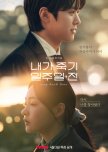
Everything I Love about Way Back Love
I’ll just get it out of the way right now—this show doesn’t operate on perfect logic. It never fully explains the grim reaper’s impact on the physical world or how he interacts with solid matter. The logic around the male lead’s visibility is a bit questionable. It’s established that people can’t see him, which makes it baffling that no one questions the very visible effects of his presence—like when he buckled her helmet before she went paragliding. Am I supposed to believe no one noticed the helmet magically fastening itself? But honestly, these inconsistencies are minor in the grand scheme of things—and the only real negatives, in my humble opinion.Way Back Love is a rare gem that blends youthful romance, emotional depth, and tasteful comedy into a moving story about healing, connection, and forgiveness. There’s so much I love about this show, but I’ll try to keep this review as brief as possible.
I adore the relationship between the leads. The way their young, innocent love is portrayed feels so pure and real. It’s the kind of connection that makes you smile without realizing, taking you back to those awkward, heart-racing moments of falling for someone for the first time. Their chemistry is just... magic.
And the OST? Absolutely beautiful. Soulful, gentle, and perfectly aligned with the mood of each scene. Every time I heard “Take my hand, I need you to stay,” I teared up. That song was heartbreakingly perfect.
What’s especially interesting is how subtly the show handles its fantasy element. The male lead being a grim reaper is a concept packed with potential, yet the show only lightly touches on it. That might frustrate viewers who came in expecting a full-fledged fantasy, but the choice feels intentional. The story prioritizes emotional journeys over supernatural world-building. In fact, the absence of detailed lore makes it hard to classify Way Back Love as traditional fantasy; it leans more toward a dark romance.
The characters are another standout. They’re grounded, layered, and genuinely compelling. The acting—especially from the female lead—is phenomenal. She brings such emotional nuance to every scene, making her character’s pain, confusion, and joy feel incredibly personal.
In most fictional love triangles, the “other person” is painted as inadequate or obviously wrong, making it easy to root for the main couple. But real life isn’t that simple. Sometimes there are two equally good, equally lovable people—and the choice isn’t clear-cut. It’s hard. Most K-dramas sidestep this by making the second lead evil, oblivious, or just plain incompatible. That’s why I really appreciated how Way Back Love flipped that narrative. The guy who was rejected wasn’t lacking—he was genuinely good and lovable. Rejecting him didn’t feel victorious; it felt wrong, maybe even cruel. But that’s the reality of life—our choices are often messy and complicated, and even the right decisions can leave someone hurting.
The screenwriters deserve a lot of credit for their masterful storytelling. The story itself is poignant, but it’s the way it’s told that truly elevates it. It’s in the way we’re shown fragmented glimpses of the past without revealing the full picture—keeping us hooked until the very end. And the payoff is worth it. It’s in the way light-hearted, comedic moments are blended with dark, emotional ones without ever feeling disjointed. It’s in the seamless transitions between past and present, done without overt cues. That level of trust in the audience—to follow along without being spoon-fed—is rare and refreshing. All of these elements come together to deliver a coherent, emotionally resonant story in the most creatively beautiful way.
What made this drama really special for me, though, is how it tackles a wide range of tragic and heavy themes with raw, unflinching honesty—something that’s honestly rare in Korean dramas. Grief, guilt, regret, forgiveness, unrequited love, rejection, mortality—the fragility of life itself—is all portrayed in a way that’s dark but deeply grounded in reality. This emotional weight seeps into the world they’ve built. Unlike most K-dramas, which lean into bright visuals and polished aesthetics, Way Back Love opts for gritty tones and subdued settings that reflect the characters’ inner struggles.
And finally, the ending—while somewhat predictable—was satisfying and heartwarming. This drama, in my eyes, easily joins the ranks of greats like Crash Landing on You and 2521. Yes, it was that good. Way Back Love is a touching, smartly written series that offers more than just a tragic love story. It’s a tale of emotional recovery, youthful innocence, and meaningful relationships—backed by great acting, a soul-stirring OST, and thoughtful storytelling choices. It’s not perfect, but it came closer to perfection than any drama I’ve seen in a long time.
Was this review helpful to you?
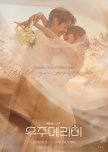
Lacking in Every Aspect
The first episode had me hooked. It was cartoonish and tropey, yet charming and lighthearted. It didn’t take itself too seriously, and, as an audience member, I didn’t either. But, like many K-dramas, it only went downhill from there. Characters became more illogical and annoying with each new episode. The plot, a bastardization of better rom-coms that came before it, was held together only by a thread of coincidences and the audience’s sheer force of will. Were there upsides to this horrific experience? Yes, a few. The comedy was actually pretty decent up until the second half, when the writers forgot this was a rom-com and started writing a murder thriller. Plus, I discovered Bae Nara, whose character is arguably the best written in the show.See, I started watching this for Jung So-min. She was great at first, but I started to notice a gradual decline in her acting. She always looked confused at times when her character was supposed to be feeling fear, anger, love, and other emotions. That really didn’t help in selling the romance. And her character, Yoo Me-ri… don’t even get me started on that moron. She was initially portrayed as brilliant, detail-oriented, morally upright, and ever ready to defend herself. But that all disappeared pretty quickly because the plot had no use for such qualities. I mean, how’s the ML supposed to save her if she can save herself?
Another issue with this is the FL’s ex. He’s toxic, abusive, and manipulative, but the show doesn’t treat it as seriously as it’s supposed to. They mostly played it up for laughs, but it was not funny at all. They never should’ve portrayed such serious subject matter in the first place if they knew they weren’t ready to go all in.
The villain plot in this is so unnecessary, but not as unnecessary as the childhood trope. Something that was meant to act as a catalyst to kickstart their romance ends up being the only reason they fell in love. There’s no substance or deep conversation—just googly eyes and fawning over each other’s looks. Yet somehow the ML is willing to sacrifice everything for her, as men normally do for women they barely know. Chemistry would’ve helped, but that’s absent too.
The secondary couple had so much potential, but poor time management caused theirrelationship to feel sidelined. They were actually one of the few good things about this show.
All these gripes, however, pale in comparison to my greatest issue with this show: coincidences. I can’t imagine where the plot would be without them. Most of the major plotlines advance because characters randomly overhear vital information from gossip or private conversations. In fact, gossip is the main method of information dissemination in this show, and side characters simply exist to gossip. Also, characters bump into each other several times a day purely out of coincidence. It makes you wonder if all the houses, workplaces, restaurants, and bars in this show are located on the same street. It’s ridiculous.
Frankly, I was only able to watch this show by turning my brain off first. It didn’t stop me from questioning all the madness, but at least it stopped me from losing my shit. The ending was mediocre slop that AI could’ve easily thrown together. Who knows—maybe AI did write this. Sure seems that way.
Was this review helpful to you?

A Beautifully Plated Mess
This isn’t a bad show, but nothing about it is great either. The most annoying thing is the undeserved hype and praise it received online, which had me going in with unrealistic expectations. I’m not quite sure what exactly I expected — I just know it didn’t deliver on any front.First of all, what exactly passes as fantasy these days? Time travel? That’s all it takes, I guess. The plot was a nonexistent mess. This wasn’t a story with food in it — it was food with a side of story. The writers must have realized this problem toward the end and tried to throw in an actual plot in the last few episodes, but by then, it felt like a betrayal of the tone.
Most of the characters are shallow and one-dimensional. The ML was the only one with any real growth. The side characters were a waste of time and space — their arcs went nowhere and added nothing to the main story. The overused trope of using childhood trauma to justify a ML’s horrendous actions was painfully on the nose here. We barely got a moment to meet his character before being hit with the unbearable tragedy he endured as a child, which the show then used to excuse his behaviour.
As for the romance, how these two fell in love is still a mystery to me. No real conversations, no shared experiences outside of a few scattered episodes. I started watching K-dramas for the romance, but lately, writers seem to have forgotten how to depict the act of falling in love on screen in any believable way. It was so forced, with no build-up — even the actors’ chemistry couldn’t save it.
The acting was fine. Lee Chaemin was good, though I don’t think he deserves any awards for this. Yoona looked like she was in it for an easy paycheck. I’d like to see her in something that actually challenges her.
The OST was pleasant but forgettable. The visuals were overwhelming — and not in a good way. The excessive editing and endless effects scenes got old after the first few times.
Without going into much detail, the last episode was genuinely awful — like hot, flaming, pile-of-garbage awful. I enjoyed this show in the same way I enjoy other average ones like Business Proposal. It wasn’t great, but at least it wasn’t King the Land bad.
Was this review helpful to you?
This review may contain spoilers
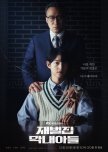
Failed it's Premise
I just finished watching Reborn Rich for the first time, and I feel like the writers thought the audience was stupid when they wrote that last episode. That's your big finish? A flip phone from the early 2000s automatically recorded a phone call, where the murderer blatantly admits to the crime and even states his own name for no reason? Some recent smartphones don't automatically record calls. And how does a man who got shot in the head survive? And why did Hyeon Woo know nothing about Dojun in his own timeline? He literally caused his death. Didn't he feel guilty? I'm supposed to root for a main character who didn't even care to find out about the identity of the man whose life he snuffed out? And why does he get no legal repercussions for concealing a murder for 20 years? Even Dojun's love interest isn't mad that Hyeon Woo left them in agony for 20 years, when he had the evidence to help get justice. I hope I never have to stumble upon a show with wriing as crappy as this ever again. A show about reincarnation that didn't even touch on the spiritual aspect of it's own premise. What utter lack of creativity.Was this review helpful to you?
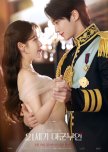
Enjoyable Yet Unsatisfying
My experience while watching Perfect Crown has been one of total, utter, and complete satisfaction. The premise was nothing even remotely original, and both the plot and characters had minor and major inconsistencies, but these shortcomings did little to derail my enjoyment of the show. However, now that I'm done watching the show and have had time to fully process everything, I see clearly and realize that several aspects of the drama left much to be desired. See, I’ve never been one to fall purely for aesthetics. Thus, it was becoming increasingly difficult for me to put my finger on what exactly was making me enjoy this show so much. And then it hit me; it’s the female lead.Seong Huiju is an extremely likeable character. She’s not a particularly compelling FL, but she’s certainly easy to fall in love with. She’s bold, charismatic, tenacious, and so funny. IU nailed her comedic scenes so well. I simply must give a shoutout to the scene of Huiju exiting the hospital after her wedding debacle. Comedy gold! Huiju, for me, is the beating heart of this show, and it simply would not be half as enjoyable if she weren’t written exactly as she is.
I found Prince Ian a far more compelling character with more understandable motivations, a more fleshed-out backstory, and just better writing in general. However, I do feel like his character is tied too much to his relationship with Huiju, and much of his character work is sidelined in favor of developing his relationship with Huiju. Now, normally this would be fine in a show where the leads were clearly meant to feel like two indivisible halves of a whole. But it doesn’t quite work in PC because the writers are clearly trying to write two individualistic characters with separate (yet parallel) motivations, so making Huiju Ian's entire world is counterproductive.
This problem is directly related to the show’s biggest failure–pacing. Boy, have I ever seen a 12 episode drama that I needed 16 episodes more. So many subplots are brushed over because of time. Things like Ian's childhood, his relationship with his brother, his relationship with his father, the psychological effects his mother's death had on him, and his relationship with his position in the royal family could have been properly developed but instead they were only lightly touched upon. And as for Huiju, her relationship with her family (specifically her father) and her relationship with her social status could have been better depicted with more time. The worst victim of this is the Prime Minister whose character got barely any development before deciding to do a complete 180° turn overnight. More high school scenes and more insight into his relationship with Ian and Huiju would have been helpful in understanding his motivations. The horrendous pacing also helped create several plot holes that were never addressed until the end. Most were never even addressed at all.
Anyways, the acting was fantastic. Bombshell performances all across the board. Byeon Woo Seok and IU devoured their comedic and emotional scenes with equally striking accuracy. BWS’s ability to convey the emotion of a thousand words through a single look in his eyes made him the perfect choice to play the lonely, distant Prince eagerly yearning for warmth, connection, and understanding. Absolutely brilliant!
The visuals were spectacular, music divine. Supporting and side characters all felt truly relevant to the story. Overall, a good and enjoyable show. I would certainly recommend it.
Was this review helpful to you?
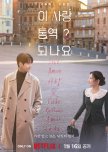
Beyond Fluff: The Quiet Depth of Can This Love Be Translated
Over the years, we’ve seen rom-coms get hijacked by murder-thriller plots, so genre-blending in romance shows is nothing new. Personally, I’m of the opinion that in a rom-com, offering only romance and comedy is simply not satisfying enough. Watching two people giggle, stare into each other’s eyes, argue, then kiss and make up over and over again for 12 episodes isn’t really how I picture myself spending my weekend.That’s why I prefer it when another drama genre—almost as present as the romance and comedy—is included. Some shows, like Crash Landing on You and Goblin, manage to strike a suitable balance and incorporate these elements in interesting ways, while others, like Would You Marry Me, are not so fortunate. The point of this lengthy prologue is to say that I think Can This Love Be Translated is a brilliant example of genre-blending done right.
What impressed me the most about this show is Cha Muhee’s character writing. Sadly, complex female leads are hard to come by in dramaland, and even more so in the romance genre, so Muhee felt like a breath of fresh air. The bold decision to blend rom-com elements with psychological drama paid off, in my opinion. The result is a deeply meaningful, distinctly unique story about two complex individuals.
Our female lead is a deeply flawed woman, desperate to be loved in spite of her brokenness. The way her backstory is structured—and how it shapes who she is—makes it clear that the writers were incredibly intentional with every decision concerning her character. The same care is given to the male lead. Every choice our main characters make, though seemingly illogical at first, is actually a direct manifestation of their past experiences and inner struggles. Watching them confront their trauma and slowly realise that it does not define them is nothing short of healing.
This emotional depth is brought to life by the talented actors, who deliver layered, compelling performances. Their microexpressions convey emotions beautifully, and I felt every word they spoke. Kim Seon-ho’s ability to transition seamlessly between languages while sounding natural and fluent shows just how much effort he put into this role. His character’s yearning, restraint, devastation, and eventual surrender are all communicated through subtle looks and gestures.
Go Youn-jung’s dual portrayal of Cha Muhee and Do Rami is both fun and heartbreaking to watch. She is convincing as both, and you can always tell them apart—even when one is pretending to be the other. You always understand what Muhee truly wants, even when her words contradict her feelings. Her detailed performance, paired with excellent writing, makes Cha Muhee a truly memorable and unforgettable character for me.
The actors also absolutely delivered in the comedy department 😂. When this show wants to be funny, it really is.
Can This Love Be Translated is a deep, thoughtful piece of art, full of small moments that compound into an awe-inspiring, breathtaking experience. I went in expecting a light, cheesy, fluffy romance, and I’ve never been happier to be disappointed. This drama is a love letter to scenery. K-dramas are already known for their visual appeal, but this one takes it a step further—every frame is picturesque, even during the most mundane moments, like two people simply talking. The OST is memorable and elevates every scene it accompanies.
If I had to point out a negative, it would be my lack of investment in the second couple. Their romance started too late and too abruptly, ultimately feeling more like filler than something meaningful. Also, while I have no personal experience with dissociative identity disorder, something about its portrayal here felt slightly inaccurate. That said, the way it’s depicted is integral to the premise and plot, so I’m willing to allow some creative wiggle room.
All in all, I really enjoyed this drama. I’ve always felt that typical rom-coms aren’t for me—I didn’t enjoy King the Land, and I found Business Proposal to be a middling experience. Can This Love Be Translated does something entirely different. It abandons familiar tropes and forges its own path. It’s original in every sense of the word, and I truly hope to see more rom-coms like this in the future.
Was this review helpful to you?
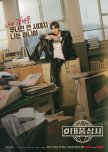
The Power of Character-Driven Storytelling
Stories about characters striving to achieve their dreams are always special. When done right, such shows can be both eye-opening and deeply motivational. Typhoon Family is exactly that — a brilliant blend of likable, relatable characters, consistently realistic storytelling, and timeless themes of determination, selflessness, and hard work.Set against the dreary backdrop of an economically unstable Korea, this drama is easily one of my favorite releases of the year.
The main character is as good as it gets — smart, charming, youthful, kind, and undeniably handsome. I could go on and on about Kang Tae-poong, but what truly stands out is how perfectly Lee Junho embodies him. Tae-poong often finds himself in over his head, yet he’s never afraid to ask for help, never afraid to fail, and never afraid to try again. He’s resilient and optimistic, and his tenacious willingness to never give up is truly the heart of this story. With his passion, sharp instincts, and strong support system, he is bound to succeed.
Our female lead complements him beautifully. She’s intelligent, dutiful, and far more than just a romantic interest. She’s a fully developed character with her own struggles and obstacles to overcome. The supporting cast also contributes meaningfully, each serving the story. In the end, it felt like each character experienced substantial, life-changing personal growth, the standout for me being Tae Poong's mom. No matter what direction the plot took, I always stayed engaged because of the character stories. They were just people doing what they could to survive in a bleak period in history, while supporting their loved ones. That really spoke to me.
Admittedly, I haven't been watching kdramas for that long. But from my experience, kdrama writers honestly suck at writing complex villains, mostly. But I think the villain is a lot more complex than most people realize. If you pay close attention, you'll catch the subtle hints about his personlity and motivations in his dialogue with other characters, especially his father. He isn’t just a chaotic troublemaker—he’s driven by insecurity, entitlement, and a lifelong inferiority complex toward Tae Poong. Pyo kid’s bitterness grows as he keeps losing to someone(Tae Poong) he now considers “beneath” him, and the pressure from his abusive father only deepens his desperation. He's incapable of succeeding onvis own because he lacks necessary skills and knowledge, yet he isn't humble enough to learn. So he directs his efforts towards destroying Tae Poong hoping that will prove his father wrong, but it always backfores on him. He's an annoying yet well-written villain.
Typhoon Family is very much a character-driven drama. The plot, however, never feels lacking. Sure, there's a disproportionate amount of losses as against wins, but I was thoroughly entertained. There are a few plot holes mostly in the business side of things. You'd likely notice them but they aren't massive enough to stifle your enjoyment of the show.
Themes of ambition, greed, trust, perseverance, the balance of risk and reward, etc. are woven neatly into the narrative, delivering powerful life and business lessons along the way. I know I’ve personally learned a thing or two.
Watching this show was a wonderful experience which taught me two things. One, I can always trust Kim Minha to choose the right scripts, and two, I should never judge an actor after seeing just one of their projects. I absolutely did not like Lee Junho after I watched King the Land. I detested that show. Now, I absolutely love him. I look forward to watching more of him. This show was both an inspiring breath of fresh air and a massive beat down, and I'm so glad I found it.
Was this review helpful to you?
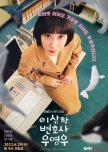
Wasted Potential
Going into this show, I had extremely high expectations. There were so many positive reviews surrounding it and while I'm not entirely sure how real-life autistic people received it, I've never had any personal experience with autism or people living with it so this was new terrain for me. I went in with an open mind and for a while, I loved what I got.But somewhere along the line, and I'm not sure where exactly, the quality of the story and character writing began to diminish noticeably. I'm a big fan of the legal drama genre and I really admired that the cases & how they were tackled stayed fresh & original to the end. However, that's the only thing that stayed consistent, storywise. In the last few episodes, the supporting characters either forgot or forsook their own motives & gradually settled into overused tropes. The first few episodes treated them like real people with unique goals & personalities but they later became pawns in the story simply waiting for the plot to happen to them. Most disappointing of them all was Kwon Min-Woo who can only be described as wasted potential. Some characters were even set up with possibly life-changing storylines only for them to come out on the other side exactly the same.
Young-Woo herself faced a similar dilemma. At first, each episode captured her dealing with a different aspect of living as an autistic person in the legal world. Watching her navigate her vital issues, grow, and come to terms with her reality was genuinely heartwarming, and as an audience, I felt carried along. But after a while, they kept recycling her old plotlines, and she was simply going on the same journeys over and over again.
Watching this show made me genuinely happy even till the end and that's all that really matters. The OST was great, visuals were spectacular, & acting was superb. I'll definitely be watching the second season. This is a 7.5/10 for me.
Was this review helpful to you?

The True Kim You Jung Masterclass
Anyone who knows me knows that I absolutely detest insane K-drama villains. They’re shallow, repetitive, and poorly written. They lack the depth necessary to make them feel real or believable, and their motives often border between non-existent and illogical. Basically, the “insane villain” trope is not my cup of tea. From Vincenzo to Dear Hongrang, they just kept getting worse. Then along comes Dear X with the most brilliantly complex sociopath I’ve seen in a long time.You could argue that she’s so layered because she’s the protagonist and main focus of the show, but if those other dramas had better character writers and clearer priorities, they could’ve made their villains feel just as layered as their heroes.
Baek Ah-Jin is a phenomenal character brought to life by an equally capable actress. Although I hated My Demon, I wasn’t the least bit skeptical when I heard KYJ was heading this production, because she gave what was easily the best acting performance in that drama. The supporting characters really enhance the story, my personal favorite being Moon Dohyun. The plot hooked me from the first episode and kept me engaged throughout. I have to admit, though, that the rest of the show wasn't as good as the first four episodes, and the ending left much to be desired. One thing that stayed consistent, though, was KYJ’s acting.
There’s a strong thematic presence in this show. Subjects such as violence, abuse, generational trauma, and duplicity don’t simply exist here—they’re explored quite deeply. It’s unapologetically dark and gruesome. Sometimes, I even fear for the child actors involved. The visuals are stunning—the dark and gritty tones work seamlessly with the world-building, and the lighting complements KYJ’s face in a way that almost makes her look doll-like at times. The direction sometime makes it feel like a horror show. The musical element is on another level; the way it intensifies an already tense situation makes everything come together perfectly.
As good as everything already is, my favorite aspect of this show has got to be the psychological maneuvering. Manipulation is depicted with striking accuracy. Ah-Jin is a villain through and through, and while her actions are unjustifiable, they’re strangely understandable. She’s beyong redemption, yet you can’t help but wonder how different her life might have been had she been born into better circumstances. She’s intelligent and calculating. She sees people as pawns in her mind games, inserting herself into their lives as the very thing they yearn for—whether it’s love, a morality project, or a sense of usefulness. She shifts her personality to infiltrate their minds. She could be a love interest to one and a helpless child to another. But once she sinks her teeth in, they become slaves to her every bidding.
This show isn’t perfect, though. It’s sometimes unbelievable how well things work out for the female lead. But they balance it by having her make costly mistakes every now and then. This is just peak entertainment. Baek Ah-Jin is now one of my favorites kdrama characters of all time. She is the gold standard for insane kdrama villains.
Was this review helpful to you?
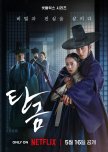
A Cautionary Tale
Characters: 10/20Oh boy, where do I start? Most of these characters had the depth of a puddle. The mains? Flat. The side characters? Just as flat. Half the time they felt less like people and more like walking, talking plot devices. Some even acted completely out of character just to keep the story moving.
The rare bright spots were Hongrang and Min Yeon Ui. Min Yeon Ui was giving villainess with a frozen heart that only melts for her son vibes, and honestly? Loved watching her play the family politics game. Jae Yi though… whew. She was the weakest link. A human weather vane, swaying whichever way the plot pushed her. All that backstory wasted because she spent the show stuck in damsel-in-distress mode.
The rest? Either frozen in place with zero growth or suddenly pulling a 180° personality flip like they just got patched with new firmware. And don’t even get me started on the villain reveal. After endless fake-outs, the “real” villain shows up and… surprise, surprise—he’s a generic, “I’m so crazy!” kdrama bad guy with no actual motives or backstory. I’ve seen this trope done better in Vincenzo, IOTNBO, My Demon—at least those actors sold the chaos. Here, even the villain looked like he didn’t believe his own nonsense.
And then there’s the second male lead, Kim Musin. Honestly, he felt like Byeong In from Mr. Queen’s knockoff cousin. Byeong In at least had layers and believable growth. Musin just… switched personalities overnight like someone hit “randomize” on him. Plus, he was a simping machine making the dumbest choices possible. Honestly? He deserved a tragic send-off.
Plot: 10/20
The plot was like a Jenga tower—looked solid at first, then collapsed the moment they added too much. Episode one hooked me. But then came the unnecessary story arcs, plot holes you could drive a bus through, and characters making the most illogical choices just to keep things moving.
And that finale? A mess. They tried shoving in plot twist after plot twist like they were on sale—except instead of thickening the story, they just contradicted everything built since episode one. It was like watching someone knock over their own house of cards.
Themes: 9/15
Self-harm, trauma, unrequited love, betrayal, loyalty, abuse—yeah, the themes were all there. But instead of actually exploring them, the show dipped a toe in and ran scared. Every time it tried to get deep, it hit the brakes. Even unrequited love, which should’ve been poignant, got mishandled so badly it basically gave out the wrong lessons.
Emotional Impact: 9/15
Spoiler: there was none. The FL had one face for every emotional scene, and it just… wasn’t working. Lee Jae Wook delivered (because duh, he’s Lee Jae Wook), but he can only carry so much.
The romance? Don’t even ask. I have no clue when or why they fell in love. One minute—strangers. Next minute—“I’d die for you.” The chemistry was flatter than soda left out overnight.
Pacing: 5/10
If pacing were a crime, this show would be serving a life sentence. After two episodes, the main plot went poof. Gone. Instead, we were spoon-fed random side plots until the original conflict crawled back like, “Hey, remember me?”
Good writing would’ve tied the subplots into the main arc or at least circled back every episode. Instead, everything felt disconnected. Relationships came pre-installed with zero explanation, so people were suddenly hating or loving each other for… reasons? The romance especially—no build-up, just vibes.
Honestly, this plot needed breathing room. It should’ve been 12 longer episodes instead of rushing through, ignoring details, and fast-tracking conversations.
Rewatchability: 2/5
Yeah… once is enough.
Visuals/Production: 5/5
i have to give credit where it's due. Gorgeous visuals, sleek direction, intense action, and an OST that slapped. Clearly, this is where the budget went.
Acting: 6/10
Lee Jae Wook carried the whole thing on his back. He was sharp, ruthless, charismatic—he was Hongrang. You could feel every ounce of his pain and anger. Any chemistry in his relationship with Jae Yi? Entirely from him.
Jo Bo Ah though… oof. Jae Yi was boring, lifeless, and recycled the same four expressions on rotation. I’d have preferred her in a smaller role. The supposed emotional scenes? Fell flat. Chemistry with other characters? Nonexistent.
The other gem was Uhm Ji Won, who killed her role with finesse. I just wish she got more screen time.
Final Thoughts
Dear Hongrang was… fine. Not unwatchable, but definitely not good. Frustratingly mid. It will remain a cautionary tale about the dangers of doing too much. The plot had potential but fell apart thanks to weak pacing, shallow themes, flat characters, and a bargain-bin villain. The visuals and Lee Jae Wook’s performance were the saving graces.
Would I recommend it? Only if I wanted to annoy someone.
Was this review helpful to you?

This review may contain spoilers
Everything I love about Kpop Demon Hunters
Like most people, I had no idea this movie was even coming out. I just woke up one morning and suddenly it was all anyone could talk about. The moment I saw the stellar animation, I knew I was in for a ride. What I didn’t expect was the emotional rollercoaster it would take me on. For a kids’ movie, it goes surprisingly deep—just enough to deliver a powerful message about guilt, shame, and ultimately, acceptance. That’s what really stood out to me: not just the eye-catching animation or the impeccable voice acting, but the way the theme of acceptance was brought to life through the songs and the amazing lead characters.Now, for what didn’t sit right with me: there’s really only one thing. Jinu figures out Rumi’s patterns during their very first fight, while her friends—who’ve been fighting alongside her for years—never noticed them. It felt a little inconsistent. But honestly, it’s a minor issue, and I get that it had to happen to move the plot forward. So, no big deal.
As for the positives, I can confidently say I loved almost everything about this movie. The animation blew my mind, and that’s saying a lot because I’ve seen a ton of different styles. Having watched shows like Arcane, Blue Eye Samurai, and Samurai Jack, I didn’t think there was much left that could genuinely impress me. But this did. It’s playful, flexible, and just a joy to watch. The voice acting was excellent, except Gwi ma who wasn't menacing or scary at all—but props to the casting director—and the songs were on another level. It’s been so long since I’ve seen an animated musical this good. Moana 2, Frozen 2, Wish, etc. were major disappointments, & I'm glad that k-pop Demon Hunters came along to remind Disney what those movies should feel like.
Like I said, the key takeaway for me was the themes/central message. I love how the patterns are used both metaphorically & literally to represent one's shame & guilt. The movie does an excellent job of showing the power that secrets & shame can have over a person in their relationship with themselves & others, and how the more we try to hide our supposed flaws, we go deeper into more lies, secrets, deception, I even begin to hurt & disappoint the one we love because of our words & behaviors. I never expected a kids-friendly movie to teach such valuable lessons! That if we come to accept ourselves & put aside our fear of rejection, if we trust our loved ones with the truth, they could accept us too. Because love is all about forgiveness & acceptance.
I also love how Jinu's arc features a redemption that teaches us that it's never too late to change & do the right thing no matter how far gone you think you are.
I've heard lots of complaints about the ending. People say that they were made to sympathize with the demons only for them to all be banished. I understand that art is open to different interpretations, but I never saw it that way. This movie was never leading up to a place of demon-human coexistence. That's evident in the fact that they never even bothered developing the characters of the two Saja boys. It was about the personal journeys of two people coming to terms with their mistakes & learning to accept themselves for who they are. And yes, defeating the villain with the power of love & friendship is corny, but the world building established from the start that such things do have power.
Anyway, maybe a sequel could explore the possibility of demon-human coexistence. If it's not already clear by now, I loved this movie, and I know you loved it too, but I sincerely hope that my review made you love it more.
Was this review helpful to you?


