The grand princess already had the experience of marrying a man who didn't love her at all and it all ended tragically, she knew that a forced marriage would not be happy, but she still helped her daughter live the life she had gone through ... what kind of mother is she? Crazy mother
The episodes are getting better and better.. Ep.28 how evil the 2nd aunt is…. I know she couldn’t reject the request from evil royal princess but still… 2nd aunt is also too evil Teaser ep.32 is really heartbreaking for the couple. I wonder if jiang si will leave the town and go to nanwu in between 🧐 normally if they get married too soon in Cdrama then there will be a short separation later on😅
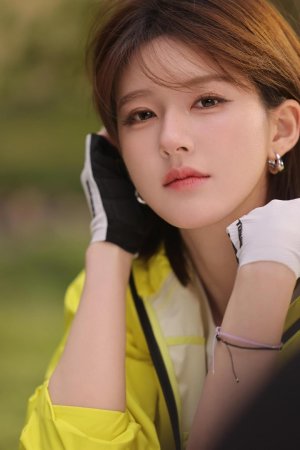
"In the past, #ZhaoLusi was always on set, and her hair had to be ready at any moment to fit the needs of the character — its length, colour, none of it was up to her.
During her time resting at home, she finally made up her mind to dye her hair.
"In that moment, I felt like I was truly free," she said. "It gave me a sense of being in control of myself."
there was always a voice lingering in her mind, telling her what she truly wanted. she didn’t dare to listen to that voice, as everything around her felt like an invisible net pressing down on her. she wrapped herself in many words and sentences: “you’re really doing great now; this is what you wanted. you must be happy, you should be content.”
when illness came rushing in, she finally understood that one cannot deceive their body, nor their heart. at first, it was just low oxygen levels and irregular heartbeats, which zhao lusi didn’t pay much attention to. it wasn’t until the real problem occurred that she realized there was no way out. she was rushed to the hospital emergency room, unable to stand or speak, everything happened so suddenly.
she felt like the whole experience was a dream. but reality was like a whirlpool, and she had to be drawn into it, to face the disrupted rhythm of her life and, more importantly, the inner self she had been avoiding.
on the advice of her doctor, zhao lusi returned home to rest and recover. she had rare time to spend with friends and family, but more importantly, to be with her true self. she gradually realized that what had been binding her in the past was the invisible cage she had built herself, the self she had always neglected.
she once thought that digesting her emotions on her own was her strength, but now she understood that facing those negative emotions head-on was true courage.
in the past, she liked to immerse herself in a lively atmosphere to escape from negative emotions, pretending they didn’t exist. but now, she had changed. she decided no longer to divert her attention from the pain. she wanted to walk into the depths of the storm in her heart, see herself, listen to herself, and finally truly accept herself, because that was the real her.
since childhood, zhao lusi had always been a sensitive person. she liked to observe others’ emotions and expressions. now, she had learned to protect her own sensitivity. after falling ill, her body’s true reactions taught her to respect her feelings. she began to have conversations with her inner self.
“set boundaries for yourself, and clearly know what makes you unhappy,” zhao lusi said. “because now, doing something you don’t like immediately triggers a physical response.”
to some extent, she was grateful for the opportunity that her illness had given her. the illness amplified her senses, making her more sensitive and fragile. things that were once concealed by rationality had nowhere to escape, and this made her learn to face the emotions she had once ignored. in the center of that storm, she found true freedom.
Zhao Lusi's Message to Herself and All Women this International Women's Month 🌳
"Have you always been facing your true self from the beginning to the end?
In the past, I've created too many dreams for myself. Doing good deeds, being kind to others, But I never had a conversation with my inner self, until I went through that long winter. It turns out, not always being a flower that blooms forever is just fine. I finally dyed my hair the colour I've had wanted for 10 years, set boundaries for myself, and got to know the real me again.
Tomorrow’s Zhao Lusi, you may not always be doing well, but you will definitely be the bravest, facing your true self with courage.

 Editorials
 1
1  2
2  1
1 


Ep.28 how evil the 2nd aunt is…. I know she couldn’t reject the request from evil royal princess but still… 2nd aunt is also too evil
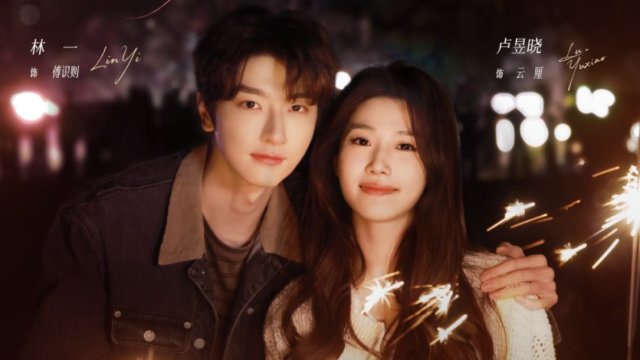
Teaser ep.32 is really heartbreaking for the couple. I wonder if jiang si will leave the town and go to nanwu in between 🧐 normally if they get married too soon in Cdrama then there will be a short separation later on😅
During her time resting at home, she finally made up her mind to dye her hair.
"In that moment, I felt like I was truly free," she said. "It gave me a sense of being in control of myself."
— 时尚先生 Esquire March 2025
https://x.com/wonwoncity/status/1897915365247820049?s=46
when illness came rushing in, she finally understood that one cannot deceive their body, nor their heart. at first, it was just low oxygen levels and irregular heartbeats, which zhao lusi didn’t pay much attention to. it wasn’t until the real problem occurred that she realized there was no way out. she was rushed to the hospital emergency room, unable to stand or speak, everything happened so suddenly.
she felt like the whole experience was a dream. but reality was like a whirlpool, and she had to be drawn into it, to face the disrupted rhythm of her life and, more importantly, the inner self she had been avoiding.
on the advice of her doctor, zhao lusi returned home to rest and recover. she had rare time to spend with friends and family, but more importantly, to be with her true self. she gradually realized that what had been binding her in the past was the invisible cage she had built herself, the self she had always neglected.
she once thought that digesting her emotions on her own was her strength, but now she understood that facing those negative emotions head-on was true courage.
in the past, she liked to immerse herself in a lively atmosphere to escape from negative emotions, pretending they didn’t exist. but now, she had changed. she decided no longer to divert her attention from the pain. she wanted to walk into the depths of the storm in her heart, see herself, listen to herself, and finally truly accept herself, because that was the real her.
since childhood, zhao lusi had always been a sensitive person. she liked to observe others’ emotions and expressions. now, she had learned to protect her own sensitivity. after falling ill, her body’s true reactions taught her to respect her feelings. she began to have conversations with her inner self.
“set boundaries for yourself, and clearly know what makes you unhappy,” zhao lusi said. “because now, doing something you don’t like immediately triggers a physical response.”
to some extent, she was grateful for the opportunity that her illness had given her. the illness amplified her senses, making her more sensitive and fragile.
things that were once concealed by rationality had nowhere to escape, and this made her learn to face the emotions she had once ignored. in the center of that storm, she found true freedom.
#zhaolusi for 时尚先生 esquire — 明天的women
https://x.com/wonwoncity/status/1898022402791244231?s=46
Grandpa is so funny once he’s drunk…. Now no more secrets between them🤣🤣
"Have you always been facing your true self from the beginning to the end?
In the past, I've created too many dreams for myself. Doing good deeds, being kind to others, But I never had a conversation with my inner self, until I went through that long winter. It turns out, not always being a flower that blooms forever is just fine. I finally dyed my hair the colour I've had wanted for 10 years, set boundaries for myself, and got to know the real me again.
Tomorrow’s Zhao Lusi, you may not always be doing well, but you will definitely be the bravest, facing your true self with courage.
Tomorrow’s Women,
Authentic,
Brave,
Not always being a flower that blooms forever, It's fine."
https://x.com/wonwoncity/status/1897848647926399364?s=46
And Finally his cunning tricks were revealed one by one by his girlfriend
I love their double date thing. Lin yi shen is also witty, he purposely let he su ye felt what it was like to be a photographer to the ladies😆😆