
 Editorials


Dead Air
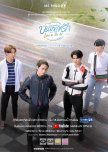
'Love in the Air' presents every ingredient for a watchable romance; attractive leads, a dual-couple structure, and the occasional chemistry between PRAPAI and SKY; then methodically wastes all of it on dialogue that loops without landing and performances ranging from mechanical to genuinely difficult to watch.BOSS SERMSONGWITTAYA renders PAYU so flatly inexpressive that his possessiveness reads less as smoldering intensity than vacancy, while NOEUL TANGWAI’s portrayal of RAIN reduces the character to something between a confused child and a prop, making their central relationship, built on coercion and framed as devotion, not just unconvincing but actively uncomfortable.
The series treats structural elements like character development and emotional stakes as aesthetic choices rather than narrative obligations, dressing predatory behavior in romantic music and letting a sexual assault subplot function as backstory decoration rather than something with actual weight.
Love in the Air was written for audiences who require nothing more than attractive men sharing a frame, and it fulfills that brief exactly... no more, no less.
Was this review helpful to you?
Floored by Its Own Footwork
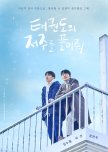
'Let Free the Curse of Taekwondo' opened with disarming ease: SIN JU YEONG and LEE DO HOE's chemistry carried the weight of a relationship that felt genuinely inhabited, and the series demonstrated real thematic literacy around denial, grief, and the quiet suffocation of class-driven silence, all reinforced by striking cinematography and a soundtrack that carried more emotional weight than the writing ultimately deserved.The momentum fractures precisely where it mattered most; the charged confrontation between Ju Yeong, Do Hoe, and Do Hoe's abusive father is discarded rather than explored, and HA HYEON HO, whose internal homophobia and jealousy could have constituted a genuinely tragic arc, is reduced instead to a blunt instrument of antagonism for lack of perspective.
The time skip compounded the damage, abandoning the series' measured emotional register for a forced love triangle and supporting characters whose primary function was exposition delivery.
To conclude, Ju Yeong remained the series’ most reliable asset, as his charisma and sincerity did what the final act’s rushed pacing refused to; give the audience something to hold onto even as the character resolutions arrive too quickly to register as earned.
Was this review helpful to you?


