



Where Pain Meets Comfort: A Love That Learns to Breathe Again
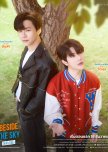
Fourever your part 2 with a story that feels even more powerful than expected. Instead of simply continuing the series, it dives straight into an emotional journey that is both heartbreaking and deeply moving.Part 1 only gave brief glimpses of Tonfah and Typhoon, but those small moments were enough to leave a strong impression. I was especially curious about their relationship—why they seemed distant from each other and why their interactions felt so awkward at times. This part slowly begins to reveal the reasons behind those tensions.
Typhoon’s past is heartbreaking. The trauma he carries, his fear of the dark, and the loss of his sister have left him deeply broken. Instead of comfort, he faces blame from those around him, forcing him to deal with his grief alone, which makes his pain feel painfully real.
When Tonfah reenters Typhoon’s life, we begin to see a brighter side of Typhoon again. His presence makes Typhoon happier and more cheerful. However, because of problems caused by his father, Typhoon is forced to distance himself from Tonfah. Those scenes are especially painful to watch, as you can clearly see how much both of them are hurting.
Typhoon’s friends also play an important role in the story. They provide support and create a sense of belonging that contrasts with the loneliness Typhoon once experienced. Their encouragement helps him find the courage to choose what he truly wants and to pursue the person he loves.
Seeing familiar characters like Johan and North and Hill and Earth again adds an extra layer of nostalgia and joy for long-time viewers, making the world of Fourever You feel even more connected.
Overall, this part of the series delivers a touching mix of heartbreak, healing, and quiet hope, making the story both emotional and meaningful to watch.
Was this review helpful to you?
7.5/10 – Draggy in parts, but unforgettable as a classic royal romance.
Princess Hours is truly one of those iconic K-dramas that defined the mid-2000s era. The concept of an ordinary high school girl suddenly becoming a princess and navigating palace life felt like a fairy tale come to life. The chemistry between Shin (Ju Ji Hoon) and Chae Gyeong (Yoon Eun Hye) was slow to build, but that’s what made it so rewarding—their awkward bickering, gradual trust, and eventual genuine love felt natural and heartwarming. Some of the most memorable scenes for me were their clumsy but cute moments in the palace, the comedic timing, and the way Chae Gyeong’s innocence brightened the otherwise strict royal atmosphere.On the downside, the drama definitely suffers from pacing issues. The middle episodes drag with too many repetitive misunderstandings, palace politics, and love triangle moments that could have been tighter. At times Shin’s cold personality felt frustrating, though it made his eventual growth and affection more impactful. The second male lead also added tension, but his storyline sometimes overshadowed the main romance.
Still, despite its flaws, Princess Hours is a nostalgic gem with beautiful costumes, a whimsical OST, and a romance that lingers even after all these years. If you love royal settings, slow-burn relationships, and that classic early K-drama charm, this is a must-watch.
Was this review helpful to you?
This review may contain spoilers
Never thought I would enjoy
I never thought I would enjoy this drama so much. I didn’t have any expectations from Healer—I only started watching it because of its huge fanbase and curiosity about the hype. But after finishing it, I completely understand why so many people are obsessed with this drama.Spoilers
What makes Healer so engaging is that it doesn’t just stick to being an action thriller—it’s also a healing romance. Jung Hoo begins as a loner who distrusts everyone, but Young Shin’s warmth and resilience slowly break down his walls. Ji Chang Wook’s dual performance as Seo Jung Hoo and the awkward Park Bong Soo was a delight to watch, and his transitions between characters were really impressive.
The movie date scene was my favorite and most memorable moment—it was from that point that I couldn’t stop watching. The thriller aspect is equally strong, with the central mystery of the “illegal broadcasting team” from the 80s, their tragic fate, and how it ties into the present-day characters keeping the tension alive. The villains, especially the manipulative Elder and the creepy Secretary Oh (his OCD habits and unsettling smile were chilling), added to the suspense.
I also appreciated how the leads trusted and supported each other instead of dragging out unnecessary misunderstandings. There were many emotional scenes that were truly heart-touching. Healer’s teacher was another amazing character—his presence was short-lived, but impactful, and I wished we could have seen more of him.
That said, the drama isn’t without flaws. The final episode felt a little rushed, the Elder as the main villain was underdeveloped, and some side characters like Moon Ho and the hacker could have been explored more. A few mid-episodes dragged with repetitive chases, and at times I felt confused by some details, especially regarding the Elder’s side plot and the last water research subplot—it felt like something was missing.
Even with these shortcomings, Healer remains a must-watch if you enjoy thriller-romance dramas. And if you like a bit of nostalgic K-drama magic, you’ll definitely fall in love with this one.
Was this review helpful to you?

This review may contain spoilers
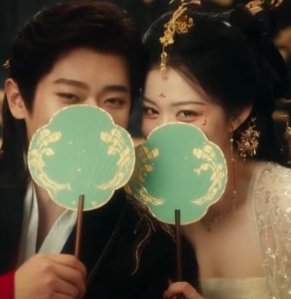
Love, Dreams, and Struggles: A Heartfelt Journey in Love Story in the 1970s
It is a nostalgic romance drama set in the socially changing atmosphere of the 1970s. The story blends romance, personal ambition, and everyday struggles, creating a warm yet emotional narrative about love growing in difficult times.The drama carefully recreates the atmosphere of the era—simple houses, factory jobs, and community living. This setting makes the story feel authentic and immersive. Instead of dramatic love confessions, the relationship develops through small acts of care and support, which makes the romance feel natural and sincere. Fei Ni’s determination to pursue education and independence reflects the dreams of many young people of that era. Fang Mu Yang’s quiet strength adds emotional depth to their relationship.
Slow pacing in some episodes — The drama spends a lot of time on daily life and struggles, which may feel slow for viewers who prefer fast-moving stories. Predictable romantic development — The fake marriage turning into real love is a familiar trope.
Natural chemistry between the leads – The relationship between Fei Ni and Fang Mu Yang develops gradually and feels sincere. Beautiful cinematography – The drama captures the nostalgic atmosphere of the 1970s with warm colors and detailed sets. Realistic portrayal of daily life – Factory work, family duties, and community living are depicted convincingly.
Overall, Love Story in the 1970s is a pleasant and heartwarming watch. The chemistry between the main leads, along with the beautiful cinematography and nostalgic storytelling, makes the drama engaging despite its slow pacing.
It is highly recommended for viewers who enjoy slow-paced, character-driven romance dramas that focus on emotions, relationships, and everyday life rather than intense action or suspense.
Was this review helpful to you?
This review may contain spoilers
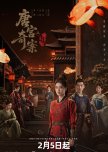
Unveil: Jadewind — Stunning Cases, But a Rushed and Predictable Ending
Unveil: Jadwind is character-driven drama that blemds emotional depth, political intrigue, and layered relationships with strong performances from both tha leads and have great cinematic visuals, it delivers both intensity and tenderness though have few pacing issues.Pros:
1. Visually stunning: The cinematography is one of drama's strongest points. From costume detailing to atmospheric lighting, every frame feels carefully crafted and elegant.
2. Strong lead performances: both the lead and the supporting characters were done nicely and delivered emotions in a controlled yet powerfully manner.
3. It portrays the idea that not every solved mystery needs public exposure, showing that sometimes protecting others matters more than exposing the truth.
Cons:
1. The fl always tries to kill herself to solve the cases, there isn't single case where she don't attempt it. At first, i thought it was impactful and bold, but repetition gradually made it lose its emotional weight and feel unnecessary.
2. A few cases were written in a very complicated way, with too many details and sudden explanations. Story followed a familiar pattern, so big moments didn't feel very surprising, because of this, suspense was weaker and less exciting.
3. Many characters were under developed. Several supporting roles had potential, but they weren’t explored deeply enough, which made it harder to feel emotionally connected to them.
****Spoiler Alert****
The main plot was revealed only in the last few episodes, which made the ending feel rushed. The villain was underdeveloped, and it was confusing how they even found him. When the ML stopped the FL from killing the villain and they broke up, it felt dramatic but not fully satisfying. The truth about the FL’s parents was finally revealed, but the king gave the villain only a light punishment, which was disappointing.
Later, one of her father’s loyal army men planned to expose the villain by killing his sister, the king’s consort. The FL knew about the plan and accepted it. But in the end, the consort was not killed, and the villain was punished — not for killing her father, but for rebelling against the king to protect his sister. This made the final resolution feel less impactful and somewhat frustrating.
Atlast everything was predictable and lost my interest. I skipped through last 6 eps.
Overall, I gave it a 7.5/10 because the individual cases they included were interesting and fun to watch. Even though the main plot had flaws, the process of solving each case kept me engaged and curious. The investigative parts were the strongest aspect of the drama and made it worth watching despite its weaknesses.
Was this review helpful to you?


