
 News


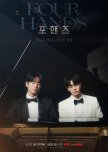
The Best Kdrama of 2026
🎹 FOUR HANDS TWO SONATAS: A Masterpiece in Three Movements 🎹
From its opening measure to that final resolving chord, Four Hands Two Sonatas was nothing short of a symphonic triumph. This wasn’t just a drama — it was a carefully composed sonata, every scene a phrase, every revelation a harmony shifting just when you thought you knew the melody.
At its emotional core lies that extraordinary bromance — a relationship of such intricate counterpoint it felt like two melodies striving toward the same resolution yet never quite landing in perfect unison. It’s a platonic bond more tangled, nuanced, and profound than the most complex marriage — sometimes dissonant, sometimes beautifully consonant, always deeply resonant. They moved through life like two pianists sharing one bench: sometimes stepping on each other’s keys, sometimes lifting each other’s melody, inseparable yet entirely distinct voices in one composition. The tempo of their connection never stayed steady — it would accelerate into fiery passages only to slow into quiet, lingering notes that hung in the air long after the scene faded.
The storytelling? Pure virtuosity. Plot twists arrived not as jarring fortissimos, but as perfectly timed modulations — shifting keys, revealing new layers, yet always feeling earned. Just when I thought the melody had settled, the narrative would introduce a new theme, and instead of feeling overcrowded, it simply made the composition richer. That delicate balance — layering complexity without ever losing clarity — is the mark of true maestros. K-drama really does conduct the orchestra better than anyone else; every revelation felt less like a surprise and more like a truth we were just finally ready to hear.
And then — the casting. More than a decade passes within this story’s time signature, yet somehow every female character remains impossibly luminous. Kang Pi-o’s mother looks ageless — like a treble clef etched in marble, untouched by the years. I’m convinced the women in this universe have discovered a secret harmony with time itself, or perhaps that 12-to-16-step ritual truly is the fountain of youth in a bottle. They move through the years not with visible aging, but with the deepening resonance of a well-played violin — richer, warmer, and more beautiful with every season.
Those final two episodes? They were the crescendo this entire series had been building toward — the kind of performance that leaves you sitting in silence as the final note fades, knowing you’ve just witnessed something extraordinary. They weren’t just television; they were the finest articulation of what this medium can achieve — heartbreaking, hopeful, masterfully executed — and they will echo in my mind for a very long time.
Bravo. Encore. Standing ovation. 👏🎼🇰🇷
Was this review helpful to you?


