


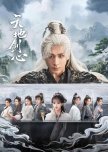

Both "The Legend of Shen Li" and "Fox Spirit Matchmaker: Sword and Beloved" are fantastic dramas that feature strong female leads, captivating love stories, and a sprinkle of fantasy mixed with historical drama. In "The Legend of Shen Li," we follow the journey of a brave general who turns down a political marriage to find love with a mysterious man. Meanwhile, "Sword and Beloved" shares the touching tale of a warrior and a spirit, bound together by a love that comes with its own set of challenges. Both dramas beautifully explore themes of love, destiny, and the obstacles characters face in their enchanting worlds.
**Similarities:**
**Fantasy and Historical Elements:**
These dramas do a great job of blending magical elements with historical settings, inviting viewers into unique worlds filled with their own fascinating rules and lore. "The Legend of Shen Li" brings immortals and demons to life, while "Sword and Beloved" introduces us to spirits and mythical creatures.
**Powerful Female Leads:**
You’ll love the strong, capable female characters at the heart of both stories! Shen Li from "The Legend of Shen Li" is an inspiring general, and in "Sword and Beloved," we meet Qing Tong, a little spirit with incredible potential waiting to be uncovered.
**Epic Love Stories:**
Expect to be swept off your feet by the epic love stories in both dramas! Shen Li and Xing Yun’s love faces incredible challenges from external forces, while the relationship between Wang Quan Fu Gui and Qing Tong is beautifully drawn with all its pains and lingering hopes.
**Themes of Destiny and Choice:**
Both dramas delve into the themes of destiny and the choices we make along the way. Shen Li's bold rejection of her political marriage and the choices Xing Yun faces during tough times highlight this theme beautifully, as does the connection between Wang Quan Fu Gui and Qing Tong, shaped by their unique circumstances.
**Visual Spectacle:**
Prepare to be dazzled! Both dramas boast stunning visuals and cinematography. "The Legend of Shen Li" offers epic scenes that take your breath away, while "Sword and Beloved" impresses with its imaginative portrayal of fantastical elements.
**Similarities:**
**Fantasy and Historical Elements:**
These dramas do a great job of blending magical elements with historical settings, inviting viewers into unique worlds filled with their own fascinating rules and lore. "The Legend of Shen Li" brings immortals and demons to life, while "Sword and Beloved" introduces us to spirits and mythical creatures.
**Powerful Female Leads:**
You’ll love the strong, capable female characters at the heart of both stories! Shen Li from "The Legend of Shen Li" is an inspiring general, and in "Sword and Beloved," we meet Qing Tong, a little spirit with incredible potential waiting to be uncovered.
**Epic Love Stories:**
Expect to be swept off your feet by the epic love stories in both dramas! Shen Li and Xing Yun’s love faces incredible challenges from external forces, while the relationship between Wang Quan Fu Gui and Qing Tong is beautifully drawn with all its pains and lingering hopes.
**Themes of Destiny and Choice:**
Both dramas delve into the themes of destiny and the choices we make along the way. Shen Li's bold rejection of her political marriage and the choices Xing Yun faces during tough times highlight this theme beautifully, as does the connection between Wang Quan Fu Gui and Qing Tong, shaped by their unique circumstances.
**Visual Spectacle:**
Prepare to be dazzled! Both dramas boast stunning visuals and cinematography. "The Legend of Shen Li" offers epic scenes that take your breath away, while "Sword and Beloved" impresses with its imaginative portrayal of fantastical elements.
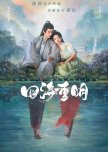
If you are interested in "The Sword" and "Beloved," you may also find "Love's Rebellion" appealing. "The Sword" likely refers to "The Song of Achilles" by Madeline Miller, rather than a literal sword, while "Beloved" is the novel by Toni Morrison. All three works, along with the Chinese drama "Love's Rebellion," explore themes of trauma, memory, and the enduring effects of difficult pasts, particularly focusing on female characters. They also examine the complexities of love, loss, and the struggle for freedom, albeit in different historical and cultural contexts.


