


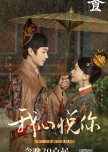
I came for Xu Kai. I stayed for the imperial cuisine that became the real star of the drama.
Sometimes, a drama doesn't need grand battles, heartbreaking sacrifices, or earth-shattering plot twists to be enjoyable.
Sometimes...
it simply needs to know exactly what kind of story it wants to tell.
That was Royal Feast for me.
I started this drama knowing it had mixed reviews. Many viewers compared it to Story of Yanxi Palace simply because it reunited Xu Kai and Wu Jinyan. Others criticized the slow pacing, limited romance, and heavy focus on palace life rather than the relationship between the leads.
So I adjusted my expectations before pressing play.
And I'm glad I did.
From the very beginning, Royal Feast made it clear that this wasn't a romance disguised as a palace drama.
It was a palace drama told through food.
As someone who genuinely enjoys cooking, I found myself paying as much attention to every dish as I did to the dialogue.
Each banquet wasn't simply about beautiful presentation.
Every ingredient, cooking technique, and imperial meal carried purpose—whether to celebrate, heal, persuade, or reflect the emotions of the people eating it.
I honestly found myself looking forward to every cooking sequence.
The food cinematography alone deserves recognition.
Every dish looked like a work of art.
The preparation, the colors, the close-up shots, and the attention to historical detail made every imperial banquet feel immersive.
There were moments when I forgot I was watching a historical drama because I became completely invested in the cooking itself.
Visually, Royal Feast is elegant.
The costumes beautifully captured the refinement of the Ming Dynasty without feeling excessively extravagant.
The palace interiors, lighting, and cinematography created an atmosphere that felt calm rather than overwhelming.
The soundtrack complemented the story well.
It never stood out as unforgettable, but it quietly supported the emotions without distracting from them.
Xu Kai once again reminded me why I enjoy watching his dramas.
This role couldn't be more different from characters like Li Chenlan or Mo Qing.
There were no battlefields.
No world-ending enemies.
No dramatic sacrifices every few episodes.
Instead, he portrayed Zhu Zhanji with remarkable restraint.
What impressed me most was the layered progression of his performance.
As the story moved from Grand Imperial Grandson, to Crown Prince, and eventually to Emperor, Xu Kai subtly adjusted the character's demeanor.
Without relying on exaggerated emotional scenes, you could gradually feel the increasing weight of responsibility resting on his shoulders.
His expressions became more restrained.
His decisions became more calculated.
His quiet moments carried more emotional weight than many dramatic speeches could have.
It wasn't an explosive performance.
It was a controlled one.
And I appreciated that.
Wu Jinyan also fit Yao Zijin perfectly.
Rather than portraying another loud or overly ambitious heroine, she gave us someone calm, patient, intelligent, and deeply devoted to her craft.
Her greatest strength wasn't political manipulation.
It was her ability to communicate through food.
Together, Xu Kai and Wu Jinyan shared a gentle chemistry.
However...
I completely understand why many viewers felt disappointed with the romance.
Personally, I never watched Royal Feast expecting an intense love story.
Even so, I couldn't help wishing the leads had been given more time together.
There were long stretches where palace affairs, imperial succession, kitchen rivalries, and political conflicts dominated the narrative while the romance quietly waited in the background.
If you're looking for constant romantic progression, this drama will probably feel lacking. That was one of the most common criticisms I came across from other viewers as well.
The palace intrigue itself was enjoyable without becoming overly exhausting.
Rather than relying entirely on endless betrayals or harem warfare, the story focused more on imperial succession, family responsibilities, court politics, and the burden of leadership.
It wasn't as intense as Story of Yanxi Palace.
It also wasn't trying to be.
That worked in its favor.
One thing I appreciated was that the drama never rushed to become something it wasn't.
It remained consistent with its identity from beginning to end.
If I had one criticism, it would be the pacing.
At forty episodes, there were moments when the story lingered longer than necessary.
Some political conflicts and kitchen rivalries could have been tightened, and I do agree with many viewers that the romance deserved more development.
Still...
I never found myself wanting to drop the drama.
Perhaps because I entered it with the right expectations.
I wasn't waiting for epic battlefields.
I wasn't waiting for tragic sacrifices.
I wasn't waiting for passionate romance every episode.
I was simply enjoying the experience.
One thing about me is that I'm still relatively new to C-dramas.
Only a few months ago, my free time was spent outdoors—cycling, hiking, and chasing adventures.
Now, after watching more than forty historical dramas, I've realized something.
Not every drama needs to emotionally destroy me to leave a good impression.
Sometimes...
watching beautifully prepared imperial cuisine while palace politics quietly unfold is exactly the kind of experience I need.
Royal Feast may never become one of my all-time favorites.
But it became one of my most relaxing watches.
And as someone who genuinely enjoys cooking...
I probably appreciated it far more than I expected.
Sometimes...
it simply needs to know exactly what kind of story it wants to tell.
That was Royal Feast for me.
I started this drama knowing it had mixed reviews. Many viewers compared it to Story of Yanxi Palace simply because it reunited Xu Kai and Wu Jinyan. Others criticized the slow pacing, limited romance, and heavy focus on palace life rather than the relationship between the leads.
So I adjusted my expectations before pressing play.
And I'm glad I did.
From the very beginning, Royal Feast made it clear that this wasn't a romance disguised as a palace drama.
It was a palace drama told through food.
As someone who genuinely enjoys cooking, I found myself paying as much attention to every dish as I did to the dialogue.
Each banquet wasn't simply about beautiful presentation.
Every ingredient, cooking technique, and imperial meal carried purpose—whether to celebrate, heal, persuade, or reflect the emotions of the people eating it.
I honestly found myself looking forward to every cooking sequence.
The food cinematography alone deserves recognition.
Every dish looked like a work of art.
The preparation, the colors, the close-up shots, and the attention to historical detail made every imperial banquet feel immersive.
There were moments when I forgot I was watching a historical drama because I became completely invested in the cooking itself.
Visually, Royal Feast is elegant.
The costumes beautifully captured the refinement of the Ming Dynasty without feeling excessively extravagant.
The palace interiors, lighting, and cinematography created an atmosphere that felt calm rather than overwhelming.
The soundtrack complemented the story well.
It never stood out as unforgettable, but it quietly supported the emotions without distracting from them.
Xu Kai once again reminded me why I enjoy watching his dramas.
This role couldn't be more different from characters like Li Chenlan or Mo Qing.
There were no battlefields.
No world-ending enemies.
No dramatic sacrifices every few episodes.
Instead, he portrayed Zhu Zhanji with remarkable restraint.
What impressed me most was the layered progression of his performance.
As the story moved from Grand Imperial Grandson, to Crown Prince, and eventually to Emperor, Xu Kai subtly adjusted the character's demeanor.
Without relying on exaggerated emotional scenes, you could gradually feel the increasing weight of responsibility resting on his shoulders.
His expressions became more restrained.
His decisions became more calculated.
His quiet moments carried more emotional weight than many dramatic speeches could have.
It wasn't an explosive performance.
It was a controlled one.
And I appreciated that.
Wu Jinyan also fit Yao Zijin perfectly.
Rather than portraying another loud or overly ambitious heroine, she gave us someone calm, patient, intelligent, and deeply devoted to her craft.
Her greatest strength wasn't political manipulation.
It was her ability to communicate through food.
Together, Xu Kai and Wu Jinyan shared a gentle chemistry.
However...
I completely understand why many viewers felt disappointed with the romance.
Personally, I never watched Royal Feast expecting an intense love story.
Even so, I couldn't help wishing the leads had been given more time together.
There were long stretches where palace affairs, imperial succession, kitchen rivalries, and political conflicts dominated the narrative while the romance quietly waited in the background.
If you're looking for constant romantic progression, this drama will probably feel lacking. That was one of the most common criticisms I came across from other viewers as well.
The palace intrigue itself was enjoyable without becoming overly exhausting.
Rather than relying entirely on endless betrayals or harem warfare, the story focused more on imperial succession, family responsibilities, court politics, and the burden of leadership.
It wasn't as intense as Story of Yanxi Palace.
It also wasn't trying to be.
That worked in its favor.
One thing I appreciated was that the drama never rushed to become something it wasn't.
It remained consistent with its identity from beginning to end.
If I had one criticism, it would be the pacing.
At forty episodes, there were moments when the story lingered longer than necessary.
Some political conflicts and kitchen rivalries could have been tightened, and I do agree with many viewers that the romance deserved more development.
Still...
I never found myself wanting to drop the drama.
Perhaps because I entered it with the right expectations.
I wasn't waiting for epic battlefields.
I wasn't waiting for tragic sacrifices.
I wasn't waiting for passionate romance every episode.
I was simply enjoying the experience.
One thing about me is that I'm still relatively new to C-dramas.
Only a few months ago, my free time was spent outdoors—cycling, hiking, and chasing adventures.
Now, after watching more than forty historical dramas, I've realized something.
Not every drama needs to emotionally destroy me to leave a good impression.
Sometimes...
watching beautifully prepared imperial cuisine while palace politics quietly unfold is exactly the kind of experience I need.
Royal Feast may never become one of my all-time favorites.
But it became one of my most relaxing watches.
And as someone who genuinely enjoys cooking...
I probably appreciated it far more than I expected.
Was this review helpful to you?


