
 K-Drama

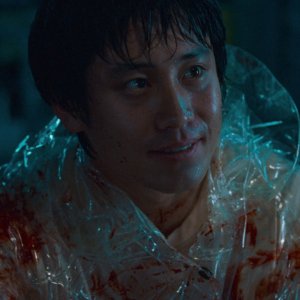



still a redeemable and relevant queer narrative!
considering the two parts of the film as a whole, i do think it is redeemable as a queer work despite the excessive, melodramatic nature of it.
as one of the only few explicit chinese queer works of its time, a round trip to love has quite a bit of literature available on it. the main sentiment both among viewers and academics seems to be that the film points to the impossibility of queer love due to a heteronormative society and class differences through narratively blocking every opportunity where this relationship could work. however, that was not at all my understanding of the film. we must pay attention to just how the relationship collapses and not only that it does collapse.
the above popular framing reduces the central tragedy of the film to “censorship” not allowing positive depictions of queer love (not a thing), heteronormative kinship structures, class division, family pressure, and so on. most of these are absolutely relevant to how the relationship between lu feng and cheng yi chen took shape. however, i think the film clearly depicts the destruction as directly caused by lu feng’s masculinity. if you follow the emotional logic of and the dialogue within the narrative, what causes the central rupture isn’t societal pressure (which existed since the beginning of their relationship) but how lu feng’s masculinity fails to be otherwise.
the first part of the film shows us intimacy between lu feng and cheng yi chen is possible because lu feng is willing to change, to be kinder, softer, more vulnerable and considerate just to be worthy of cheng yi chen’s time and affection. during college or even when they meet five years after, lu feng continues to be sexually transgressive (on the basis of mutual affection) yet is always met with rejection from xiao chen (on the basis of his aggression and use of force).
the second part of the film is a lot darker as lu feng interprets xiao chen’s decision to end things as a challenge to his power, his masculinity. i do agree that it is quite a rough watch to see their relationship take an uncomfortable turn when lu feng decides to kidnap, rape, and humiliate xiao chen as a part of “taking revenge;” however, rather than being a political statement about the “impossibility of queer love” by the creator, i think these scenes are clearly portrayed as destroying the conditions under which love could exist at all. it is not romanticized nor is it sexualized. the revenge arc is only lu feng’s masculinity taken to the extreme. we see that his willingness to change collapsed in the absence of any reassurance of xiao chen’s affection for him, as well as in the presence of a direct threat to his masculinity. we see that, even though he once loved him, lu feng can no longer relate to xiao chen except through domination and harm.
love can survive separation or misunderstandings or societal norms (see: part one) but it cannot survive a man tethered to hegemonic masculinity (see: part two). this is, to me, exactly what the film wants to say. the ending, as well as all of the melodramatic impossibilities of this love, is a testament to this. in the end, after all the harm done, love can no longer exist. you cannot go back to be in a relationship with someone who harmed you in this way, and neither can you go back to the person you have harmed in this way. the mutual sacrifices throughout the film point to their devotion for each other but in the end, xiao chen survives his sacrifice while lu feng does not. so, how can one say it was not the rape, the abuse, the kidnapping by the party with more power in the relationship in every sense of the word, but it was the external factors of class division and conservative parents that made this love impossible? we simply cannot. because even when xiao chen made the choice to follow his mother’s last wish and have a traditional family, we can see it was in fact shaped by the absence of lu feng as a dependable partner.
to me, the film does a great job at critiquing gender in masculinity’s inability to process rejection, entitlement, conflation of love with control, and so on. lu feng, without access to xiao chen, resorts to violence, showing us their relationship would not have worked even in the absence of any familial or societal pressures. so, i think there is a logical narrative reason maybe not to the level of violence depicted but to the incentive for its existence. what the creator wants to say in part two is not much different than how it was set up for us in part one. violence, domination, masculinity is what annihilates love.
as one of the only few explicit chinese queer works of its time, a round trip to love has quite a bit of literature available on it. the main sentiment both among viewers and academics seems to be that the film points to the impossibility of queer love due to a heteronormative society and class differences through narratively blocking every opportunity where this relationship could work. however, that was not at all my understanding of the film. we must pay attention to just how the relationship collapses and not only that it does collapse.
the above popular framing reduces the central tragedy of the film to “censorship” not allowing positive depictions of queer love (not a thing), heteronormative kinship structures, class division, family pressure, and so on. most of these are absolutely relevant to how the relationship between lu feng and cheng yi chen took shape. however, i think the film clearly depicts the destruction as directly caused by lu feng’s masculinity. if you follow the emotional logic of and the dialogue within the narrative, what causes the central rupture isn’t societal pressure (which existed since the beginning of their relationship) but how lu feng’s masculinity fails to be otherwise.
the first part of the film shows us intimacy between lu feng and cheng yi chen is possible because lu feng is willing to change, to be kinder, softer, more vulnerable and considerate just to be worthy of cheng yi chen’s time and affection. during college or even when they meet five years after, lu feng continues to be sexually transgressive (on the basis of mutual affection) yet is always met with rejection from xiao chen (on the basis of his aggression and use of force).
the second part of the film is a lot darker as lu feng interprets xiao chen’s decision to end things as a challenge to his power, his masculinity. i do agree that it is quite a rough watch to see their relationship take an uncomfortable turn when lu feng decides to kidnap, rape, and humiliate xiao chen as a part of “taking revenge;” however, rather than being a political statement about the “impossibility of queer love” by the creator, i think these scenes are clearly portrayed as destroying the conditions under which love could exist at all. it is not romanticized nor is it sexualized. the revenge arc is only lu feng’s masculinity taken to the extreme. we see that his willingness to change collapsed in the absence of any reassurance of xiao chen’s affection for him, as well as in the presence of a direct threat to his masculinity. we see that, even though he once loved him, lu feng can no longer relate to xiao chen except through domination and harm.
love can survive separation or misunderstandings or societal norms (see: part one) but it cannot survive a man tethered to hegemonic masculinity (see: part two). this is, to me, exactly what the film wants to say. the ending, as well as all of the melodramatic impossibilities of this love, is a testament to this. in the end, after all the harm done, love can no longer exist. you cannot go back to be in a relationship with someone who harmed you in this way, and neither can you go back to the person you have harmed in this way. the mutual sacrifices throughout the film point to their devotion for each other but in the end, xiao chen survives his sacrifice while lu feng does not. so, how can one say it was not the rape, the abuse, the kidnapping by the party with more power in the relationship in every sense of the word, but it was the external factors of class division and conservative parents that made this love impossible? we simply cannot. because even when xiao chen made the choice to follow his mother’s last wish and have a traditional family, we can see it was in fact shaped by the absence of lu feng as a dependable partner.
to me, the film does a great job at critiquing gender in masculinity’s inability to process rejection, entitlement, conflation of love with control, and so on. lu feng, without access to xiao chen, resorts to violence, showing us their relationship would not have worked even in the absence of any familial or societal pressures. so, i think there is a logical narrative reason maybe not to the level of violence depicted but to the incentive for its existence. what the creator wants to say in part two is not much different than how it was set up for us in part one. violence, domination, masculinity is what annihilates love.
Was this review helpful to you?


