
 Editorials


This review may contain spoilers
A Fantasy Romance That Leaves a Heavy Aftertaste
**Drama Review: *Dear Mr. Heavenly Fox***
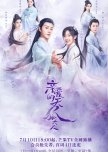
*Dear Mr. Heavenly Fox* is a light fantasy romance that blends Xiaoxia elements with a youthful, approachable tone. While the drama presents itself as sweet and comedic on the surface, its emotional core is far more tragic than it initially appears.
A major weakness of the narrative lies in the female lead’s character arc. Her repeated poor decisions are the direct cause of multiple deaths throughout the story, including the ultimate sacrifice of the male lead. Rather than being driven by unavoidable fate, many of these tragedies stem from her impulsiveness and lack of accountability. This significantly undermines audience sympathy and leaves a lingering sense of frustration, as the consequences borne by others—especially the male lead—are disproportionately severe.
In contrast, the male lead is the emotional anchor of the drama. His inherent goodness, moral integrity, and selflessness make him deeply endearing and quietly enchanting. He consistently chooses compassion, protection, and restraint, even when doing so leads to his own suffering. It is precisely this unwavering goodness that makes his fate especially heartbreaking and elevates his character far above the rest. His presence gives the drama its emotional weight and is the primary reason the story resonates at all.
The chemistry between the leads is present, but it is ultimately unbalanced due to the disparity in emotional maturity and responsibility. While the female lead’s liveliness adds energy to the early episodes, it is the male lead’s calm devotion and inner strength that leave a lasting impression.
Production-wise, the drama remains modest. Visual effects and costumes are simple but serviceable, and the pacing is generally smooth. The soundtrack supports the emotional tone without overpowering the scenes.
Overall, *Dear Mr. Heavenly Fox* is a drama with a gentle exterior but a troubling core. Viewers who value kind, principled male leads may find the Heavenly Fox unforgettable, but those sensitive to avoidable tragedy may find the female lead’s role in the deaths—especially that of the male lead—difficult to forgive.
===================================================
**Final Episodes & Ending Summary (Ep. 30):**
**1. Misunderstandings and Tragedy**
By the finale, the female lead (Qi Yuanbao) has been manipulated by a powerful evil spirit/demon. This spirit eventually causes her to unintentionally harm and kill multiple characters, including a close secondary male character and her own father’s spirit puppet. Her father—knowing her situation—absorbs the evil spirit into his own body and then asks the Heavenly Fox (Changyue) to kill him to destroy it. Changyue agrees on the condition that Yuanbao never learns the painful truth, because it would destroy her emotionally. Yuanbao, however, witnesses the act and believes Changyue *deliberately* killed her father and others.
**2. The Male Lead’s Sacrifice**
Believing she can never forgive him and overwhelmed by guilt and heartbreak, Changyue makes a dramatic decision: he tries to die in front of her so that she can “get revenge” or release her pain. Before dying, he leaves behind a *memory token* (usually a significant object linked to their past). When Yuanbao eventually discovers the true reason behind the deaths from that item—how her father sacrificed himself to protect her and how Changyue followed through on his promise—she realizes the painful truth too late.
**3. Yuanbao’s Despair and Changyue’s Return**
Heartbroken by all the truth and guilt over what she unintentionally caused, Yuanbao tries to end her life by jumping off a cliff. At that moment, Changyue’s *spirit* (or the remnants of his soul orb, depending on interpretation) saves her, pulling her back from death. Shortly afterward, it is implied that Changyue is somehow reborn or returns in some form—his spirit pearl appears and takes flight, and Yuanbao hears his call. The finale shows her smiling at that voice, suggesting hope for reunion or reincarnation rather than a peaceful life together in their original forms.
=====================================================
### 1. What REALLY caused all the deaths
* The **female lead (Qi Yuanbao)** was unknowingly manipulated by the evil spirit.
* While not acting with malicious intent, **her actions directly triggered the chain of deaths**, including innocent characters and ultimately her own father.
* Her father **voluntarily absorbed the evil spirit** to stop further destruction.
* He then **asked Changyue (ML) to kill him**, because that was the only way to destroy the spirit completely and save Yuanbao.
Key point:
👉 The tragedy was **avoidable**, but it happened because the truth was concealed “to protect her.”
### 2. Why the misunderstanding was never cleared
* Changyue agreed to the father’s request **not to tell Yuanbao the truth**, believing guilt would destroy her.
* Yuanbao **witnessed the killing without context** and concluded that Changyue had betrayed her.
* No one corrected this misunderstanding in time.
This is the emotional breaking point of the drama.
### 3. The male lead’s final choice
* Changyue **accepts being hated**, blamed, and rejected.
* He chooses to **sacrifice himself emotionally and spiritually**, believing Yuanbao needs closure more than he needs to live.
* His decision is driven entirely by:
* Responsibility
* Love
* Moral integrity
This is why viewers find him so **endearing and enchanting**—his goodness is consistent, quiet, and never self-serving.
### 4. When the truth is finally revealed
* Yuanbao later learns the full truth through the **memory object / spiritual remnant** Changyue left behind.
* She realizes:
* Her father chose death willingly
* Changyue carried out the act to save her
* **Her own actions were the root cause of everything**
By the time she understands, **it is too late to undo the damage**.
### 5. The final scenes — is Changyue really back?
This is where interpretations differ.
What is **explicitly shown**:
* Changyue’s **spiritual essence** appears.
* He **saves Yuanbao at her lowest moment**.
* She hears his voice and reacts with recognition and hope.
What is **NOT shown**:
* No full physical resurrection
* No clear reunion scene
* No shared mortal life afterward
### 6. So… is it a happy ending?
**Strictly speaking: No.**
It is a **“hope-implied ending”**, not a resolved one.
* Changyue’s **existence continues in some form** (spirit / rebirth implication).
* The drama **suggests** future reunion but refuses to show it.
* Emotional closure is partial, not complete.
For viewers who prefer **clear happy endings**, this ending feels **unsatisfying and unfair**, especially given:
* The ML’s unwavering goodness
* The avoidable nature of the tragedy
* The lack of accountability resolution for the FL
## Bottom line (very important)
* Changyue is one of those rare MLs whose **virtue is his defining trait**, not a plot device.
* The FL **caused the tragedy**, even if unintentionally.
* The ending rewards **moral purity with ambiguity**, not happiness.
This is why many viewers remember the Heavenly Fox fondly—but leave the drama feeling heavy.
*Dear Mr. Heavenly Fox* is a light fantasy romance that blends Xiaoxia elements with a youthful, approachable tone. While the drama presents itself as sweet and comedic on the surface, its emotional core is far more tragic than it initially appears.
A major weakness of the narrative lies in the female lead’s character arc. Her repeated poor decisions are the direct cause of multiple deaths throughout the story, including the ultimate sacrifice of the male lead. Rather than being driven by unavoidable fate, many of these tragedies stem from her impulsiveness and lack of accountability. This significantly undermines audience sympathy and leaves a lingering sense of frustration, as the consequences borne by others—especially the male lead—are disproportionately severe.
In contrast, the male lead is the emotional anchor of the drama. His inherent goodness, moral integrity, and selflessness make him deeply endearing and quietly enchanting. He consistently chooses compassion, protection, and restraint, even when doing so leads to his own suffering. It is precisely this unwavering goodness that makes his fate especially heartbreaking and elevates his character far above the rest. His presence gives the drama its emotional weight and is the primary reason the story resonates at all.
The chemistry between the leads is present, but it is ultimately unbalanced due to the disparity in emotional maturity and responsibility. While the female lead’s liveliness adds energy to the early episodes, it is the male lead’s calm devotion and inner strength that leave a lasting impression.
Production-wise, the drama remains modest. Visual effects and costumes are simple but serviceable, and the pacing is generally smooth. The soundtrack supports the emotional tone without overpowering the scenes.
Overall, *Dear Mr. Heavenly Fox* is a drama with a gentle exterior but a troubling core. Viewers who value kind, principled male leads may find the Heavenly Fox unforgettable, but those sensitive to avoidable tragedy may find the female lead’s role in the deaths—especially that of the male lead—difficult to forgive.
===================================================
**Final Episodes & Ending Summary (Ep. 30):**
**1. Misunderstandings and Tragedy**
By the finale, the female lead (Qi Yuanbao) has been manipulated by a powerful evil spirit/demon. This spirit eventually causes her to unintentionally harm and kill multiple characters, including a close secondary male character and her own father’s spirit puppet. Her father—knowing her situation—absorbs the evil spirit into his own body and then asks the Heavenly Fox (Changyue) to kill him to destroy it. Changyue agrees on the condition that Yuanbao never learns the painful truth, because it would destroy her emotionally. Yuanbao, however, witnesses the act and believes Changyue *deliberately* killed her father and others.
**2. The Male Lead’s Sacrifice**
Believing she can never forgive him and overwhelmed by guilt and heartbreak, Changyue makes a dramatic decision: he tries to die in front of her so that she can “get revenge” or release her pain. Before dying, he leaves behind a *memory token* (usually a significant object linked to their past). When Yuanbao eventually discovers the true reason behind the deaths from that item—how her father sacrificed himself to protect her and how Changyue followed through on his promise—she realizes the painful truth too late.
**3. Yuanbao’s Despair and Changyue’s Return**
Heartbroken by all the truth and guilt over what she unintentionally caused, Yuanbao tries to end her life by jumping off a cliff. At that moment, Changyue’s *spirit* (or the remnants of his soul orb, depending on interpretation) saves her, pulling her back from death. Shortly afterward, it is implied that Changyue is somehow reborn or returns in some form—his spirit pearl appears and takes flight, and Yuanbao hears his call. The finale shows her smiling at that voice, suggesting hope for reunion or reincarnation rather than a peaceful life together in their original forms.
=====================================================
### 1. What REALLY caused all the deaths
* The **female lead (Qi Yuanbao)** was unknowingly manipulated by the evil spirit.
* While not acting with malicious intent, **her actions directly triggered the chain of deaths**, including innocent characters and ultimately her own father.
* Her father **voluntarily absorbed the evil spirit** to stop further destruction.
* He then **asked Changyue (ML) to kill him**, because that was the only way to destroy the spirit completely and save Yuanbao.
Key point:
👉 The tragedy was **avoidable**, but it happened because the truth was concealed “to protect her.”
### 2. Why the misunderstanding was never cleared
* Changyue agreed to the father’s request **not to tell Yuanbao the truth**, believing guilt would destroy her.
* Yuanbao **witnessed the killing without context** and concluded that Changyue had betrayed her.
* No one corrected this misunderstanding in time.
This is the emotional breaking point of the drama.
### 3. The male lead’s final choice
* Changyue **accepts being hated**, blamed, and rejected.
* He chooses to **sacrifice himself emotionally and spiritually**, believing Yuanbao needs closure more than he needs to live.
* His decision is driven entirely by:
* Responsibility
* Love
* Moral integrity
This is why viewers find him so **endearing and enchanting**—his goodness is consistent, quiet, and never self-serving.
### 4. When the truth is finally revealed
* Yuanbao later learns the full truth through the **memory object / spiritual remnant** Changyue left behind.
* She realizes:
* Her father chose death willingly
* Changyue carried out the act to save her
* **Her own actions were the root cause of everything**
By the time she understands, **it is too late to undo the damage**.
### 5. The final scenes — is Changyue really back?
This is where interpretations differ.
What is **explicitly shown**:
* Changyue’s **spiritual essence** appears.
* He **saves Yuanbao at her lowest moment**.
* She hears his voice and reacts with recognition and hope.
What is **NOT shown**:
* No full physical resurrection
* No clear reunion scene
* No shared mortal life afterward
### 6. So… is it a happy ending?
**Strictly speaking: No.**
It is a **“hope-implied ending”**, not a resolved one.
* Changyue’s **existence continues in some form** (spirit / rebirth implication).
* The drama **suggests** future reunion but refuses to show it.
* Emotional closure is partial, not complete.
For viewers who prefer **clear happy endings**, this ending feels **unsatisfying and unfair**, especially given:
* The ML’s unwavering goodness
* The avoidable nature of the tragedy
* The lack of accountability resolution for the FL
## Bottom line (very important)
* Changyue is one of those rare MLs whose **virtue is his defining trait**, not a plot device.
* The FL **caused the tragedy**, even if unintentionally.
* The ending rewards **moral purity with ambiguity**, not happiness.
This is why many viewers remember the Heavenly Fox fondly—but leave the drama feeling heavy.
Was this review helpful to you?


