
 News


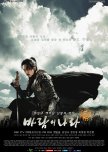
Similarities:
Both explore royal succession, political conspiracies, and military conflicts.
Both feature powerful kingdoms competing for dominance.
Both portray princes struggling with their responsibilities and political destiny.
Both combine historical warfare with personal relationships and loyalty.
Differences:
Sword & Silence focuses on the unification of the Three Kingdoms.
The Kingdom of the Winds follows Prince Muhyul, who becomes King Daemusin of Goguryeo.
The Kingdom of the Winds places greater emphasis on royal destiny, prophecy, and personal sacrifice.
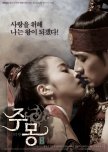
Similarities:
Both depict the rise and expansion of ancient Korean kingdoms.
Both feature royal rivalries, political marriages, betrayals, and military alliances.
Both explore the challenges of establishing a powerful and unified state.
Both feature ambitious rulers and influential military commanders.
Differences:
Sword & Silence takes place during the seventh-century struggle between Silla, Baekje, and Goguryeo.
Jumong follows the legendary founder of Goguryeo.
Jumong focuses on the birth of a kingdom, whereas Sword & Silence focuses on the collapse and unification of existing kingdoms.
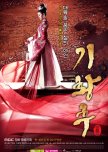
Similarities:
Both feature complicated royal politics and struggles for political dominance.
Both explore strategic marriages, alliances, betrayal, and manipulation.
Both portray ambitious characters navigating dangerous royal courts.
Both show how personal relationships can influence the fate of kingdoms and empires.
Differences:
Sword & Silence focuses on the unification of the Korean Three Kingdoms.
Empress Ki takes place during the Goryeo period and the Yuan Dynasty.
Empress Ki places much greater emphasis on romance, palace intrigue, and the rise of a woman to imperial power.
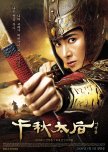
Similarities:
Both explore political conspiracies, foreign invasions, and struggles to protect national sovereignty.
Both feature powerful military commanders and influential royal figures.
Both portray the conflict between internal political factions and external enemies.
Both emphasize the relationship between leadership, warfare, and national survival.
Differences:
Sword & Silence takes place during the seventh-century Three Kingdoms period.
The Iron Empress is set during the Goryeo Dynasty and follows Empress Cheonchu.
The Iron Empress focuses more on royal politics and the role of a powerful female ruler.

Similarities:
Both portray ruthless political struggles and conflicts over royal authority.
Both explore the relationship between military power and political legitimacy.
Both feature betrayals, rebellions, and struggles between powerful political factions.
Both depict leaders who must make difficult decisions to secure their kingdoms.
Differences:
Sword & Silence focuses on the unification of the Three Kingdoms and Silla's struggle against Tang.
The King of Tears, Lee Bang-won focuses on the establishment of Joseon and the rise of Yi Bang-won.
The latter places greater emphasis on family conflicts, royal succession, and internal political purges.

Both depict the fall of Goguryeo and the political consequences of its collapse.
Both explore military leadership, political alliances, and struggles for national independence.
Both feature conflicts involving the Tang Dynasty.
Both portray the rise of powerful leaders during periods of political instability.
Differences:
Sword & Silence focuses on Kim Beop-min (King Munmu) and Silla's unification campaigns.
Dae Jo Yeong follows the historical figure Dae Jo-yeong and the founding of Balhae.
Sword & Silence emphasizes Silla's expansion, while Dae Jo Yeong focuses on the resistance against Tang and the birth of a new kingdom.
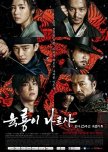
Similarities:
Both feature intense political power struggles.
Both explore the relationship between military power and political authority.
Both include betrayals, strategic alliances, ambition, and political manipulation.
Both portray the formation of a new political order through conflict and bloodshed.
Differences:
Six Flying Dragons follows the establishment of the Joseon Dynasty and the rise of Yi Bang-won.
Sword & Silence explores the Silla period and the unification of the Three Kingdoms.
Six Flying Dragons focuses more on political philosophy, ideological conflicts, and the foundations of a new dynasty.
Sword & Silence focuses more on military campaigns, territorial expansion, and foreign intervention.


Secret identities
resistance movements
dangerous missions,
action and romance during the Japanese occupation of Korea.
resistance movements
dangerous missions,
action and romance during the Japanese occupation of Korea.

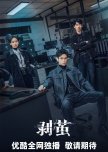
Both feature crime investigation and mystery as the main focus.
The protagonists have a strong ability to analyze crimes and reconstruct what really happened.
Cold cases and unresolved incidents from the past become connected to new crimes.
The stories reveal the truth piece by piece, keeping the audience guessing.
Both have a dark, serious and suspenseful atmosphere rather than a lighthearted crime tone.
The characters are personally connected to the cases, making the investigations emotionally intense as well as intellectually challenging.
Both explore themes of justice, human nature, sacrifice, and the psychological side of crime.
The biggest similarity: in both dramas, solving a crime is only the beginning—the investigation gradually uncovers a much deeper truth hidden beneath the surface.
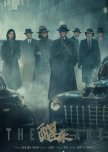

Republican-era China
Shanghai/wartime atmosphere
Spy networks
Secret missions
Investigation
Betrayal & suspense
Romance
If what you love about The Awake is its serious and realistic espionage atmosphere, definitely try this one.
Shanghai/wartime atmosphere
Spy networks
Secret missions
Investigation
Betrayal & suspense
Romance
If what you love about The Awake is its serious and realistic espionage atmosphere, definitely try this one.


Similarities to The Early Spring:
Both focus on a mature, understated romance rather than a very youthful love story.
The leads are adults with established lives, responsibilities, and personal problems.
The relationship develops slowly and naturally, without rushing into romance.
A major part of the attraction comes from care, understanding, patience, and emotional support.
The ML is calm, reliable, emotionally mature, and protective without being overly controlling.
The FL has her own insecurities and struggles, and the romance develops as she gradually becomes more comfortable with herself and with him.
Both dramas emphasize small gestures and everyday intimacy rather than relying exclusively on dramatic romantic scenes.
The leads become each other's source of comfort and emotional security.
There is a strong feeling of two adults choosing each other after understanding each other's vulnerabilities, rather than simply falling in love because the plot says so.
Both have a relatively realistic and grounded emotional atmosphere, especially compared with more exaggerated romance C-dramas.
The relationship is built around trust, respect, communication, and companionship.
The romance also allows both characters to grow emotionally, rather than one character completely changing for the other.

Similarities to The Early Spring:
Both feature successful, ambitious adults who already have established careers and goals.
The FL is independent, confident, and professionally successful, rather than being defined solely by her relationship.
The ML is highly capable, intelligent, accomplished, and somewhat reserved.
Both romances have a relatively slow and natural development, with the characters gradually becoming closer.
Their attraction grows alongside mutual respect and admiration.
Neither relationship feels like an instant, unrealistic obsession. The leads have to reconnect, understand each other, and gradually rebuild their emotional connection.
Both dramas give considerable attention to the characters' individual lives and careers outside the romance.
There is a strong sense of adult companionship—the leads genuinely enjoy talking to each other and understand each other's ambitions.
The romance is relatively low on unnecessary melodrama and focuses more on emotional connection and compatibility.
Both show how a relationship can develop when two people are supportive of each other's dreams instead of competing with them.


