
 News


 1


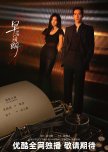
A series doesn't have to be perfect to be deeply loved! ❤️
The Early Spring🥛🌼Some dramas become more than just a story; they become an experience you want to return to. The Early Spring was exactly that for me. As my first modern Chinese romance drama, it was a wonderful introduction to a whole new side of Chinese storytelling. ❤️
I was captivated from the beginning. The engaging story, fast pacing, unexpected developments, wonderful performances, exceptional chemistry, humour, emotional depth and beautiful production kept me invested throughout. The romance felt alive, with a lovely balance of passion, tenderness and playfulness. I can easily imagine returning to this drama again. It left me with a lasting affection for its characters and made my first modern Chinese romance an experience I will always remember... 💯
Jing Boran was captivating as Luke, bringing charisma, subtle expressions and surprising tenderness to a character full of confidence and flaws. Sun Qian was equally important as Flora. An excellent casting choice, she brought expressiveness, presence and warmth to the role, while her chemistry with Jing Boran made their relationship convincing and emotionally engaging. Both actors contributed something essential to the couple.
The drama's distinctive aesthetic was another highlight. The cinematography, music, great OST, sound design, elegant opening and ending sequences, and carefully crafted visual details created a cohesive, polished and modern atmosphere. I even found myself watching the opening and ending animations every single time, something I rarely do!
Learning about Jing Boran's personal creative contributions made me appreciate the drama even more. He brought over 200 pieces from his own wardrobe and accessories collection for the role, took an active part in Luke's styling, and contributed his handwriting to the episode title cards and other details. The calligraphy Jing Boran Font was a particularly lovely and unexpected touch. I also enjoyed how Luke's wardrobe evolved alongside his feelings, making his character development visible through his changing style. Jing Boran's personal involvement in Luke's appearance gave the character an additional layer of individuality.
I loved the memorable little details, too. Luke's aquarium, in particular, felt like it had a story of its own. The solitary white Butterfly Koi fish becomes a kind of silent protagonist, reflecting Luke's isolation and emotional reserve. Near the end, Luke adds an orange fish of the same kind, a small but meaningful visual change that suggests his growing willingness to share his carefully controlled world.
The aquarium imagery also carries a more intimate resonance. The classical Chinese literature expression 鱼水之欢 (yú shuǐ zhī huān), literally “the joy of fish and water,” is a traditional euphemism for sexual intimacy. Against this cultural background, the recurring images of the fish and the water, includes simbolism. Rather than spelling everything out through dialogue, the drama allows these images to convey intimacy in a quiet, poetic way. I love how such details can enrich the story and a romance beyond the couple's conversations and intimate scenes. 💞
The beautiful interiors and art pieces, the fluffy white dog who is also named Luke, and all the funny moments that balance the passionate romance all added to the drama's charm. The road trip through Tibet offered wonderful glimpses of China's landscapes and culture. And then, there was buffalo milk with osmanthus, gives comfort and love to Flora from Luke. That act, together with that little yellow flower, became an unforgettable trend and now my own personal symbols of this drama. 🥛🌼
Yet, this was very much a team achievement. The director, writers, cast and production teams all contributed to the drama's distinctive identity and overall quality.👏🏻
The series does have some weaknesses, particularly in its final episodes, where certain transitions and developments feel rushed and insufficiently explained. Still, these shortcomings never overshadowed what the drama achieved as a whole.
I'm simply happy I watched it and had such a wonderful time! A series doesn't have to be perfect to be deeply loved! ❤️
PS. Thank you Netflix for making an exception and you add this C Drama on my region! 🙏🏻😊
Was this review helpful to you?
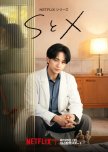
SεX surprised me in the best possible way!
Α Masterpiece!I was initially drawn to its bright, romantic-looking poster and the fact that it was only seven episodes, without really knowing what to expect. What I found was a warm, intelligent and beautifully balanced series!
The subject of sex therapy could easily have been treated in a crude or overly provocative way, but S&X does the opposite. It approaches sexuality in a thoughtful and surprisingly scientific way, while keeping the story light, funny, romantic and very human. The dialogues are particularly well written and are used not only to explain the issues, but to move the story forward and reveal the characters.
What I appreciated most was the message at the heart of the series: everyone can have questions, insecurities or difficulties related to sex. No one should feel strange, ashamed or alone because of them, and asking for professional help should not be a taboo. Even the sex therapist himself has his own personal struggle, which makes the message even more meaningful.
I sincerely hope that this series will encourage people who are struggling with similar issues to seek professional help, while also raising awareness about the importance of better and more open sexual education.
Nobody is presented as perfect, and the series also cleverly touches on people who exploit insecurities. It shows that behind these issues there are real people, with fears, vulnerabilities and emotions.
Beyond the story itself, I loved the bright atmosphere and aesthetic of the series! It managed to address serious social issues without ever becoming heavy or preachy. At the same time, it gave me a small window into aspects of contemporary Japanese society and the difficulties surrounding open conversations about sexuality.
A warm, thoughtful and genuinely enjoyable series, with a very satisfying and optimistic ending. I finished all seven episodes feeling that I had watched something entertaining, but also something that had a purpose.
Was this review helpful to you?
This review may contain spoilers
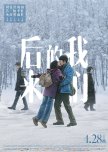
Later, We Had Everything, but We No Longer Had Each Other.
Us and Them 后来的我们, is one of those films that reminds me why cinema can be so much more than a story being told. It is a beautifully crafted, deeply moving film that combines emotional depth with thoughtful direction, expressive cinematography, and a screenplay rich in meaning. I went into it without expecting to be so profoundly affected, and it turned out to be an exceptional experience. 💯
What impressed me most was how naturally the film develops its characters and their relationship. The story revolves around familiar themes of love, ambition, missed opportunities, and the passage of time, but its strength lies in the execution and the details. Feelings emerge through everyday moments, silences, gestures, and the things its characters cannot quite say to each other. The result feels honest and painfully human.
Jing Boran and Zhou Dongyu are wonderful together. Their chemistry feels effortless, and their performances capture both the warmth of falling in love and the complicated emotions that remain when two people have grown apart. Their expressive faces and subtle reactions make the relationship believable, giving its tender moments warmth and its painful ones real weight.
The cinematography and direction are among the film's greatest strengths. The beautiful snow-covered landscapes, the carefully composed exterior shots, and the contrast between the colourful memories of the past and the black and white present create a distinctive visual atmosphere. The colour choices are not merely aesthetic: they reflect the characters' emotional worlds and connect directly with the story of the video game. The editing, visual composition, and restrained use of silence work together to let images convey what dialogue cannot. The result is a film whose visual beauty serves its storytelling rather than simply decorating it.
The black and white video game, is one of the film's most meaningful details. Jianqing explains that, if Ian never finds Kelly, the world will lose its colours. The game becomes a deeply personal expression of his relationship with Xiaoxiao, giving shape to feelings and hopes he struggles to communicate directly. When Xiaoxiao eventually discovers the message, “Sorry, Ian will always love Kelly,” the story within the game takes on a new meaning. It preserves something of their shared past, while its ending expresses a love that remains even when life has taken them in different directions. I found this connection between the game's narrative and the film's visual symbolism particularly moving.
Another detail I loved is the recurring phrase, “Pick the stars from the sky and bring pearls from the ocean.” Its Chinese counterpart, 上九天揽月,下五洋捉鳖, literally evokes reaching into the heavens to seize the moon and descending into the oceans to catch turtles. It is an extravagant expression of attempting the seemingly impossible, while the film's English subtitles give it a more romantic, poetic image. The phrase becomes especially meaningful when the two characters meet again years later and finally say goodbye. What once expressed the boundless promises of love becomes a wish for the other's happiness, even when they can no longer share a life. The words remain, but time has changed their meaning.
One of the film's most heartbreaking moments comes when a small, unexpected interruption by a phonecall, changes the meaning of a seemingly hopeful encounter. I was still hoping for reconciliation when the reality of their lives apart became impossible to ignore. The scene is devastating precisely because it does not need an elaborate explanation; one small detail is enough to change everything.
The story also explores the painful contrast between what we achieve in life and what we may lose along the way. Its central sentiment is captured perfectly in the line:
“Later, we had everything, but we no longer had each other.”
For me, this is the emotional heart of the film. Success and stability cannot necessarily replace the people and moments we have lost. Sometimes, we only fully understand the value of what we had when it is no longer possible to return to it.
I was equally moved by the tenderness and restraint in the relationship between Jianqing and his father. His father's understanding, the truths he chooses not to expose, and the love expressed through his letter reveal a quiet, unconditional affection. Jianqing only fully understands this after his father's death, adding another painful dimension to the film's exploration of love, family, and things understood too late.
I cried, and the film left me with a knot in my throat, but my appreciation goes far beyond its ability to make me emotional. What makes it exceptional for me is the way its screenplay, performances, visual storytelling, and carefully placed details reinforce one another. It reminded me that originality does not always require an unfamiliar premise. A familiar story can become something extraordinary when it is told with this much care, sincerity, and artistic intention.
Us and Them was an unexpectedly powerful experience for me, and one of the most moving films I have watched in a long time.
10/10. ❤️
P.S. Don’t skip the end credits. They include heartfelt messages from real people to those they love—words of love, regret, and things left unsaid. It’s a beautiful extension of the film’s central message, reminding us that these feelings exist far beyond the screen.
Was this review helpful to you?
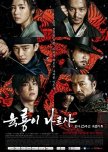
A masterpiece of historical storytelling, with unforgettable characters and performances.
An exceptional historical drama that delivers on every level: writing, direction, character development, emotional depth, and acting.What makes this series truly special is that it is not only a story about the creation of Joseon, power struggles, and politics. It is a story about different visions for the future of a nation, the people who shaped history, and the sacrifices behind great changes.
The writing is outstanding, with complex characters who are neither simply good nor bad. Each person has their own beliefs, motivations, struggles, and reasons for the choices they make. This makes the story feel deeply human and allows the audience to understand different perspectives.
The entire cast delivered excellent performances and brought these historical and fictional characters to life with great intensity and sincerity. However, six performances were especially memorable for me.
Yoo Ah-in’s portrayal of was truly exceptional. I will never forget this acting performance! 👏🏻 He captured the intelligence, ambition, emotions, inner conflicts, and transformation of this historical figure in an unforgettable way. He did not only portray a future king, but the human being behind the historical reputation. His ability to show both the strength and vulnerability of Yi Bang-won made this one of the most fascinating characters I have encountered.
Byun Yo-han as Lee Bang-ji (“Viper”) was another outstanding performance. He was not just a legendary swordsman; he was a deeply wounded and complex person. His intensity, emotional expression, and ability to communicate so much through his eyes and silence made him one of the most memorable characters of the series.
Park Hyuk-kwon also deserves special recognition for his remarkable performance as the twin brothers Gil Tae-mi and Gil Seon-mi. Playing two completely different personalities, he showed an impressive range as an actor. As Gil Tae-mi, I absolutely loved his theatrical style, his humor, his expressive acting, and even his unique makeup and appearance, which perfectly matched the character’s extravagant personality. He brought a playful and entertaining energy to the screen while still portraying a truly skilled and dangerous swordsman.
On the other hand, as Gil Seon-mi, he created a completely different atmosphere, showing a much more restrained, quiet, and introspective character with great emotional depth. The contrast between the two roles was fascinating, and his ability to transform so convincingly into two completely different personalities made both characters unforgettable.
I also want to give special recognition to the two young actors who portrayed Yi Bang-won and Bun-i in the early episodes. Their performances were full of energy, intelligence, and emotion. They created such a strong foundation for these characters that their later development felt even more meaningful.
These six performances stayed with me the most and made this journey unforgettable.
A masterpiece of historical storytelling, with unforgettable characters and performances. One of the best sageuks I have watched. ❤️💯
Was this review helpful to you?
This review may contain spoilers
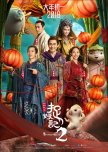
Family doesn't always have to take the form we expect!
Another wonderful surprise! Monster Hunt 2 brought back everything I loved about the first film, while offering even more action as the story developed. It was another delightful fantasy adventure, full of humour, imaginative creatures, spectacular visual effects, great music, and heartwarming moments. 😊
Huba is once again absolutely adorable! 🥹 But what touched me most was the story of the family he brought together and how their bond grows even stronger in this sequel. I loved the message that family doesn't always have to take the form we expect. Sometimes, the most extraordinary bonds develop in the most unexpected circumstances, and love can turn people who never imagined becoming a family into one.
I particularly enjoyed seeing how fatherhood changes Song Tianyin (Jing Boran). In the first film, he is vulnerable, awkward, and often in need of Xiaolan's protection. Here, his regret over giving Huba away and how much he misses his little boy motivate him to grow stronger and become more determined to protect both his partner, Huo Xiaolan (Bai Baihe), and their child. Meanwhile, Huba proves that he is much more than an adorable little creature who needs rescuing, helping in the fight in his own special way. Their love makes them stronger together, while Tu Sigu (Tony Leung) also discovers, through Huba, how precious his own unusual little family with BenBen and the other monsters is. This connection helps motivate him to protect Huba, and his funny yet valuable contribution becomes an important part of the rescue and the final battle. Seeing everyone work together and Huba finally reunited with his parents was truly heartwarming. ❤️
The production was wonderful once again. The imaginative fantasy world, anime-inspired elements, digitally created creatures, visual effects, and music all contribute to the film's distinctive charm. The cast brings the characters to life beautifully, while the combination of action, comedy, and tenderness keeps the story entertaining and full of energy.
I discovered these films while exploring Jing Boran's filmography, and the popularity of Monster Hunt in China also made me curious to watch the first one. I ended up loving both films! Monster Hunt 2 was just as enjoyable as its predecessor, giving me more of the imaginative fantasy, funny moments, action, and emotional warmth that made me fall in love with this world in the first place.
A charming, imaginative, and heartwarming adventure about love, courage, and the family we choose and create. Another wonderful experience with Tianyin, Xiaolan, Huba, and their adorable monster friends and another well deserved 10/10! ❤️
Was this review helpful to you?
This review may contain spoilers
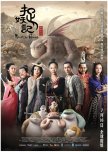
Monster Hunt was far more than I expected!
What a wonderful and unexpected surprise! Monster Hunt turned out to be a delightful fantasy adventure, with an original story, a fast-moving plot, plenty of action, and genuinely funny moments. 😊
What I loved most was the unusual combination of comedy, tenderness, fantasy, and emotion. Huba is absolutely adorable, and the hilarious, unexpected way he comes into the world is one of the film’s most memorable touches: the male protagonist, Song Tianyin (Jing Boran), somehow ends up pregnant and gives birth to this adorable little creature! The bond between Huba and his dad, Tianyin, is both funny and heartwarming, giving the adventure a lovely emotional core.
I also really enjoyed the dynamic between the two leads. Tianyin is vulnerable, awkward, and funny, often finding himself in need of protection, while Huo Xiaolan (Bai Baihe) is strong, capable, and the one who protects him. This reversal of familiar gender roles gives their relationship a refreshing charm. Instead of the usual heroic man rescuing a woman, we get a different kind of partnership, with a strong female lead and a more vulnerable male character. They are adorable and hilarious together, and they make such a lovely, funny couple as Huba’s parents, too! 💕 I was also deeply touched by the message that family is not always what we expect it to be, and that we can choose and create our own family, even when it comes about in the most unexpected way.
The visual effects and anime-inspired elements were another pleasant surprise. The blend of live-action performances and digitally created creatures brings this imaginative world to life and gives the film its own distinctive character. The cast does a wonderful job, and the music is also great, adding to the film’s charm and emotional impact.
I discovered this movie while exploring Jing Boran’s filmography, and its popularity in China also made me curious to watch it. I ended up loving the entire experience! Funny, tender, imaginative, and full of adventure, Monster Hunt was far more than I expected.
A truly delightful surprise that deserves every bit of my 10/10! ❤️
Was this review helpful to you?
This review may contain spoilers
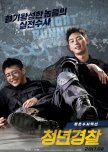
A Hilarious Ride with Heart and Substance ❤️
I had such a great time watching this film! Midnight Runners is an incredibly entertaining action comedy that made me laugh far more than I expected. Its greatest strength lies in the fantastic chemistry between Park Seo-joon and Kang Ha-neul. I already knew Park Seo-joon was excellent at comedy, but Kang Ha-neul was a very pleasant surprise. Their contrasting personalities, reactions, and comedic timing make their partnership feel natural and genuinely funny. The humour grows out of their characters and the situations they find themselves in, rather than relying solely on inserted jokes.😂
The screenplay keeps things moving with a brisk pace, combining comedy, action, suspense, and a serious underlying story. Although some plot developments follow familiar and predictable genre conventions, they never significantly diminished my enjoyment. The film knows how to keep its audience engaged, and its energetic storytelling makes it difficult to lose interest.
What I particularly appreciated was the substance beneath all the humour. Beyond the chaotic adventures of two inexperienced police cadets, the film addresses institutional indifference, social responsibility, and the courage to act when others fail to do so. The protagonists may be inexperienced and often hilariously out of their depth, but their determination to help someone in danger gives the story its emotional core. The contrast between their comic mishaps and the seriousness of the situation works surprisingly well.
However, the film is not without its shortcomings. Its portrayal of the Chinese-Korean community raises legitimate concerns about stereotyping, particularly when criminal activity becomes so closely associated with a particular ethnic group. A film can address genuine social problems without creating the impression that an entire community is defined by them. This was an aspect I found problematic, even though I appreciated the film's broader criticism of institutional inaction.
Nevertheless, these reservations did not overshadow what the film does so well. The comedy is lively, the action keeps the story moving, and the two leads are a delight to watch together. Most importantly, the film manages to entertain while giving its audience something meaningful to think about.
Midnight Runners is much more than a series of funny situations and action sequences. It is a highly enjoyable buddy comedy with heart, energy, and a social conscience. I laughed a lot, was thoroughly entertained, and came away appreciating both its humour and its underlying message.
A very strong 9–9.5/10 from me!❤️
Was this review helpful to you?
This review may contain spoilers
An absolute gem! “How can being yourself possibly be a weakness?”
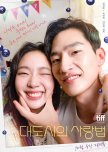
What an incredible cinematic surprise! Love in the Big City exceeded all my expectations with its excellent screenplay, direction, performances, and beautifully developed story. Engaging and fast-paced, full of life and humour, it explores difficult social issues without ever losing its warmth or becoming unnecessarily heavy. The narrative feels rich and purposeful, with a natural flow that keeps you invested in the characters and their journey.
Through two people who face different forms of social prejudice, the film explores the freedom to live authentically: his right to be himself as a gay man, and her right to explore her sexuality and make her own choices without being judged. Both challenge society’s expectations in their own ways, revealing the emotional cost of having to hide who you are simply to be accepted.
“How can being yourself possibly be a weakness?”
This question captures the heart of the film. Being yourself should never be something to apologise for. Freedom, self-acceptance, and the ability to live without fear of judgment are essential to our psychological well-being. The film conveys this message not through preaching, but through the characters’ experiences and, above all, their friendship.
Their relationship is beautifully portrayed: intimate, imperfect, full of life, and deeply meaningful without needing to become romantic. It shows how precious it is to have someone who accepts you as you are, stands beside you, and gives you the freedom to be yourself. Interestingly, the opening scene, with the two of them dressed as bride and groom and their matching initial tattoos, even made me wonder whether they might eventually fall in love!
What impressed me most was how naturally the film balances substance with entertainment. The writing, direction, and performances work together to create an authentic, emotionally engaging story that never sacrifices its rhythm or humour. A wonderful reminder that love takes many forms, and that the freedom to be ourselves is priceless.
A truly authentic and thoroughly enjoyable crafted film with substance, heart, and a wonderful sense of rhythm. It challenges social expectations without sacrificing its entertainment value, with excellent storytelling, leaving you with a powerful reminder that the freedom to be yourself is priceless. An absolute gem and a well-deserved 10/10!
Was this review helpful to you?

This review may contain spoilers
Korean street food in Mexico
I really enjoyed the first season of Jinny’s Kitchen. Set in Bacalar, Mexico, it introduced Korean street food in the beautiful atmosphere of a seaside resort. The menu featured gimbap, ramyeon, tteokbokki, Korean corn dogs, Korean fried chicken, chibap, bulgogi rice, spicy pork rice and yakgwa. The restaurant’s design suited its Mexican surroundings beautifully, and both the atmosphere and the service made the experience enjoyable to watch.One of the best aspects was the team itself. Everyone brought something unique, and their individual contributions came together to create a great result. Jung Yu-mi and Park Seo-joon were like professional chefs, handling their responsibilities with impressive skill and efficiency. Preparing food for so many customers under pressure was no easy task, yet they worked incredibly hard and maintained a high standard throughout.
I was particularly impressed by V. Although he wasn’t accustomed to cooking at home, he took on a variety of tasks in the kitchen, from preparing corn dogs and frying chicken to making sauces. He did much more than general kitchen chores; he actively participated in preparing the food and proved capable of handling the challenge. He worked hard, learned quickly and managed the demanding workload without much complaining. I thought he did remarkably well!
Woo-shik was another highlight for me. Beyond promoting the restaurant on the beach to attract more customers, he was an excellent waiter. He welcomed guests warmly, communicated with them confidently in English and quickly learned enough Spanish to interact with them as well. Despite his naturally shy personality, he proved charismatic and very capable in the dining area. His ability to connect with customers made him particularly enjoyable to watch.
Lee Seo-jin also deserves recognition. As the restaurant’s owner and the face of its logo, he was always smiling, organised and attentive to both the business and the customers. He helped coordinate the team and contributed significantly to the restaurant’s smooth operation. Together, the members created an impressive team dynamic, even under considerable pressure.
The customers’ reactions made the experience even more enjoyable, and I often found myself wishing I could try all those dishes myself!
My main criticism is the format. Too much time is devoted to the same daily routine: customers placing orders, food being prepared and served, and customers reacting to the dishes. Although these moments are interesting, the repetition becomes excessive over so many episodes. I would have preferred more opportunities for the team to explore Mexico, discover local attractions and enjoy experiences outside the restaurant. A lighter schedule, proper time off and more room for spontaneous interactions would have made the show even more entertaining. Recipe cards showing ingredients and quantities would also have been a wonderful addition, allowing viewers to recreate the dishes at home.
There were funny moments, both among the team and in their interactions with customers, but not nearly as many as in other Na PD productions that have made me laugh out loud. This wasn't because the members lacked humour or chemistry. Rather, the demanding workload seemed to leave them with little energy for the relaxed, playful moments I would have loved to see more often. I admired their professionalism, but I also felt that they deserved more opportunities to relax and enjoy themselves.
Nevertheless, the team did an excellent job. The combination of Korean street food, the Mexican setting and the members’ chemistry made this a very enjoyable season. I simply wish the show had offered a better balance between running the restaurant and enjoying the travel experience.
9/10
Was this review helpful to you?
Good, impressive, but not quite complete.
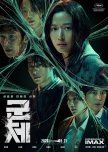
I enjoyed this but I was expecting more. It’s a well-made zombie movie with very good direction, impressive action and excellent zombie effects. The action is almost relentless, and there are some really well-executed sequences that kept me entertained throughout.
What impressed me most, though, was the way the zombies move. Their movements almost felt like a choreographed dance, especially when they act collectively. The way they communicate and gradually show a kind of collective intelligence was also one of the most interesting ideas in the film. I honestly found the zombies more fascinating than some of the human characters.
Ji Chang-wook was very good, as always. I particularly enjoyed watching his physical performance during the action scenes, but I also wanted more from his character and especially from his relationship with his sister. I felt that there was more emotional material there that the film simply didn’t have enough time to develop. The other also actors were all good, especially koo kyo Hwan tne crazy scientist.
This was, where I felt, the film lost some points for me. There were things in the middle and towards the ending that I wasn’t completely sure about, and I was left wondering what exactly happened to him in the end. Some of the government discussions about how to deal with the situation also didn’t interest me nearly as much as the action and the zombie storyline.
I also felt that the movie was caught between two identities. It had some genuinely interesting ideas that could have supported a more thoughtful, science-fiction approach, but at the same time it clearly wanted to be a fast, entertaining zombie action movie. The action side worked extremely well for me; I just wish the more cerebral side had been developed with the same care.
Overall, I had a good time watching it. The direction, action, visual effects and especially the unusual zombie movement and behaviour made it worth watching. I just wanted stronger character development and a few more answers.
A good and entertaining zombie movie, with some genuinely impressive ideas — but not quite as complete as it could have been. 8/10. 🧟♂️🔥
Was this review helpful to you?
Yoo Ah-in is extraordinary!!! A Masterpiece film!!!
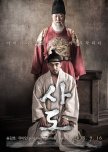
I honestly don’t know what words could do justice to The Throne.❤️
The music is magnificent, the production is beautiful, and the direction, cinematography, makeup and writing are all outstanding. Every element works together perfectly to create something powerful, beautiful and deeply moving.
But above all, the male ledin actor, Yoo Ah-in is a legend of acting!
I cannot imagine a better actor for the role of Crown Prince Sado. What he does here is incredibly difficult. He doesn’t simply portray madness or emotional breakdown through dramatic outbursts. You can see his character’s psychological state changing in his eyes, his breathing, his posture, the way he moves and speaks, even in the moments when he barely does anything at all.
He doesn’t just play a man who is losing himself. He shows the process of a person gradually losing himself. And that requires extraordinary control. If he had gone too far, the character could have become exaggerated or theatrical. If he had held back too much, the tragedy would have lost its power. Instead, Yoo Ah-in finds that incredibly difficult balance and lets the transformation unfold through his entire face and body.
This is also what makes the film itself so powerful.
The Throne is not simply interested in portraying Sado as a historical “monster” or in focusing on his terrible actions. Instead, it is much more interested in how he came to become this person. It shows the path that leads to his destruction and invites us to look at the human being behind the historical figure.
The film explores what can happen when a person desperately needs love, acceptance and understanding but instead encounters rejection, fear, impossible expectations and harshness.
There is something deeply tragic in the relationship between father and son: Sado needs a father, while Yeongjo continually sees the Crown Prince. Perhaps kings, cannot always be the fathers, their children need...
And this is where the film becomes much more than a historical story. It speaks about human behaviour, parenthood, love, rejection and the devastating consequences of cruelty. Bad parenting and harshness can destroy people and spread nothing but toxicity and sorrow.
What I especially appreciate is that the film does not need to explain all of this to us. It tells us through the performances, the direction, the images, the music and the relationship between these characters. It simply lets us watch the tragedy unfold.
Song Kang-ho is also outstanding as King Yeongjo, and the performances of the two together are phenomenal!
Beautifully directed, beautifully shot and exceptionally performed, The Throne left me completely overwhelmed!
Yoo Ah-in is extraordinary! The film is extraordinary
10+/10 — A MASTERPIECE!!!! 👏🏻❤️
Was this review helpful to you?
This review may contain spoilers
A Gripping Mystery That Challenges Every Judgment
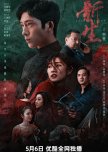
An intelligently constructed mystery with compelling characters, excellent performances, and a story that stays with you long after the final episode. 💯Regeneration is a remarkably engaging series that gradually transforms the way we perceive its central character. Through multiple perspectives, conflicting accounts, and carefully placed revelations, it builds a complex portrait of a man whose identity seems to change with every new piece of information. The result is a gripping narrative that keeps you questioning not only what really happened, but also how well we can ever know another person. ❤️
The storytelling is one of the series’ greatest strengths. The different narrators bring their own experiences, biases, and interpretations, allowing the same person and events to be viewed from entirely different angles. Rather than simply repeating information, these shifting perspectives continually reshape our understanding of the story. The revelations are well integrated into the narrative, and the gradual reconstruction of the truth makes the mystery genuinely absorbing. The writing and editing work together effectively, maintaining suspense while connecting the different accounts into a coherent whole.
Jing Boran delivers a particularly impressive performance as Fei Ke. He has a naturally aristocratic presence that makes his character convincing in his more successful and sophisticated persona, but his performance goes beyond appearance and charisma. His expressions, eyes, and subtle changes in demeanour convey layers of emotion beneath the surface. Fei Ke is a fascinating character precisely because he cannot be reduced to a single definition. As the story unfolds, our perception of him becomes increasingly complicated, and Jing Boran gives this transformation considerable depth.
The supporting cast also deserves recognition. Each character contributes something meaningful to the mystery, and the different perspectives make them more than mere instruments for revealing the truth. Their accounts expose not only different sides of Fei Ke but also aspects of their own personalities, motivations, and moral choices. This adds another dimension to a story concerned with deception, ambition, survival, and the distance between appearances and reality.
The production is polished and visually appealing. The direction, cinematography, editing, and overall presentation complement the storytelling without distracting from it. The contemporary settings and wardrobe are well chosen, while the visual contrasts between Fei Ke’s student years and his later life help establish the different stages of his journey. The production values contribute to the series’ atmosphere and reinforce its carefully constructed identity.
The ending is powerful and tragic, although I have some reservations about its moral resolution. Fei Ke’s fate carries symbolic weight, and his final actions can be understood as an attempt to protect someone who could help bring the truth to light. His death also gives the story a sense of tragic closure, but it leaves important questions insufficiently explored.
Fei Ke is responsible for his own choices, and his actions should not simply be excused. Nevertheless, the circumstances that shaped his life, the pressures exerted on him, and the role played by other people deserve greater consideration. The consequences he faced appear disproportionate when viewed against the wider chain of events, while the accountability of those who contributed to his downfall remains underdeveloped. I would have appreciated a fuller exploration of these moral complexities and a clearer sense that the truth had consequences for everyone involved, not just for Fei Ke.
I also wish the story had given greater attention to He Shan’s own responsibility. Her role in uncovering the truth is important, but the moral implications of her past actions and their contribution to Fei Ke’s trajectory could have been examined more deeply. A more complete resolution would have strengthened the series’ exploration of human nature, personal responsibility, and social injustice.
These reservations, however, do not diminish the extraordinary impact the series had on me. Regeneration succeeds through its intelligent narrative construction, sustained suspense, layered characters, strong performances, and polished execution. Most importantly, it encourages us to reconsider our judgments as new information emerges and to look beyond the convenient divisions between heroes and villains.
A compelling mystery, a thought-provoking character study, and a tragic story that lingers in the mind. Despite some unresolved moral questions, the overall experience was exceptional for me. 💯❤️
Was this review helpful to you?
This review may contain spoilers
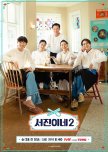
Beautiful Icelandic scenery & Korean traditional food!
I enjoyed the second season just as much as the first. This time, the beautiful Icelandic scenery provided a completely different atmosphere, while the menu focused on Korean home-style cooking. The dishes included kkori-gomtang, galbi-jjim, dolsot-bibimbap, dakgalbi, sundubu-jjigae, yukjeon bibim-guksu, ttukbaegi bulgogi and hotteok. Korean drinks such as maesil-cha, yuzu ade, omija beverages and soju were also featured. The contrast with the Mexican seaside setting made the two seasons feel distinct, yet both were equally enjoyable.
The production felt more polished this time, with a larger restaurant and a beautifully designed interior that combined traditional Korean and Icelandic elements with a modern touch. The building had the character of a traditional house transformed into a contemporary restaurant, and the design, atmosphere and service suited the location very well. Iceland’s cold climate also added something distinctive to the experience.
The team continued to work impressively well together, with everyone contributing something unique. Jung Yu-mi and Park Seo-joon were once again like professional chefs, preparing and serving food with remarkable skill. Despite the demanding workload, the team managed to serve so many customers, and their reactions suggested that the food was very well received.
Go Min-si, the new intern, was a wonderful addition to the team. She was genuinely precious to watch and worked incredibly hard in the kitchen, quickly proving herself to be a valuable member. Her energy and efficiency were impressive, especially given how demanding the work became.
Woo-shik also surprised me by taking on the role of chef for two days, despite his limited experience in the kitchen. He handled a challenging responsibility and showed that he could adapt under pressure. His work as a waiter was equally impressive, thanks to his warm manner, charisma and ability to communicate naturally with customers. He was a valuable member of the team both in front of the house and in the kitchen.
One of my favourite moments was Woo-shik’s birthday. With the team seemingly focused only on work, he began to think that everyone had forgotten his special day. He ended up singing “Happy Birthday” to himself, which was hilarious and endearing. When the members finally surprised him with a birthday cake, his disappointment turned into happiness. It was a lovely reminder that, beyond all the hard work, these people had a genuine friendship.
Lee Seo-jin was once again excellent as the restaurant’s owner. Always smiling, organised and attentive, he played an important role in keeping the operation running smoothly. His management and service skills were especially valuable when the restaurant became overwhelmed with orders. The team’s professionalism was remarkable, but it was also clear how exhausting the workload could be for everyone.
I also found it interesting that the clientele seemed different from that of the first season. In Mexico, we saw Mexican customers alongside visitors from the United States, Europe and elsewhere. In Iceland, there were local customers too, but I noticed a particularly large number of Asian tourists. This added another interesting dimension to seeing Korean food introduced to people in different parts of the world.
My main criticism remains the format. The repeated focus on orders, cooking, serving and customers’ reactions takes up too much of the running time. I would have loved to see more of Iceland beyond the restaurant: excursions, sightseeing, local experiences and more opportunities for the team to relax and enjoy the country. The workload was so intense that I genuinely felt sorry for the members, knowing how exhausted they must have been. The production team even had to help with the dishes. Although this created a funny moment, it also highlighted just how demanding the work had become for such a small team.
I would have preferred a better balance between running the restaurant and enjoying the travel experience. After all, the main purpose was to showcase Korean food and entertain the audience, rather than push the members to maximise profits as though they were running a permanent business. A more relaxed schedule, additional help and more opportunities to explore Iceland could have made the show even more fun without taking anything away from the quality of the food or the team’s achievements. Recipe cards with ingredients and quantities would also have been a welcome addition.
Despite these reservations, the members did an excellent job. Their professionalism, teamwork and dedication were admirable, and the combination of Korean home-style cooking, Iceland’s spectacular scenery and the team’s chemistry made this season just as enjoyable for me as the first.
9/10
Was this review helpful to you?
One of the finest historical dramas!
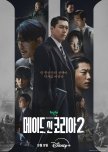
Made in Korea is one of the most extraordinary series I have ever watched and, in my opinion, one of the finest historical dramas I have seen, particularly in its exploration of politics, power and diplomacy. Watching both seasons together made the experience even more complete, allowing the story to unfold as one cohesive and powerful work. 💯❤️👏🏻
The production is outstanding in every respect. The direction, cinematography, atmosphere, soundtrack, sound design and overall execution come together to create a truly exceptional experience. Every element contributes to the intensity and authenticity of the story.
What impressed me most was the acting. The performances were so vivid, convincing and intense that I sometimes felt as though I were actually part of the story, witnessing and experiencing those events as they unfolded in real life during that era. The actors did not simply portray their characters; they made them feel real, bringing their lives, struggles and inner conflicts remarkably close to the viewer.
Hyun Bin deserves special recognition for his extraordinary portrayal of Baek Ki Tae. The character is fascinating, complex and, at times, shocking, and Hyun Bin reveals so many layers of his personality through his performance. His intensity and ability to convey the character’s different sides left a profound impression on me and showcased the remarkable depth of his talent.
Jung Woo Sung, Woo Do Hwan, Seo Eun Soo, Won Ji An, Jung Sung Il, Jang Hye Jin and Roh Jae Won also deserve praise for their compelling and convincing performances. The entire cast is excellent, including those in smaller roles. The strength of the acting is not limited to a few leading performers; everyone contributes to the authenticity and impact of the series.
One detail that particularly resonated with me was Ki Tae’s insistence on yeomchi (염치), a sense of shame, honour and moral self-respect that prevents a person from acting without conscience. His words about people who betray others without the slightest sense of shame stayed with me. As a Greek, I found a meaningful connection with Aidōs (Αἰδώς), an ancient Greek concept associated with moral conscience, dignity and the inner restraint that keeps a person from acting dishonourably. Although these concepts are not identical, their shared emphasis on inner moral responsibility felt deeply familiar to me. The return to this idea in moments of betrayal made it even more powerful. It was a detail that gave the series an additional layer of meaning for me, reminding me that certain fundamental questions about honour, conscience and what it means to remain human transcend cultural boundaries.
A production of this calibre is the result of collective effort. From the writing and direction to the performances and every contribution behind the scenes, each part matters. Made in Korea is an outstanding example of what can be achieved when the entire team works together at such a high level.
An extraordinary series in its storytelling, performances, production and emotional impact. One that stayed with me not only for its quality, but also for the ideas it made me reflect on! ❤️ 10+/10
Was this review helpful to you?
One of the finest historical dramas!
Made in Korea is one of the most extraordinary series I have ever watched and, in my opinion, one of the finest historical dramas I have seen, particularly in its exploration of politics, power and diplomacy. Watching both seasons together made the experience even more complete, allowing the story to unfold as one cohesive and powerful work. 💯❤️👏🏻
The production is outstanding in every respect. The direction, cinematography, atmosphere, soundtrack, sound design and overall execution come together to create a truly exceptional experience. Every element contributes to the intensity and authenticity of the story.
What impressed me most was the acting. The performances were so vivid, convincing and intense that I sometimes felt as though I were actually part of the story, witnessing and experiencing those events as they unfolded in real life during that era. The actors did not simply portray their characters; they made them feel real, bringing their lives, struggles and inner conflicts remarkably close to the viewer.
Hyun Bin deserves special recognition for his extraordinary portrayal of Baek Ki Tae. The character is fascinating, complex and, at times, shocking, and Hyun Bin reveals so many layers of his personality through his performance. His intensity and ability to convey the character’s different sides left a profound impression on me and showcased the remarkable depth of his talent.
Jung Woo Sung, Woo Do Hwan, Seo Eun Soo, Won Ji An, Jung Sung Il, Jang Hye Jin and Roh Jae Won also deserve praise for their compelling and convincing performances. The entire cast is excellent, including those in smaller roles. The strength of the acting is not limited to a few leading performers; everyone contributes to the authenticity and impact of the series.
One detail that particularly resonated with me was Ki Tae’s insistence on yeomchi (염치), a sense of shame, honour and moral self-respect that prevents a person from acting without conscience. His words about people who betray others without the slightest sense of shame stayed with me. As a Greek, I found a meaningful connection with Aidōs (Αἰδώς), an ancient Greek concept associated with moral conscience, dignity and the inner restraint that keeps a person from acting dishonourably. Although these concepts are not identical, their shared emphasis on inner moral responsibility felt deeply familiar to me. The return to this idea in moments of betrayal made it even more powerful. It was a detail that gave the series an additional layer of meaning for me, reminding me that certain fundamental questions about honour, conscience and what it means to remain human transcend cultural boundaries.
A production of this calibre is the result of collective effort. From the writing and direction to the performances and every contribution behind the scenes, each part matters. Made in Korea is an outstanding example of what can be achieved when the entire team works together at such a high level.
An extraordinary series in its storytelling, performances, production and emotional impact. One that stayed with me not only for its quality, but also for the ideas it made me reflect on! ❤️ 10+/10
Was this review helpful to you?


