
 K-Drama




This review may contain spoilers
Beautifully Shot, Emotionally Powerful, Yet Frustratingly Flawed
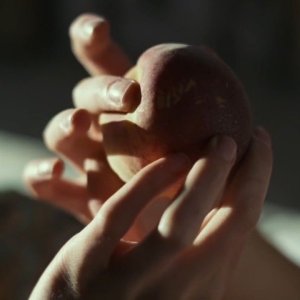
The central love story between Qi Lu and Qin Xiao has a quiet depth that I found genuinely moving. Every small touch carries weight, and the visual language is so carefully composed that I paused it more than once to sit with a single frame. That doesn't happen often. The darkness surrounding them — a father who sees his son not as a person but as an instrument, who takes out his bitterness on the child left behind — sits heavily in exactly the way it should.
The second couple is where my experience started to fracture. After See Your Love handled deafness with such care and specificity, watching it reduced here to a plot point that gets resolved with a hearing aid — and then quietly forgotten, no more sign language, no more acknowledgment — felt like a step backwards that I couldn't ignore. The dynamic between them also never convinced me personally, and there's a particular element to their history that I found genuinely difficult to move past.
What frustrated me most though is a storytelling choice near the end that I have limited patience for in any series: one character deciding unilaterally to cause pain in order to protect the other, choosing silence over communication at exactly the moment when honesty matters most. I find that trope exhausting at the best of times. Here it landed especially hard because everything that came before it had felt so considered. And a six year time jump that doesn't quite explain what changed didn't help close that wound.
The core of this series is genuinely beautiful. I just wish it trusted itself more in the final stretch.
The second couple is where my experience started to fracture. After See Your Love handled deafness with such care and specificity, watching it reduced here to a plot point that gets resolved with a hearing aid — and then quietly forgotten, no more sign language, no more acknowledgment — felt like a step backwards that I couldn't ignore. The dynamic between them also never convinced me personally, and there's a particular element to their history that I found genuinely difficult to move past.
What frustrated me most though is a storytelling choice near the end that I have limited patience for in any series: one character deciding unilaterally to cause pain in order to protect the other, choosing silence over communication at exactly the moment when honesty matters most. I find that trope exhausting at the best of times. Here it landed especially hard because everything that came before it had felt so considered. And a six year time jump that doesn't quite explain what changed didn't help close that wound.
The core of this series is genuinely beautiful. I just wish it trusted itself more in the final stretch.
Was this review helpful to you?


