I enjoyed the direction taken in the first episode, and the writing is very amusing. The musical score used was such a charming surprise, and it felt so fitting in each scene. Although Kanzaki may seem shallow at first, we learn that he is self-aware; but tends to avoid any complications and wants to live in a simple world that's easy to understand. Matsuzaka Tori's expressions and acting range were very promising to see. I'm not yet familiar with her other works, but Suzuki Anne's acting was wonderful.
As a fan of the original work, I enjoyed seeing how the story was portrayed on screen, but I must admit that I was disappointed with how the complex themes and characters were presented in the film adaptation. I would still recommend this film as it has such an intriguing concept, compelling acting, and great cinematography.
I enjoyed how the manga deeply explored each character's stories and traumas, and I wonder how those who aren't familiar with the manga would perceive their stories while watching. In my view, the changes in the character's original intentions were unconvincing and somewhat felt unreasonable. The direction taken in the manga was what I hoped to see more of this film, especially when dealing with the backstories of some of the main character's homunculi. When reading the manga, I thought that the character's traumas and mindsets were expressed in a much more intimate, thought-inducing manner.
The acting was engaging and very promising to watch, and I liked the intricate use of tone and cinematography throughout the film. However, I personally thought that the plot, themes, and the depth and direction in which the character's stories were explored were much better executed in the original work.
OMG I wasn't expecting her to be accused of power harrassment. Oops! That got really heavy with the way the co-worker…
My thoughts exactly! I hope that they focus on resolving any misunderstandings and coming to terms with their differences rather than introducing possibilities of other relationships. The ending scene was *chef's kiss* with the soundtrack kicking in at just the right moment. There were indeed so many things that happened in just the first episode. I can't wait to see how the story progresses :)
I appreciated the subtle, hidden meanings that I tried to comprehend while watching this. I thought I'd share a few of my interpretations :)
The Jasmine Plant - The jasmine flower is often associated with love, sensuality, and purity. It is nurtured and well taken care of at first, as Konno watered and sheltered it from the heavy rain. There is a scene showing the plant's shadow during the daytime, and it reminded me of the words Haisa expressed further in the film. Later on, the flowerpot fell over due to the earthquake, and the jasmine plant is in its worse shape. I interpreted the meaning behind this as the jasmine symbolising Konno and that he felt stable and well up until he crumbled and became frantic at the disappearance of Haisa.
The Fire - "I know a firefighter. He said that it spread so fast then disappeared that he couldn't do anything about it." I felt like Konno symbolised the firefighter, while Hiasa is the fire itself. Hiasa entered Konno's life with warmth and engulfed his thoughts and desires with flames. Then that fire, Hiasa, disappeared suddenly with Konno unable to do anything about it.
That Night - Snakes are often associated with betrayal and deception, foreshadowing the reveal of Haisa's other side. Hiasa alerts Konno of a snake coiled on his chest as he was asleep. After removing it and asking if he's alright, Konno's unable to repress his true desires any longer and attempts to kiss Haisa, who rejects his approach.
"Some people say that this fish steals bait. But I don't hate them. It's not good to be too greedy." The complex expressions during that scene at the river and the words Hiasa chose as they speak hold a hidden implication. I felt that Haisa was indirectly referring to Konno as the fish. The fish stole the bait just as Konno stole a kiss from him that night. Just as Haisa doesn't hate the fish, he also doesn't resent Konno (hence he remained with him) and implies that "it's not good to be too greedy."
The end was so intense, raw, and powerful, holding such deep meaning. I remember replaying it and thinking that the conclusion was so valid. I felt that the film's message overflowed out of the screen in that ending scene.

 News
News 

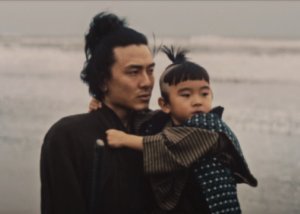


I enjoyed how the manga deeply explored each character's stories and traumas, and I wonder how those who aren't familiar with the manga would perceive their stories while watching. In my view, the changes in the character's original intentions were unconvincing and somewhat felt unreasonable. The direction taken in the manga was what I hoped to see more of this film, especially when dealing with the backstories of some of the main character's homunculi. When reading the manga, I thought that the character's traumas and mindsets were expressed in a much more intimate, thought-inducing manner.
The acting was engaging and very promising to watch, and I liked the intricate use of tone and cinematography throughout the film. However, I personally thought that the plot, themes, and the depth and direction in which the character's stories were explored were much better executed in the original work.
The Jasmine Plant - The jasmine flower is often associated with love, sensuality, and purity. It is nurtured and well taken care of at first, as Konno watered and sheltered it from the heavy rain. There is a scene showing the plant's shadow during the daytime, and it reminded me of the words Haisa expressed further in the film. Later on, the flowerpot fell over due to the earthquake, and the jasmine plant is in its worse shape. I interpreted the meaning behind this as the jasmine symbolising Konno and that he felt stable and well up until he crumbled and became frantic at the disappearance of Haisa.
The Fire - "I know a firefighter. He said that it spread so fast then disappeared that he couldn't do anything about it." I felt like Konno symbolised the firefighter, while Hiasa is the fire itself. Hiasa entered Konno's life with warmth and engulfed his thoughts and desires with flames. Then that fire, Hiasa, disappeared suddenly with Konno unable to do anything about it.
That Night - Snakes are often associated with betrayal and deception, foreshadowing the reveal of Haisa's other side. Hiasa alerts Konno of a snake coiled on his chest as he was asleep. After removing it and asking if he's alright, Konno's unable to repress his true desires any longer and attempts to kiss Haisa, who rejects his approach.
"Some people say that this fish steals bait. But I don't hate them. It's not good to be too greedy." The complex expressions during that scene at the river and the words Hiasa chose as they speak hold a hidden implication. I felt that Haisa was indirectly referring to Konno as the fish. The fish stole the bait just as Konno stole a kiss from him that night. Just as Haisa doesn't hate the fish, he also doesn't resent Konno (hence he remained with him) and implies that "it's not good to be too greedy."
https://twitter.com/ECOTVSubs/status/1376939222238601216
https://www.youtube.com/watch?v=jSf6S6ny6-A