

 1
1 1
1


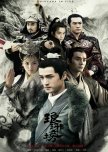
A Masterclass in Complex Strategy and Wit (Deservedly Awarded)
Tired of idol 2025 dramas and ordinary plots, I decided to revisit some past dramas I had missed, and I chose Nirvana in Fire. It didn’t disappoint, it lived up to its hype.
This drama is a masterclass in clever dialogue, political maneuvering, and strategic brilliance rather than brute force. Apart from one epic battle near the end, conflicts are resolved through intellect, loyalty, and careful planning, making every confrontation a game of wits. Even the bodyguard child of the male lead delivers delightful martial arts sequences, adding bursts of action to an otherwise cerebral series.
Unlike other historical Chinese dramas or wuxia series, which emphasize sword fights and large-scale battles, Nirvana in Fire centers on strategy, intrigue, and psychological warfare. The core of the drama revolves around revenge, justice, political upheaval, and shifting power dynamics, with Mei Changsu, the male lead, orchestrating events to reshape the kingdom. Each move is meticulously planned, like pieces on a chessboard, requiring perfect coordination among allies, an intricate puzzle that’s both remarkable and slightly unrealistic, yet brilliantly crafted.
The drama explores mature themes such as loyalty, honor, justice, and ethical dilemmas, handling characters’ moral choices with sophistication instead of melodrama. The pacing is deliberate: the first 15 episodes build the world and characters, and by episode 19, all the pieces are in place for the game to unfold. It is a drama for the mind. Attention to detail is crucial: the drama demands close concentration, as casual viewing can easily lead to confusion.
From episode 21 onward, the tension ramps up, making it impossible to stop watching.
A few things to note: it has a slow start, heavy political content, minimal romance, and a vast, complex cast. Keeping a family tree or character map handy helps, as there are many factions, allies, and subplots to track. Action is limited, but when it appears, it is beautifully choreographed. Emotional restraint and superb performances dominate, making it far more contemplative than flashy.
The music is delicate and perfectly complements the mind games, enhancing the tension without overshadowing it. Everything is meticulously crafted, from plot to performance, making Nirvana in Fire a unique and original drama. It is a slow-burn masterpiece of strategy, politics, and human ingenuity, a cerebral chess game brought to life with an outstanding cast and production team. A ten for plot complexity, a ten for execution, and a ten for the incredible team behind it.
This drama is a masterclass in clever dialogue, political maneuvering, and strategic brilliance rather than brute force. Apart from one epic battle near the end, conflicts are resolved through intellect, loyalty, and careful planning, making every confrontation a game of wits. Even the bodyguard child of the male lead delivers delightful martial arts sequences, adding bursts of action to an otherwise cerebral series.
Unlike other historical Chinese dramas or wuxia series, which emphasize sword fights and large-scale battles, Nirvana in Fire centers on strategy, intrigue, and psychological warfare. The core of the drama revolves around revenge, justice, political upheaval, and shifting power dynamics, with Mei Changsu, the male lead, orchestrating events to reshape the kingdom. Each move is meticulously planned, like pieces on a chessboard, requiring perfect coordination among allies, an intricate puzzle that’s both remarkable and slightly unrealistic, yet brilliantly crafted.
The drama explores mature themes such as loyalty, honor, justice, and ethical dilemmas, handling characters’ moral choices with sophistication instead of melodrama. The pacing is deliberate: the first 15 episodes build the world and characters, and by episode 19, all the pieces are in place for the game to unfold. It is a drama for the mind. Attention to detail is crucial: the drama demands close concentration, as casual viewing can easily lead to confusion.
From episode 21 onward, the tension ramps up, making it impossible to stop watching.
A few things to note: it has a slow start, heavy political content, minimal romance, and a vast, complex cast. Keeping a family tree or character map handy helps, as there are many factions, allies, and subplots to track. Action is limited, but when it appears, it is beautifully choreographed. Emotional restraint and superb performances dominate, making it far more contemplative than flashy.
The music is delicate and perfectly complements the mind games, enhancing the tension without overshadowing it. Everything is meticulously crafted, from plot to performance, making Nirvana in Fire a unique and original drama. It is a slow-burn masterpiece of strategy, politics, and human ingenuity, a cerebral chess game brought to life with an outstanding cast and production team. A ten for plot complexity, a ten for execution, and a ten for the incredible team behind it.
Was this review helpful to you?


