
 Editorials

 77
77 338
338 10
10 1
1 5
5 1
1 13
13 1
1 2
2 3
3 1
1 2
2 1
1 1
1 6
6 12
12 2
2 1
1 2
2 1
1 2
2 1
1 1
1 3
3 2
2 1
1 2
2 2
2 1
1 2
2 1
1 9
9


Sha Shi 杀石 or Smirk and Soap?
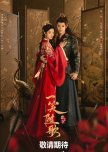
Jinxiu’s flamboyant red-clad commander Fu Yixiao, the most magnificent archer across two warring kingdoms, takes careful aim, her moon-shooting bow coiled tautly at full draw. Her arrow unerringly strikes her enemy Feng Suige, the first prince of Susha, in the heart, halting his charging battalion in their tracks. The Susha army has no choice but to beat a hasty retreat, only to find assassins hot on their heels. Then, because makjang never met a cliché it didn’t hug, Yixiao tumbles off a cliff and wakes up with amnesia. Fate, that tired scriptwriter, deposits her in the same neutral sanctuary as her enemy. Of course he captures her and is perfectly justified in smacking her around as payback. But our feisty lady warrior bites, scratches, and kicks back as good as she gets. Domestic violence rom-com? The show thinks so.
I found the initial violence between the leads distasteful, but the narrative does a good job developing their relationship organically after that. It starts with suspicion and reluctant collaboration, then evolves into shared understanding, respect, and unwavering trust. Yixiao is no love brain; she methodically pieces together and tests her scattered recollections from the day she was ambushed and betrayed. Feng Suige more or less figured out what happened but gives her space to investigate and reach her own damning conclusions while he hovers protectively in the background. This convincing progression from enemies to lovers is well portrayed by both Li Qin and Chen Zheyuan. They are charismatic, conversant actors, and I enjoyed the romance—but for some reason their screen chemistry didn’t rock my world. Maybe it was Chen Zheyuan smirking through Suige’s first confession, or maybe I was too distracted by how obviously their love scenes were reenacted from Yang Mi and Mark Chao’s iconic ones in Ten Miles of Peach Blossoms, down to costumes and sets.
Plot wise, the drama starts sharp and then free falls into increasingly sensational with over-the-top twists and high emotions centered on familiar tropes and unhinged character archetypes. Each subsequent arc is a triangle of lunatics, masked nobodies; a bunch of bat-shit-crazy mini-makjangs mashed together into an incoherent and ultimately unsatisfying story. Don’t get me wrong—there were many riveting confrontations where scathing truths were delivered in a dramatically satisfying manner. Sadly, the motivations and grievances underlying all the burning resentment are shallow, even petty. Ultimately there are no good villains—just a bunch of spoiled brats and their over-indulgent parents, all victims of their own deluded ambitions and warped sense of justice. Even Feng Suige lost me after he made an irrational case for his love-brained sister, then a hostage princess no less, to ascend the Susha throne.
It is clear the writers have lost the plot when the most rational and understandable character ends up being Xia Jingyan—the unhinged Jinxiu emperor. I enjoyed his arc with Feng Xiyang a lot more than even Suige and Yixiao’s story. Acting-wise, Qin Tianyu steals every scene, cycling tyrannical, humorous, forlorn, and almost empathetic. His formidable aura made Chen Zheyuan’s "menace" conveyed by a lopsided sneer look like a toddler practicing scary faces. Even though he tones it down to a bearable level here, this actor’s tendency to overact loses me time and again. It is only after he abandons the sneer in the ending arcs that his acting seems more authentic and less performative. The supporting cast is strong all-around and ham it up for all their worth through all the emotional showdowns and exaggerated plot twists.
Li Qin remains the sole reason to finish - she is fantastic in this role of a commander of men who can hold her own against the best and the worst of them. As story progresses Yixiao becomes relegated to playing bodyguard while Suige’s agenda plays out. Meanwhile, Jingshi remains a rational and somewhat empathetic antagonist until the final arc where he becomes completely irredeemable. It was anti-climactic to watch this cunning and calculating antagonist seal his own fate by making an out-of-character and delusional love-brained decision. But what really ticked me off was I stuck around for the lovers-to-enemies arc. I wanted to see Yixiao's revenge, her arrow, his heart. I was seated for Sha Shi 杀石, an ancient Chinese makjang take on Kill Bill. What I got instead was a man stepping in to get the job done right. Tarantino would never have robbed the Bride of her agency like that. The ending was exhausting and I have no words to waste on Suige’s harebrained ideas about succession and governance. On the bright side, there are too many people with mental health issues running amok in both Susha and Jinxiu that they are certainly doomed kingdoms not worthy of memory or survival.
Verdict: Visually stunning, addictively theatrical, narratively bankrupt. Li Qin earns every point; the rest is smirk and soap. 8/10—for the first ten episodes and one flawless archer.
Best lines:
I can change him - Feng Xiyang
My condolences - Feng Pingcheng
I found the initial violence between the leads distasteful, but the narrative does a good job developing their relationship organically after that. It starts with suspicion and reluctant collaboration, then evolves into shared understanding, respect, and unwavering trust. Yixiao is no love brain; she methodically pieces together and tests her scattered recollections from the day she was ambushed and betrayed. Feng Suige more or less figured out what happened but gives her space to investigate and reach her own damning conclusions while he hovers protectively in the background. This convincing progression from enemies to lovers is well portrayed by both Li Qin and Chen Zheyuan. They are charismatic, conversant actors, and I enjoyed the romance—but for some reason their screen chemistry didn’t rock my world. Maybe it was Chen Zheyuan smirking through Suige’s first confession, or maybe I was too distracted by how obviously their love scenes were reenacted from Yang Mi and Mark Chao’s iconic ones in Ten Miles of Peach Blossoms, down to costumes and sets.
Plot wise, the drama starts sharp and then free falls into increasingly sensational with over-the-top twists and high emotions centered on familiar tropes and unhinged character archetypes. Each subsequent arc is a triangle of lunatics, masked nobodies; a bunch of bat-shit-crazy mini-makjangs mashed together into an incoherent and ultimately unsatisfying story. Don’t get me wrong—there were many riveting confrontations where scathing truths were delivered in a dramatically satisfying manner. Sadly, the motivations and grievances underlying all the burning resentment are shallow, even petty. Ultimately there are no good villains—just a bunch of spoiled brats and their over-indulgent parents, all victims of their own deluded ambitions and warped sense of justice. Even Feng Suige lost me after he made an irrational case for his love-brained sister, then a hostage princess no less, to ascend the Susha throne.
It is clear the writers have lost the plot when the most rational and understandable character ends up being Xia Jingyan—the unhinged Jinxiu emperor. I enjoyed his arc with Feng Xiyang a lot more than even Suige and Yixiao’s story. Acting-wise, Qin Tianyu steals every scene, cycling tyrannical, humorous, forlorn, and almost empathetic. His formidable aura made Chen Zheyuan’s "menace" conveyed by a lopsided sneer look like a toddler practicing scary faces. Even though he tones it down to a bearable level here, this actor’s tendency to overact loses me time and again. It is only after he abandons the sneer in the ending arcs that his acting seems more authentic and less performative. The supporting cast is strong all-around and ham it up for all their worth through all the emotional showdowns and exaggerated plot twists.
Li Qin remains the sole reason to finish - she is fantastic in this role of a commander of men who can hold her own against the best and the worst of them. As story progresses Yixiao becomes relegated to playing bodyguard while Suige’s agenda plays out. Meanwhile, Jingshi remains a rational and somewhat empathetic antagonist until the final arc where he becomes completely irredeemable. It was anti-climactic to watch this cunning and calculating antagonist seal his own fate by making an out-of-character and delusional love-brained decision. But what really ticked me off was I stuck around for the lovers-to-enemies arc. I wanted to see Yixiao's revenge, her arrow, his heart. I was seated for Sha Shi 杀石, an ancient Chinese makjang take on Kill Bill. What I got instead was a man stepping in to get the job done right. Tarantino would never have robbed the Bride of her agency like that. The ending was exhausting and I have no words to waste on Suige’s harebrained ideas about succession and governance. On the bright side, there are too many people with mental health issues running amok in both Susha and Jinxiu that they are certainly doomed kingdoms not worthy of memory or survival.
Verdict: Visually stunning, addictively theatrical, narratively bankrupt. Li Qin earns every point; the rest is smirk and soap. 8/10—for the first ten episodes and one flawless archer.
Best lines:
I can change him - Feng Xiyang
My condolences - Feng Pingcheng
Was this review helpful to you?


