
 News
News 

 2
2


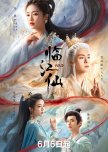
Trauma Bonding, Cliff Falls, and Questionable Immortal Life Choices
Let’s just say... FEUD is entertaining, but not for the reasons the production probably intended. This drama is a classic example of "big budget, high hype, chaotic execution."The Good:
Visually stunning: The sets, costumes, and cinematography are gorgeous. The landscapes and ethereal quality of the xianxia world make for some pretty breathtaking moments. The drama is a feast for the eyes, even if it can’t always match the emotional depth.
Zhang Suan (played by Chen Xin Hai), is honestly the MVP — consistently reasonable and emotionally intelligent. Every time he appears, I exhale. A couple of episodes were highlights just because of him.
The antagonist Xiao Jing Shan (played by Hong Yao)? Surprisingly, the most grounded character in the entire show. When the antagonist has more brains than all the protagonists combined... it kind of makes you question who the real hero is. Low-key carrying the plot, high-key exposing everyone's emotional immaturity.
A few quotes and scenes hit surprisingly deep. "If there is no love, where does the hatred come from?" — yes, Shifu, preach.
Some of the BGM tracks are excellent, setting the right tone for those high-stakes moments. When the music hits right, it adds weight to the drama. However, let’s be honest: occasionally the background music sounds like it came from a budget synth machine, which kind of takes you out of the moment. Less cheap synthesizer, more grand orchestra, please.
The Mid:
It’s giving chaotic rom-com meets trauma drama. The first arc feels like a parody of xianxia, with editing so choppy you’d think scenes were being reassembled in real time. The romantic development often leans into limerence rather than genuine connection, and we're clearly meant to root for CP's with the emotional communication skills of a burnt-out office printer.
The "revenge for the lost child" angle had potential, but it’s wrapped in so much over-the-top drama that it loses its impact.
Tropes. So. Many. Tropes. If I had a jade bead for every time someone falls off a cliff, I’d be immortal by now.
The... Not-So-Good:
Let’s talk about the FL. I know she’s written this way for “tragic reasons,” but she’s emotionally stunted, full of repressed rage, and constantly projecting — to the point where I genuinely believe she needs therapy, not romance. Watching her feels uncomfortably familiar, like seeing unresolved family trauma play out on screen. It gets better in the second half.
And the ML? A walking red flag. The physical aggression, the emotionally unavailable brooding... at this point, their entire relationship screams trauma bond, not love.
Characters keep making irrational decisions and reacting violently before bothering to talk, "kill first, talk later" kind of interaction — even though, wisely, some characters do suggest "Just sit down and talk!" (Yes, Shifu, again. We hear you.)
The "romantic" interactions offer silent treatment, co-dependency and ultimatums. In terms of unhealthy communication, this drama delivers.
Conclusion:
I’m watching this more like a messy reality show than a sweeping fantasy romance. The production is expensive, but the storytelling doesn’t quite deliver — it leans too hard on old clichés and little genuine emotional growth.
Still, it’s oddly addictive in a “can’t look away from the car crash” kind of way. It’s a melodramatic, trope-filled chaos fest that might not be good, but is definitely memorable.
Was this review helpful to you?
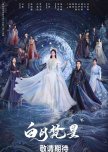
Unexpected Surprises and a Stellar Soundtrack
Moonlight Mystique started with a lot of promise, but my expectations were a bit shaken by the main lead, Bai Lu’s character: a stubborn and overbearing young lady. Ao Rui Peng, the male lead, also didn’t win me over immediately, but I soon found myself mesmerized by his performance as his character evolved throughout the drama.One of the biggest surprises was the 2nd female lead, Dai Lu Wa. Her acting was exceptional, and her character’s development was one of the highlights of the show. As for the second male lead, Chang Hua Sen, he initially came off as bland and annoying, but as his arc progressed, I was pleasantly surprised by how his character improved and became much more interesting.
The soundtrack deserves a special mention. With Sa Ding Ding’s vocals consistently bringing an extra layer of emotion, the music was always on point and added to the show’s atmosphere.
The storyline itself was quite intriguing, weaving elements from both the past and the present. Like small puzzle pieces falling into place, each episode unveiled more, gradually creating a complete and satisfying picture. One unexpected twist was the hilariously entertaining amnesia arc, which added a welcome touch of humor to an otherwise intense narrative.
In the end, Moonlight Mystique was a solid watch. While it took some time to grow on me, the engaging story, evolving characters, and stellar performances made it worth sticking with.
Was this review helpful to you?
This review may contain spoilers
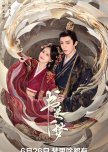
When Comedy Turns into Coercion and Harm is Framed as Love
The trailer for A Dream Within a Dream promised a blend of sharp humor, intrigue, and fantasy flair — and with Liu Yuning in the lead, expectations were high. His past dramas have delivered both quality and emotional depth, so I settled in anticipating another hit. The first few episodes didn’t disappoint: hilarious scenes, chaotic disguises, clever banter, and a witty female lead.I was hooked.
But somewhere along the way, the tone began to shift — and not in a good way.
The show leaned heavily into gas-lighting, coercion, and guilt-tripping, especially from ML towards the FL.
His desperation, shaped by childhood abandonment and unhealed wounds, was real—but the way the story romanticized it was not. His fear of losing the one person who’d shown him kindness quickly turned into obsessive control.
Emotional pressure, confessions laced with guilt, and a sense of entitlement to love were packaged as passion.
FL Song Yimeng, was systematically stripped of her agency, gaslit and coerced by the ML and this was framed as romance.
A big part of the early charm came from the dynamic between the FL and the ML’s masked identity. But over time, what started as intrigue slowly blurred into manipulation. The show leaned into that ambiguity without fully addressing its emotional cost, which made the unfolding relationship feel increasingly uneasy.
This show is known for parodying common tropes, and the background music clearly signals the humor. But unfortunately, the emotional abuse patterns weren’t framed as parody — they weren’t treated like a trope. Instead, the abusive ML was suddenly reframed mid-drama as a lovable, wounded hero. That’s where the cognitive dissonance hit hard. Framing harm as love just doesn’t sit right.
One of the few bright spots was the second couple. Shangguan He and Song Yiting were charming, grounded, and refreshingly different. Their relationship brought humor and warmth. A welcome contrast to the heavy-handed emotional entanglements elsewhere.
There were moments of brilliance, like the rare glimpses into 2ML Chu Guihong’s inner world—his grief, his loyalty, his silence.
And the drama had something to say about loneliness, power, and the hunger to be understood. But those threads were buried under a love story that mistook trauma bonding for destiny.
Visually, the drama remained polished throughout. The cinematography was consistently striking. Even as the emotional arc felt off, the visual storytelling stayed sharp and atmospheric.
The OST matched the tone shifts — comedy, lyrical, haunting.
If they’d just owned it as a ‘FL falls for the villain’ trope, it honestly could’ve been a 10/10 for me.
I've watched 32 out of 40 episodes.
#CognitiveExplorer
Was this review helpful to you?
A short, sweet escape into tradition and community
The Summer of West Beijing” is a quick watch — just 16 episodes of about 4 minutes each — but it manages to pack in a lot of charm. It starts off hilariously, with a young woman quitting her stressful job on impulse, before she decides to move to a quieter, village-like place. The cinematography highlights the beauty of the setting, and the atmosphere feels warm and welcoming as she meets kind-hearted people who help her start fresh. What makes the drama stand out is its focus on traditional culture and music — with characters connected to opera, theater, or classical instruments — giving it a unique flavor that’s both soothing and culturally rich.Was this review helpful to you?
A Short and Sweet Xianxia Romance with a Few Bumps Along the Way
This Chinese xianxia drama had 20 short episodes, each around 12 minutes long. Overall, it was a decent watch.On the positive side, the main leads (ML and FL) were really cute together, though at times their interactions felt a bit cheesy. Their chemistry was fun to watch, and they definitely carried the emotional weight of the story. The visual aesthetics of the drama were quite charming, as expected in the xianxia genre, with beautiful costumes and enchanting landscapes.
However, there were a few downsides. The acting of the supporting characters didn’t quite hit the mark, which sometimes took me out of the experience. Another major issue was a disturbing scene involving sexual assault. While it's part of the plot, it may feel uncomfortable to watch and felt unnecessary.
In terms of overall entertainment, the drama wasn’t addictive but kept me engaged enough to finish it.
Was this review helpful to you?
Suspenseful, But With Characters Who Can’t Decide What Mood They’re In
A solid watch with interesting fantasy and mystery elements, but the miscast lead, inconsistent character development, and a dragged-out ending make it hard to fully recommend.First Impressions
The opening of this drama was an absolute treat! The serene tea-setting, combined with the calming guqin music, drew me in immediately. It started off with a mysterious vibe, and the tone quickly shifted into something much more lighthearted and, at times, hilarious. It's a bit of a rollercoaster in terms of atmosphere, but in a good way.
Character Dynamics
The central character, Zhang Ping played by Song Weilong, is a detective who's meant to be extremely smart and perceptive, but is written in a way that often comes off as frustrating rather than endearing. His impulsiveness, naivety, and lack of basic common sense felt like they were thrown in as a plot device rather than natural character traits, which really detracted from the story. I think part of the problem lies in the casting. While the actor playing Zhang Ping might have done his best, he simply wasn't the right fit for this immature role.
As for Jing Boran (playing the co-ML Lan Jue ), I had mixed feelings. His character felt off at times, as he seemed to shift from being impulsive and overly emotional to suddenly zen-like and philosophical. There were moments when he was either dumbstruck or acting like a drama queen, and it felt out of place given the tone of the show. These inconsistencies made his character hard to connect with, and the lack of a clear arc or emotional depth didn't help his case. While I didn’t dislike his performance, I found it hard to fully embrace his character because of these strange shifts.
On the other hand, Wang Duo was fantastic as the revenge-driven antagonist Gu Qingzhang. He truly brought his character to life and added layers of complexity and emotion that made him one of the standout performances in the drama. Unfortunately he appeared quite late in the drama.
Plot & Themes
The fantasy and mystery elements were interesting, with some exciting plot twists along the way. There were, however, moments that required a suspension of disbelief—like when a group of scholars suddenly turned into an aggressive mob. These moments were a bit jarring but didn’t derail the story entirely. The suspense around the Lan Jue and later Gu Qingzhang kept me on edge, constantly questioning if he was evil, misunderstood, or simply wronged.
The Drama's Flaws
Towards the end, the drama leans heavily into war propaganda, which felt off considering the rest of the narrative.
The drama’s conclusion could’ve been satisfying, but it dragged unnecessarily. Episode 26 provided a fairly strong ending, but then the show tacked on three additional episodes, trying to wrap things up in a “righteous” way that just felt prolonged and a bit forced. It became obvious who would live and who would die, and the attempts to add more twists started to feel illogical. There’s even a McGyver-esque solution to save the day, which stretched my suspension of disbelief to its breaking point.
The Disappointing End
The final episodes did a disservice to characters like Zhang Ping's mother and Lan Jue's father, as there was no justice for their storylines.
Final Thoughts
Overall, this drama is a bit of a mixed bag. It has a compelling mystery, unique fantasy elements, and some strong performances (especially from Wang Duo). However, the frustrating portrayal of Zhang Ping, the inconsistent character development of Lan Jue and a dragged-out ending that strained credibility really held it back. I would recommend this to fans of mystery and fantasy, but be prepared for some characters and plot points that may leave you scratching your head.
#CognitiveExplorer
#JusticeSeeker
Was this review helpful to you?
This review may contain spoilers
The Story of Pearl Girl: A Journey Through Trauma, Revenge, and Personal Growth
The Story of Pearl Girl is a drama that stays with you long after it ends, not because of a perfectly happy ending, but because of the raw and realistic portrayal of childhood trauma and its long-lasting effects on the characters. At its core, this is a story about survival, healing, and the pursuit of justice, framed by a historical backdrop filled with tension and intrigue.Both the female lead (FL), Duan Wu, and male lead (ML), Yan Zi Jing, are survivors of childhood trauma, though their experiences couldn't be more different. Duan Wu spent years enslaved on a pearl farm, enduring harsh conditions that shaped her into a fierce and reckless woman. Her desire to build a future for herself is both inspiring and heartbreaking, as she struggles to accept help from others, especially the kind-hearted second male lead (2ML), a rich scholar. Instead, she chooses the harder path, becoming a servant to Yan Zi Jing, a man consumed by revenge.
Yan Zi Jing’s trauma stems from the annihilation of his family. Now a wealthy merchant, his singular goal is to seek revenge. Their paths cross by fate, and their fates become linked in ways neither can escape. The psychological realism of their characters is what truly makes The Story of Pearl Girl stand out. Watching these two characters, both shaped by their pasts, try to carve out a future is both poignant and gripping.
The first arc is nothing short of epic, filled with travel, battles, and the gradual realization that the FL and ML’s families are intertwined in ways they never expected. The story is engaging, and the pacing feels right as the characters' paths begin to converge. One small gripe is how often the 2ML seems to pop up. While his character has purpose, the frequency with which they bump into him feels a little contrived.
However, the second arc, set in the city, shifts focus towards Duan Wu's ambition to become a successful businesswoman. While female empowerment is a central theme, the repeated mantra of "women can do anything men can do" feels somewhat overdone and cringeworthy at times. The antagonists, too, are defeated too easily, robbing the latter half of the drama of any real climax or tension. By this point, the audience is mainly just waiting for the ML to succumb to his illness, which adds a layer of inevitability to the plot.
What kept me invested through the slower second arc was the tragic growth of Yan Zi Jing. His journey from a man consumed by hatred to someone capable of love and redemption is beautifully portrayed, and although his life ends on a tragic note, it feels symbolic of how long the healing process from trauma can take. When you finally begin to heal, life may feel like it’s almost over — a sentiment that adds layers to the narrative.
The second female lead (2FL) also undergoes a fascinating arc. She crossdresses to fulfill her father’s preference for his sons, and her transformation from a cruel, ruthless character to a confident woman is powerful. It’s a poignant commentary on how society’s bias toward sons harms girls and denies them the right to express their full potential.
The production and atmosphere are impressive, especially in the first arc. The settings are beautifully shot, and the OST complements the mood of the drama perfectly. The scenic backdrops during the traveling scenes, as well as the interactions with supporting characters, make the first arc memorable.
However, the city-based second arc lacks the same level of excitement and visual flair, and the pacing feels off as the plot slows down.
📌 Final Thoughts
The Story of Pearl Girl is ultimately a tale of healing, revenge, and the complexity of human emotions. While the pacing falters in the second arc and the empowerment theme feels heavy-handed, the psychological depth of the characters and the personal growth they undergo make this drama worth watching. If you’re drawn to stories of tragic heroes, personal growth, and historical settings, this series delivers. Liu Yuning’s portrayal of the ML is a highlight, and his emotional journey is what kept me glued to the screen, even if I had to fast forward through certain slower parts.
Was this review helpful to you?
A Slow Start, But Worth the Watch
At first, I almost dropped A Moment but Forever due to the lackluster acting, but the story had enough intrigue to keep me hooked. By the fifth episode, things started to improve, and the drama found its stride. The female lead (FL) truly saved the show with her intelligence and resourcefulness, bringing a much-needed spark to the story. While the ending felt a bit rushed, it didn’t take away from the overall enjoyment. Despite its early flaws, I’d still recommend giving it a watch.Was this review helpful to you?

The Yin-Yang Master: Dream of Eternity
0 people found this review helpful
Surprisingly watchable — once you get past the rocky start.
I went into this movie not expecting much, and the beginning kind of confirmed that — chaotic monster fights, people shouting, no real context, and a truly terrible background score. But hey, the CGI? Surprisingly solid.
Then the story picks up. It gets intriguing, layered, and suddenly I cared.
Wang Duo, who was supposed to be a support character, totally stole the show. Not only was he in a main role, but he played two characters — and did it well. Honestly impressive.
Deng Lun’s character was emotionally complex, carrying a lot of emotional baggage, and his development was well-written.
The romance was tender, beautifully told, and thankfully no forced kiss scenes — which would’ve completely ruined the vibe.
On the flip side, I’ve never been a fan of Mark Chao, and unfortunately, I couldn’t connect with his character at all.
BUT… let’s be real. Half-naked Deng Lun and Wang Duo in a cat fight? Absolute gold. 🐍🔥 That alone made it worth the watch.
Oh, and the BGM? Still not great, but it graduated from “painful” to “passable.”
Was this review helpful to you?
This review may contain spoilers
Started Strong, Ended Slow: A Gorgeous Show with Some Frustrations
The Best Thing had such a strong start! The TCM backdrop was engaging, and I really enjoyed the aesthetic, especially with the flower themes and stunning cinematography. The ML was charismatic, and his acting really stood out, making him the main reason I stuck with the show until the end. The OST was also on point, really adding to the emotional depth of the scenes.However, the drama lost momentum after Episode 18. The pacing slowed down significantly, with a lot of flashbacks and dragged-out moments that felt unnecessary. The FL, despite going abroad for studies, felt like she didn’t change at all—her emotional struggles and guilt lingered throughout, which made it hard to connect with her. It felt like her character was stuck in a loop, and I was hoping for more growth.
While I enjoyed the show for its first half, the second half was a bit of a letdown. It’s hard to rate it a perfect 10 because the show did start with so much promise but ultimately fell short in the final stretch. Still, the visual appeal and the ML made it worth watching to the end.
Was this review helpful to you?
This review may contain spoilers
Detective Drama on a Loop: Suspense, Angst, and a Finale Gone Wild
A wild mix of suspense, comedy, mystery and philosophy. Worth it for the ride, the Cantonese/Mandarin quirks, the time loops, and the chemistry between leads—but be ready to laugh, clutch your seat in angst, roll your eyes, and occasionally shout “Really?!” at the screen.The Good
This detective/mystery drama kicks off with style: suspenseful Wagnerian BGM, clever use of Cantonese/Mandarin (the ML trying to sound Cantonese is comedy gold if you catch it), and striking cinematography. The investigative cases bring CSI vibes, action scenes, and sly humor. The ML is especially fun to watch—he looks like he walked straight out of The Matrix with his Neo-style vibe, but then turns unexpectedly goofy, which makes his character both entertaining and endearing. The OST—rap blending Mandarin and English—fits surprisingly well. Flashbacks are used strategically to unravel the past, while the time loops twist the narrative into unexpected directions. By mid-series, the show delivers sharp investigations, intriguing time loops, and a good dose of angst that keeps you right on the edge of your seat. Add in adult characters without fluff, some progressive themes (protests against genetic engineering, ethical dilemmas), and sparks of romance that never derail the storytelling.
The Mid
Around episodes 3–8, the narrative slows: less action, more scheming, and occasionally overblown emotions. The biotech case turns into a semi-apology of genetic engineering. In the second half, the flashbacks begin to repeat, dragging the pacing, and product placements break immersion now and then. Still, between the constant angst and the cliffhangers, the suspense keeps pulling you back in.
The Not So Good
By the final stretch, suspension of disbelief isn’t just needed—it’s mandatory. A home lab where miracle drugs are whipped up overnight, MacGyver-style chemistry tricks, and a villain who stabs instead of using his “scientist brain.” The ending feels like the writer panicked: tragic collapse, miracle cure, fireworks romance, antagonist escape… all jammed together like a finale buffet. It’s dramatic, yes, but messy.
In the end, it was still worth the watch—even if the finale felt rushed, illogical, and messy.
#CognitiveExplorer
Was this review helpful to you?


