
 K-Drama




For the love of Film, you will love our crazy Film in this one. Hot Film + Sly Film + Cunning Film. The story has everything you want.???
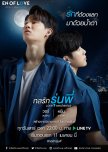

? Shared Universe & Franchise
Both titles are installments in the En of Love series, a mini-series anthology of connected love stories about university students. The franchise includes Tossara, Love Mechanics, and This Is Love Story.
They take place in the same world and feature overlapping characters and settings. Some side characters from one story may appear as supporting roles in the other.
? Themes and Genre
Romantic BL Drama: Both are boys’ love romance stories focused on male–male relationships and romantic development.
College/Youth Setting: Their narratives unfold around relationships among college-age characters, often involving friendship groups and campus life.
Emotional Journeys: Each story explores emotional growth, heartbreak, attraction, and the ups and downs of young adult love — even if the specific situations and characters differ.
? Style and Structure
Short, Narrative-Focused Installments: Both were originally released as short series (a few episodes) within the En of Love lineup, with Love Mechanics in the middle and This Is Love Story toward the end of the trilogy.
Standalone Yet Connected: You don’t have to watch Love Mechanics before This Is Love Story to understand the latter (or vice versa), but watching both gives a broader sense of the En of Love universe.
Both titles are installments in the En of Love series, a mini-series anthology of connected love stories about university students. The franchise includes Tossara, Love Mechanics, and This Is Love Story.
They take place in the same world and feature overlapping characters and settings. Some side characters from one story may appear as supporting roles in the other.
? Themes and Genre
Romantic BL Drama: Both are boys’ love romance stories focused on male–male relationships and romantic development.
College/Youth Setting: Their narratives unfold around relationships among college-age characters, often involving friendship groups and campus life.
Emotional Journeys: Each story explores emotional growth, heartbreak, attraction, and the ups and downs of young adult love — even if the specific situations and characters differ.
? Style and Structure
Short, Narrative-Focused Installments: Both were originally released as short series (a few episodes) within the En of Love lineup, with Love Mechanics in the middle and This Is Love Story toward the end of the trilogy.
Standalone Yet Connected: You don’t have to watch Love Mechanics before This Is Love Story to understand the latter (or vice versa), but watching both gives a broader sense of the En of Love universe.

Both 2gether and SOTUS thrive on slow-burn tension where emotions build before words do.
They explore power dynamics that soften into mutual respect and quiet devotion.
Love is shown through restraint, growth, and small moments that hit hardest.
They explore power dynamics that soften into mutual respect and quiet devotion.
Love is shown through restraint, growth, and small moments that hit hardest.


Both Theory of Love and SOTUS thrive on slow-burn tension where emotions build before words do.
They explore power dynamics that soften into mutual respect and quiet devotion.
Love is shown through restraint, growth, and small moments that hit hardest.
They explore power dynamics that soften into mutual respect and quiet devotion.
Love is shown through restraint, growth, and small moments that hit hardest.

Both ThamePo and SOTUS thrive on slow-burn tension where emotions build before words do.
They explore power dynamics that soften into mutual respect and quiet devotion.
Love is shown through restraint, growth, and small moments that hit hardest.
They explore power dynamics that soften into mutual respect and quiet devotion.
Love is shown through restraint, growth, and small moments that hit hardest.


