
 Editorials

 3
3 3
3 3
3


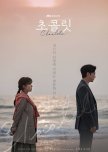
A drama that healed me quietly, relentlessly, and without ever raising its voice.
I went into Chocolate with the simplest of intentions: “Hey, Yoon Kye-sang was great in The Winning Try, let’s see what else he’s done.” I did not expect this show to grab me by the heart in episode one and escort me, gently but firmly, through sixteen hours of emotional excavation. Three days after finishing it; two sleeps, stable nervous system, hormones at factory settings, I was still emotionally hollowed out in that peaceful way only truly healing stories can do. That was when I knew Chocolate had earned its spot beside My Mister in my personal Hall of Fame.
Chocolate doesn’t dazzle you loudly. It doesn’t lure you with melodramatic bait or whip-lash plot twists. Instead, it flows like a river that has known its course long before you stepped into it. Lee Kyung-hee writes with a kind of narrative patience I rarely see anymore: scenes breathe, silences speak, characters evolve without fanfare, and emotions bloom in those little pockets of unspoken understanding. The show trusts you to feel. It trusts its actors to carry subtleties. And it trusts its own heartbeat enough to never rush.
At its core, Chocolate is a story about two people who have spent their whole lives being kind to everyone except themselves. Lee Kang (Yoon Kye-sang) and Moon Cha-young (Ha Ji-won) are tethered to their goodness in ways that feel both admirable and suffocating , the kind of people who pour so much of themselves outward that they forget they’re allowed to keep some warmth for themselves. The drama follows their slow journey toward self-acceptance and emotional clarity, where choosing happiness stops being framed as selfishness and starts being recognized as survival.
And then there’s grief, the ever-present companion in this story. But unlike many dramas that weaponize death for shock value, Chocolate treats it with reverence. Grief becomes a teacher. Memory becomes a compass. Every patient at the hospice, every brief story thread, every seemingly minor character adds another tile to the mosaic. This is where one of my favourite arcs resides: Moon Tae-hyeon, whose unexpected depth hit me hardest by the end. His line, spoken after losing Hui-na, “Cherish your day, as today is the tomorrow that people who don't have it dreamt of yesterday”, cracked me open. It’s simple, earnest, and devastatingly fitting for a show where tomorrow isn’t guaranteed to everyone.
The writing is astonishingly meticulous. I counted at least 32 narrative webs woven through the drama: supporting characters, patients, families, flashbacks, cross-generational echoes, and every single one concludes satisfyingly. Nothing is wasted. No one is thrown in just to fill space. It’s narrative craftsmanship at its most deliberate, the kind where you can feel the care poured into every character, no matter how briefly they stay.
Visually, Chocolate isn’t a spectacle-driven drama, it lets its actors carry most of the emotional weight. But the cinematography knows exactly when to step forward and when to lean back. The color palette is especially thoughtful: the early episodes are a muted blend of cool and warm tones, reflecting the emotional dissonance of Lee Kang’s life in Seoul contrasted with his childhood memories. As the characters slowly choose healing, the palette shifts, warmer, softer, almost like that moment in late spring when you realize summer is about to unfold. By the end, the visuals subtly echo acceptance, especially through the Wando arc, which becomes a visual metaphor for cleansing and return.
But where the show truly shines is food. If you think this drama is going to give you pretty cooking scenes just because it can — absolutely not. Food here is memory, apology, longing, history, forgiveness. Every dish has a story, often devastating, and the cinematography treats each cooking sequence like an emotional ritual. Close-ups, soft filters, gentle ambient sound, it’s never aesthetic fluff. It’s storytelling.
The soundtrack? Flawless. Truly flawless. Chocolate has one of the most carefully curated OSTs I’ve heard in years. The upbeat “Sweetest Thing” by SEVENTEEN keeps brighter scenes buoyant, while the melo tracks: “Alone” by Hui, “Greeting” by Kassy, “I’ll Be Going” by Jiwoong Ha, wrap the heavier moments in something tender rather than manipulative. Romance gets its own sonic heartbeat with “Just Look for You” by Ailee, “Always Be Here” by Hajin, and “Special” by Yubin. The OST never overpowers a scene; it sits beneath it like quiet breath. Episode 13’s ending, where silence gives way to a perfectly timed musical swell, is seared into my memory.
And yes, even with all this praise, I still approach reviews with balance. Chocolate has a glacial pace, intentionally so, but not universally appealing. Some secondary arcs feel slightly stretched. And the romance may confuse viewers who prefer overt expression over subtle emotional evolution. But none of these break the drama. At most, they ask you to meet the story halfway, to pay attention to both what’s said and what isn’t. This drama rewards the patient.
Ha Ji-won and Yoon Kye-sang deserve their own applause. She is luminous here, effortlessly warm, expressive, and heartbreakingly human. Her smile alone could power a small town. He, on the other hand, turns Lee Kang into one of the most quietly compelling male leads I’ve seen in a while: brittle yet kind, restrained yet vulnerable, someone who feels real in a way that makes you soften your voice around him.
By the time the finale arrived, I realized Lee Kyung-hee had composed this story like an orchestra, every memory, every meal, every character arc a note. And together, they form not a perfect symphony, but a deeply human one. That’s why Chocolate stands beside My Mister for me. Not because they’re similar, but because both dramas achieve greatness not by being flawless, but by being honest.
This is my second Perfect 10 of 2025, right after Doubt, and it earns that crown with quiet, unwavering certainty.
If you’d like the full, in-depth byrei.ink review, you can read it over on my site.
Chocolate doesn’t dazzle you loudly. It doesn’t lure you with melodramatic bait or whip-lash plot twists. Instead, it flows like a river that has known its course long before you stepped into it. Lee Kyung-hee writes with a kind of narrative patience I rarely see anymore: scenes breathe, silences speak, characters evolve without fanfare, and emotions bloom in those little pockets of unspoken understanding. The show trusts you to feel. It trusts its actors to carry subtleties. And it trusts its own heartbeat enough to never rush.
At its core, Chocolate is a story about two people who have spent their whole lives being kind to everyone except themselves. Lee Kang (Yoon Kye-sang) and Moon Cha-young (Ha Ji-won) are tethered to their goodness in ways that feel both admirable and suffocating , the kind of people who pour so much of themselves outward that they forget they’re allowed to keep some warmth for themselves. The drama follows their slow journey toward self-acceptance and emotional clarity, where choosing happiness stops being framed as selfishness and starts being recognized as survival.
And then there’s grief, the ever-present companion in this story. But unlike many dramas that weaponize death for shock value, Chocolate treats it with reverence. Grief becomes a teacher. Memory becomes a compass. Every patient at the hospice, every brief story thread, every seemingly minor character adds another tile to the mosaic. This is where one of my favourite arcs resides: Moon Tae-hyeon, whose unexpected depth hit me hardest by the end. His line, spoken after losing Hui-na, “Cherish your day, as today is the tomorrow that people who don't have it dreamt of yesterday”, cracked me open. It’s simple, earnest, and devastatingly fitting for a show where tomorrow isn’t guaranteed to everyone.
The writing is astonishingly meticulous. I counted at least 32 narrative webs woven through the drama: supporting characters, patients, families, flashbacks, cross-generational echoes, and every single one concludes satisfyingly. Nothing is wasted. No one is thrown in just to fill space. It’s narrative craftsmanship at its most deliberate, the kind where you can feel the care poured into every character, no matter how briefly they stay.
Visually, Chocolate isn’t a spectacle-driven drama, it lets its actors carry most of the emotional weight. But the cinematography knows exactly when to step forward and when to lean back. The color palette is especially thoughtful: the early episodes are a muted blend of cool and warm tones, reflecting the emotional dissonance of Lee Kang’s life in Seoul contrasted with his childhood memories. As the characters slowly choose healing, the palette shifts, warmer, softer, almost like that moment in late spring when you realize summer is about to unfold. By the end, the visuals subtly echo acceptance, especially through the Wando arc, which becomes a visual metaphor for cleansing and return.
But where the show truly shines is food. If you think this drama is going to give you pretty cooking scenes just because it can — absolutely not. Food here is memory, apology, longing, history, forgiveness. Every dish has a story, often devastating, and the cinematography treats each cooking sequence like an emotional ritual. Close-ups, soft filters, gentle ambient sound, it’s never aesthetic fluff. It’s storytelling.
The soundtrack? Flawless. Truly flawless. Chocolate has one of the most carefully curated OSTs I’ve heard in years. The upbeat “Sweetest Thing” by SEVENTEEN keeps brighter scenes buoyant, while the melo tracks: “Alone” by Hui, “Greeting” by Kassy, “I’ll Be Going” by Jiwoong Ha, wrap the heavier moments in something tender rather than manipulative. Romance gets its own sonic heartbeat with “Just Look for You” by Ailee, “Always Be Here” by Hajin, and “Special” by Yubin. The OST never overpowers a scene; it sits beneath it like quiet breath. Episode 13’s ending, where silence gives way to a perfectly timed musical swell, is seared into my memory.
And yes, even with all this praise, I still approach reviews with balance. Chocolate has a glacial pace, intentionally so, but not universally appealing. Some secondary arcs feel slightly stretched. And the romance may confuse viewers who prefer overt expression over subtle emotional evolution. But none of these break the drama. At most, they ask you to meet the story halfway, to pay attention to both what’s said and what isn’t. This drama rewards the patient.
Ha Ji-won and Yoon Kye-sang deserve their own applause. She is luminous here, effortlessly warm, expressive, and heartbreakingly human. Her smile alone could power a small town. He, on the other hand, turns Lee Kang into one of the most quietly compelling male leads I’ve seen in a while: brittle yet kind, restrained yet vulnerable, someone who feels real in a way that makes you soften your voice around him.
By the time the finale arrived, I realized Lee Kyung-hee had composed this story like an orchestra, every memory, every meal, every character arc a note. And together, they form not a perfect symphony, but a deeply human one. That’s why Chocolate stands beside My Mister for me. Not because they’re similar, but because both dramas achieve greatness not by being flawless, but by being honest.
This is my second Perfect 10 of 2025, right after Doubt, and it earns that crown with quiet, unwavering certainty.
If you’d like the full, in-depth byrei.ink review, you can read it over on my site.
Was this review helpful to you?


