
 K-Drama

This review may contain spoilers
A Powerful and Respectful Homage to Ruan Lingyu
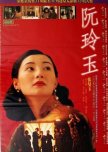
This film was close to being perfect. Stanley Kwan shows the amount of respect he has for Ruan and her contribution to Chinese cinema in this film by creating a biopic/documentary hybrid. Additionally, with Maggie Cheung playing Ruan so beautifully, it seemed like a match made in heaven. The cinematography is dark and morose, framing not just Ruan's inner struggles, but also the terrible time period she lived in. The music was also stunning. While it certainly was a riveting film, there is one major issue that kept it from being a 'cult classic'.
The film's glaring flaw is that it tries to do everything, thereby ensuring that it isn't 'great' at anything. While I appreciate the mix of documentary and biopic, it can be really jarring and confusing at times. Especially at the end where Ruan commits suicide, it almost seems like there was a blooper accidentally left in the movie, because Maggie Cheung is supposed to be 'dead', but she suddenly breaks character, and the film crew starts laughing. I found that to be incredibly bizarre; this is one of the saddest biopics I've ever watched, and yet, the seriousness of it is sucked out of the room with weird moments like this. I don't think it was intentional, I just think that Stanley Kwan made some very poor choices. I heard rumors that when the film was first presented, apparently it was shown out of order and that it was a bit of a mess. There's a reason Stanley Kwan is not talked about as much as someone like Wong Kar Wai, and the choices made in this film prove that sentiment.
The film's length has much to be desired as well, due to the whole issue of combining biopic and documentary. My biggest issue with this format is that I feel I was being told what to feel and know, rather than letting the film explain itself. The documentary portion would have been great as an extra; but, to add it to the film in this manner just doesn't make sense. It completely breaks the flow. This also made the narrative confusing at times, and it took me a good hour or so to finally figure out who's who, as you're not given enough context clues to memorable moments to remember names/characters. Information is just thrown at you. I do not know how much of Ruan's films are left, but I would have appreciated the complete removal of the documentary and replace them with the brilliant cuts from Maggie's acting to Ruan's silent films. Those parts made me tear up, especially at the end when Maggie's crying leads into the actual 'New Woman' film that was considered Ruan's penultimate. Also, from what I've heard, not much is known about Ruan's personal life prior to her joining the Lianhua Film Company, so I do appreciate that Stanley Kwan didn't add anything to the narrative for drama's sake. He kept things to the facts and allowed subjects that are mysteries remain mysteries.
The one thing I will give Stanley Kwan a lot of credit for is how he handled the suicide scene. There are no frills or melodrama. It's really sad, because Ruan at the end is happy, and kisses all the actors and producers at the end of the film, seeming like she's over the scandal that plagued her last days. In reality, much like how many suicide victims are, they will be quite happy during the last few days of their lives, because they've made the decision to remove themselves from this earth. It's not that they're actually happy; they're at peace with themselves finally, knowing that they made a decision to end their live and put an end to their suffering and their 'burden' on others. Kwan handled this immensely tragic scene with such class that I think it's one of cinema's most brilliant moments. It's respectful to the subject-matter while also allowing you to feel the devastation of her decision.
Another aspect I loved about this film was how it portrayed the difference between people who like to preach change versus those who put thought into action. Ruan's private life spills into the public newspapers due to her deadbeat ex-husband putting a megaphone on their divorce, and it's ironic because she is the archetype of the modern 'independent' woman that all the feminists in the film were allegedly fighting for. She stands up to her deadbeat husband, gets a divorce, and gets into a relationship with a man who buys her a new house, promises to take care of her adopted kid, and support her mother. She stands up for herself against a patriarchy in a way that is quite revolutionary for her time, especially for an actress and public figure like herself. Her penultimate film, 'New Woman' was a middle finger to the establishment press and norms of society at that time. Yet, when Ruan had her scandal, no one who purported to support those ideals stood up for her. They stood in the shadows and remained silent, not offering one word of support or comfort for her. They let her get to such a point that she wanted to commit suicide and then have the audacity to show up to her funeral and cry for her. It's disgusting. That part stung the most, as we still see the same cowardice today.
All-in-all, I really enjoyed learning a little more about one of China's most important silent-film-era actresses. While it wasn't a homerun because of bizarre decisions regarding the documentary-portion of the film disrupting the narrative, it still struck an emotional chord in me that I still think about this film a lot. Again, Stanley Kwan kept it professional, and while his efforts were misguided, I can honestly say that he handled this subject with the care and attention it deserved.
Last thing: it's quite hard to emphasize how good Maggie's acting is in this film.
The film's glaring flaw is that it tries to do everything, thereby ensuring that it isn't 'great' at anything. While I appreciate the mix of documentary and biopic, it can be really jarring and confusing at times. Especially at the end where Ruan commits suicide, it almost seems like there was a blooper accidentally left in the movie, because Maggie Cheung is supposed to be 'dead', but she suddenly breaks character, and the film crew starts laughing. I found that to be incredibly bizarre; this is one of the saddest biopics I've ever watched, and yet, the seriousness of it is sucked out of the room with weird moments like this. I don't think it was intentional, I just think that Stanley Kwan made some very poor choices. I heard rumors that when the film was first presented, apparently it was shown out of order and that it was a bit of a mess. There's a reason Stanley Kwan is not talked about as much as someone like Wong Kar Wai, and the choices made in this film prove that sentiment.
The film's length has much to be desired as well, due to the whole issue of combining biopic and documentary. My biggest issue with this format is that I feel I was being told what to feel and know, rather than letting the film explain itself. The documentary portion would have been great as an extra; but, to add it to the film in this manner just doesn't make sense. It completely breaks the flow. This also made the narrative confusing at times, and it took me a good hour or so to finally figure out who's who, as you're not given enough context clues to memorable moments to remember names/characters. Information is just thrown at you. I do not know how much of Ruan's films are left, but I would have appreciated the complete removal of the documentary and replace them with the brilliant cuts from Maggie's acting to Ruan's silent films. Those parts made me tear up, especially at the end when Maggie's crying leads into the actual 'New Woman' film that was considered Ruan's penultimate. Also, from what I've heard, not much is known about Ruan's personal life prior to her joining the Lianhua Film Company, so I do appreciate that Stanley Kwan didn't add anything to the narrative for drama's sake. He kept things to the facts and allowed subjects that are mysteries remain mysteries.
The one thing I will give Stanley Kwan a lot of credit for is how he handled the suicide scene. There are no frills or melodrama. It's really sad, because Ruan at the end is happy, and kisses all the actors and producers at the end of the film, seeming like she's over the scandal that plagued her last days. In reality, much like how many suicide victims are, they will be quite happy during the last few days of their lives, because they've made the decision to remove themselves from this earth. It's not that they're actually happy; they're at peace with themselves finally, knowing that they made a decision to end their live and put an end to their suffering and their 'burden' on others. Kwan handled this immensely tragic scene with such class that I think it's one of cinema's most brilliant moments. It's respectful to the subject-matter while also allowing you to feel the devastation of her decision.
Another aspect I loved about this film was how it portrayed the difference between people who like to preach change versus those who put thought into action. Ruan's private life spills into the public newspapers due to her deadbeat ex-husband putting a megaphone on their divorce, and it's ironic because she is the archetype of the modern 'independent' woman that all the feminists in the film were allegedly fighting for. She stands up to her deadbeat husband, gets a divorce, and gets into a relationship with a man who buys her a new house, promises to take care of her adopted kid, and support her mother. She stands up for herself against a patriarchy in a way that is quite revolutionary for her time, especially for an actress and public figure like herself. Her penultimate film, 'New Woman' was a middle finger to the establishment press and norms of society at that time. Yet, when Ruan had her scandal, no one who purported to support those ideals stood up for her. They stood in the shadows and remained silent, not offering one word of support or comfort for her. They let her get to such a point that she wanted to commit suicide and then have the audacity to show up to her funeral and cry for her. It's disgusting. That part stung the most, as we still see the same cowardice today.
All-in-all, I really enjoyed learning a little more about one of China's most important silent-film-era actresses. While it wasn't a homerun because of bizarre decisions regarding the documentary-portion of the film disrupting the narrative, it still struck an emotional chord in me that I still think about this film a lot. Again, Stanley Kwan kept it professional, and while his efforts were misguided, I can honestly say that he handled this subject with the care and attention it deserved.
Last thing: it's quite hard to emphasize how good Maggie's acting is in this film.
Was this review helpful to you?


