
 Editorials

 2
2 2
2 1
1 2
2 1
1 1
1 1
1 1
1 1
1 1
1 1
1 1
1 1
1 1
1 1
1 1
1


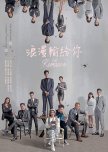
Sometimes Escapism Knows Exactly What It's Doing
There are dramas that ask to be analyzed.
Lost Romance politely asks you to leave your overthinking at the door.
When editor Zheng Xiao'en falls into a coma and wakes up inside the very romance novel she's been editing, she quickly realizes she's not the heroine. She's the glamorous villain destined to lose. Naturally, she decides that destiny clearly needs a rewrite.
And... that's where the fun begins.
Trying to judge Lost Romance by the standards of realism feels a little like criticizing cotton candy for lacking nutritional value. This is a fantasy rom-com that knows exactly what kind of story it wants to tell. The rules are intentionally ridiculous, the humour is wonderfully self-aware, and the drama has no problem poking fun at every romance cliché it enthusiastically embraces five minutes later.
The greatest strength of the series is its sense of play. It constantly reminds the audience that it understands the genre just as well as we do. CEOs become exaggerated versions of themselves, romance tropes are lovingly dismantled before being rebuilt again, and the line between parody and genuine affection for idol dramas becomes increasingly blurred. Somehow, it manages to laugh at the genre while simultaneously celebrating it.
Vivian Sung is the heart of all this chaos. Xiao'en is loud, impulsive, shamelessly dramatic, and completely aware that she's trapped inside a fictional romance. Instead of waiting for the plot to happen to her, she actively negotiates with it. Her comedic timing is excellent, and beneath all the exaggerated reactions lies a surprisingly sincere emotional performance whenever the story decides to slow down.
Marcus Chang has the unenviable task of playing two versions of essentially the same man, and he does so with enough subtle differences that both relationships feel distinct. Yet, like many viewers before me, I have a confession to make.
Qing Feng happened.
Second Lead Syndrome is hardly a rare medical condition in dramaland, but this drama makes a particularly compelling case for it. Qing Feng possesses that calm warmth, emotional intelligence, and effortless charm that occasionally threatens to hijack the entire romantic equation. He isn't simply written as "the nice guy." He feels like someone whose kindness exists independently of whether the plot rewards it. I found myself quietly rooting for his own happy ending.
The rest of the supporting cast deserves credit as well. Every actor seems fully committed to the wonderfully absurd premise, which is exactly why the comedy works. Nobody behaves as though they're embarrassed by the material. The drama embraces its own ridiculousness with complete sincerity, and that confidence becomes infectious.
That doesn't mean everything works equally well. The real-world storyline is noticeably less engaging than the novel world, and whenever the drama leaves its fictional universe behind, some of its momentum goes with it. The pacing also becomes uneven in the second half, and a few emotional conflicts linger longer than necessary. Like many fantasy romances, it occasionally asks the audience not to inspect the mechanics too closely. Fortunately, it earns enough goodwill that I rarely wanted to.
Sometimes we watch dramas to admire extraordinary writing. Sometimes we watch them because they make us smile after a long day. Lost Romance belongs firmly to the second category, and I don't think there's anything lesser about that.
It isn't flawless. It isn't particularly subtle. But it is charming, self-aware, consistently funny, surprisingly romantic, and populated by a cast that seems to be having just as much fun as the audience.
Sometimes that's exactly the kind of story we need.
Lost Romance politely asks you to leave your overthinking at the door.
When editor Zheng Xiao'en falls into a coma and wakes up inside the very romance novel she's been editing, she quickly realizes she's not the heroine. She's the glamorous villain destined to lose. Naturally, she decides that destiny clearly needs a rewrite.
And... that's where the fun begins.
Trying to judge Lost Romance by the standards of realism feels a little like criticizing cotton candy for lacking nutritional value. This is a fantasy rom-com that knows exactly what kind of story it wants to tell. The rules are intentionally ridiculous, the humour is wonderfully self-aware, and the drama has no problem poking fun at every romance cliché it enthusiastically embraces five minutes later.
The greatest strength of the series is its sense of play. It constantly reminds the audience that it understands the genre just as well as we do. CEOs become exaggerated versions of themselves, romance tropes are lovingly dismantled before being rebuilt again, and the line between parody and genuine affection for idol dramas becomes increasingly blurred. Somehow, it manages to laugh at the genre while simultaneously celebrating it.
Vivian Sung is the heart of all this chaos. Xiao'en is loud, impulsive, shamelessly dramatic, and completely aware that she's trapped inside a fictional romance. Instead of waiting for the plot to happen to her, she actively negotiates with it. Her comedic timing is excellent, and beneath all the exaggerated reactions lies a surprisingly sincere emotional performance whenever the story decides to slow down.
Marcus Chang has the unenviable task of playing two versions of essentially the same man, and he does so with enough subtle differences that both relationships feel distinct. Yet, like many viewers before me, I have a confession to make.
Qing Feng happened.
Second Lead Syndrome is hardly a rare medical condition in dramaland, but this drama makes a particularly compelling case for it. Qing Feng possesses that calm warmth, emotional intelligence, and effortless charm that occasionally threatens to hijack the entire romantic equation. He isn't simply written as "the nice guy." He feels like someone whose kindness exists independently of whether the plot rewards it. I found myself quietly rooting for his own happy ending.
The rest of the supporting cast deserves credit as well. Every actor seems fully committed to the wonderfully absurd premise, which is exactly why the comedy works. Nobody behaves as though they're embarrassed by the material. The drama embraces its own ridiculousness with complete sincerity, and that confidence becomes infectious.
That doesn't mean everything works equally well. The real-world storyline is noticeably less engaging than the novel world, and whenever the drama leaves its fictional universe behind, some of its momentum goes with it. The pacing also becomes uneven in the second half, and a few emotional conflicts linger longer than necessary. Like many fantasy romances, it occasionally asks the audience not to inspect the mechanics too closely. Fortunately, it earns enough goodwill that I rarely wanted to.
Sometimes we watch dramas to admire extraordinary writing. Sometimes we watch them because they make us smile after a long day. Lost Romance belongs firmly to the second category, and I don't think there's anything lesser about that.
It isn't flawless. It isn't particularly subtle. But it is charming, self-aware, consistently funny, surprisingly romantic, and populated by a cast that seems to be having just as much fun as the audience.
Sometimes that's exactly the kind of story we need.
Was this review helpful to you?


