
 Celebrity


This review may contain spoilers
Anatomy of a Socio-Political and Narrative Disaster
[Italian Version Below / Versione Italiana in Basso]ENG
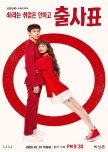
Marketed to the public as a "fresh and quirky" romantic political comedy, Into the Ring reveals itself to be little more than an exercise in procedural anarchy and lazy writing. The series attempts to blend a critique of local government corruption with '90s-style slapstick romance reminiscent of Ranma ½, failing miserably on both fronts and leaving the viewer with a profound sense of frustration and nihilism.
~ Audit Minutes Synopsis (Episodes 1–16) ~
Episodes 1–10 (Populist Delusions and Relational Toxicity): Koo Se-ra enters local politics out of sheer financial desperation, degrading public institutions into a petty neighborhood feud. Her relationship with Seo Gong-myung is framed around an abusive cycle: coercion, physical aggression disguised as "spontaneity," punitive rulebooks, and a complete lack of empathy.
Episode 11 (The Collapse of the Labor Myth): Infiltrating a construction site as a cafeteria worker, the protagonist experiences eight hours of actual manual labor. She promptly devolves into childish complaints about blistered hands and "inflexible" coworkers, exposing the massive chasm between her pro-worker rhetoric and the realities of wage labor. The firing of her secretary is met with textbook narcissistic indifference — viewing human resources as entirely disposable.
Episode 13 (The First Impeachment for Incompetence): Refusing to engage prosecutors or follow legal channels, Se-ra acts like a comic book vigilante and is promptly removed from her post as City Council President. The system expels her not because of her "uncomfortable honesty," but due to her sheer procedural illiteracy.
Episode 15 (Double Recusal): Achieving her second formal removal (this time stripped of her seat as a local councilwoman), the narrative reaches peak tactical self-sabotage. She delivers the sole hard copy of incriminating evidence directly to the corrupt officials on a rooftop, only for the documents to be tossed into the wind due to her complete failure to create digital backups or photocopies.
Episode 16 (The Nihilistic Finale): Saved by "populist mob sentiment" rather than the rule of law, she witnesses the downfall of the corrupt officials purely through a Deus ex Machina. The finale completely guts any remaining thematic value: Se-ra ends up unemployed, discovers at the absolute last minute that her independent contract disqualifies her from receiving overtime pay, and closes with a psychotic stare that portends future relapses.
~ Final Verdict and Core Message ~
The series normalizes the impunity of corrupt elites while glorifying aggressive incompetence. The underlying message is devastating: competence and the rule of law are meaningless, corruption always slips through the cracks, and anyone foolish enough to try to do good ends up defeated, broke, and unprotected.
Recommended for: Viewers looking for a case study in narrative self-sabotage, critics of romantic slapstick tropes, and anyone who enjoys ruthless, analytical breakdowns of flawed TV shows.
Diagnostic Postscript for Viewers (A Note for Heart Lovers):
In summary: the protagonist's psychological profile reveals an emotional dysregulation disorder with borderline and narcissistic traits, compounded by a pathological inability to process frustration and frequent episodes of violent acting-out.
If you see yourself in this dynamic or believe that a kick to the spine and a romance-novel concussion are the modern equivalent of the "red string of fate," go ahead and enjoy the show — you'll find plenty to feed on. Otherwise, if you prefer to keep your brain switched on even while watching a comedy, drop the series immediately without a shred of regret. Your mental health will thank you.
---
ITA
Anatomia di un disastro socio-politico e narrativo
Commercializzato al pubblico come una commedia romantico-politica "fresca e bizzarra", Into the Ring si rivela poco più di un esercizio di anarchia procedurale e scrittura pigra. La serie tenta di fondere la critica alla corruzione delle amministrazioni locali con una commedia romantica slapstick in stile anni '90 che ricorda Ranma ½, fallendo miseramente su entrambi i fronti e lasciando nello spettatore un profondo senso di frustrazione e nichilismo.
~ Verbale di Audit della Trama (Episodi 1–16) ~
Episodi 1–10 (Deliri populisti e tossicità relazionale): Koo Se-ra entra nella politica locale per pura disperazione finanziaria, degradando le istituzioni pubbliche a una meschina faida di quartiere. La sua relazione con Seo Gong-myung è strutturata attorno a un ciclo abusivo: coercizione, aggressione fisica mascherata da "spontaneità", regolamenti punitivi e una totale mancanza di empatia.
Episodio 11 (Il crollo del mito del lavoro): Infiltrandosi in un cantiere edile come addetta alla mensa, la protagonista sperimenta otto ore di vero lavoro manuale. Regredisce immediatamente in lamentele infantili per le vesciche sulle mani e per i colleghi "inflessibili", evidenziando l'enorme abisso tra la sua retorica pro-lavoratori e la realtà del lavoro salariato. Il licenziamento del suo segretario viene accolto con un'indifferenza narcisistica da manuale — considerando le risorse umane come del tutto consumabili.
Episodio 13 (Il primo impeachment per incompetenza): Rifiutandosi di coinvolgere i pm o di seguire i canali legali, Se-ra agisce come un vigilante dei fumetti e viene prontamente rimossa dal suo incarico di Presidente del Consiglio Comunale. Il sistema la espelle non per la sua "scomoda onestà", ma per il suo puro e semplice analfabetismo procedurale.
Episodio 15 (Doppia ricusazione): Raggiungendo la sua seconda rimozione formale (questa volta privata del seggio di consigliera locale), la narrazione tocca il picco dell'autolesionismo tattico. Consegna l'unica copia cartacea delle prove incriminanti direttamente ai funzionari corrotti su un tetto, solo per veder volare via i documenti nel vento a causa della sua totale incapacità di creare copie di backup digitali o fotocopie.
Episodio 16 (Il finale nichilista): Salvata dal "sentimento della piazza populista" piuttosto che dallo stato di diritto, assiste alla caduta dei funzionari corrotti puramente attraverso un Deus ex Machina. Il finale svuota completamente qualsiasi valore tematico rimasto: Se-ra finisce disoccupata, scopre all'ultimo secondo che il suo contratto autonomo la squalifica dal ricevere gli straordinari e chiude con uno sguardo psicotico che presagisce future ricadute.
~ Giudizio Finale e Messaggio Centrale ~
La serie normalizza l'impunità delle élite corrotte glorificando al contempo un'incompetenza aggressiva. Il messaggio di fondo è devastante: la competenza e lo stato di diritto non contano nulla, la corruzione la fa sempre franca e chiunque sia abbastanza folle da provare a fare del bene finisce sconfitto, al verde e privo di tutele.
Consigliato a: Chi cerca uno studio di caso sull'autolesionismo narrativo, i critici dei cliché delle commedie slapstick e chiunque apprezzi le recensioni demolitrici e analitiche.
P.S. Diagnostico per gli Spettatori (Una nota per gli amanti del romanticismo a tutti i costi):
In sintesi: il profilo psicologico della protagonista rivela un disturbo della disregolazione emotiva con tratti borderline e narcisistici, aggravato da un'incapacità patologica di elaborare la frustrazione e da frequenti episodi di acting-out violento.
Se vi rispecchiate in questa dinamica o credete che un calcio alla spina dorsale e una commozione cerebrale da romanzo rosa siano l'equivalente moderno del "filo rosso del destino", accomodatevi pure e godetevi lo show — troverete pane per i vostri denti. In caso contrario, se preferite tenere il cervello acceso anche mentre guardate una commedia, mollate la serie immediatamente senza un briciolo di rimpianto. La vostra salute mentale vi ringrazierà.
Was this review helpful to you?
This review may contain spoilers
User Guide: Enjoy the first 20 episodes, then turn off your brain.
[Italian Version Below / Versione Italiana in Basso]ENG
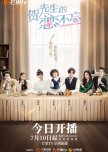
If you are looking for logic, narrative consistency, or main characters with the emotional maturity of actual adults, stay far away. Unforgettable Love starts off as an adorable romantic comedy, anchored by a simply delightful child (Xiao Bao) and great chemistry between the leads. But then, the screenwriters happen.
~ The Tropes Checklist (Episode 21 Onward) ~
The Sacrificial Lie: The female lead pretending not to love the CEO anymore to 'protect' him (with the emotional maturity of a twelve-year-old).
Lazy Corporate Resolution: The corporate drama hand-waved away at the last minute by blaming a 'mysterious rival group,' while the ruthless aunt and rival simply vanish into thin air or get magically forgiven.
The Fast-Forward Finale: The classic 'rush to get married and off to Germany for a year' ending, crammed into the final 9 minutes.
~ The Final Verdict ~
In short: A show that glues you to the screen, makes your blood boil with frustration, and lets you predict every single predictable plot point. It makes you mad precisely because you want to love it. You watch it, you hate the writers, you melt over Xiao Bao, and you move on.
Recommended for: Viewers who adore adorable child actors, lovers of cute CEO-psychologist dynamics, and anyone with a high tolerance for late-game script trainwrecks.
---
ITA
Guida per l'Utente: Godetevi i primi 20 episodi, poi spegnete il cervello.
Se cercate logica, coerenza narrativa o protagonisti con la maturità emotiva di veri adulti, tenetevi alla larga. Unforgettable Love parte come un'adorabile commedia romantica, sostenuta da un bambino semplicemente delizioso (Xiao Bao) e da una fantastica chimica tra i protagonisti. Poi, però, arrivano gli sceneggiatori.
~ La Checklist dei Cliché (Dall'Episodio 21 in poi) ~
La Bugiarda Sacrificale: La protagonista femminile che finge di non amare più il CEO per "proteggerlo" (con la maturità emotiva di una dodicenne).
La Pigra Risoluzione Aziendale: Il dramma societario archiviato con disinvoltura all'ultimo minuto dando la colpa a un "misterioso gruppo rivale", mentre la spietata zia e la rivale svaniscono nel nulla o vengono magicamente perdonate.
Il Finale in Avanti Veloce: Il classico finale "corsa al matrimonio e via in Germania per un anno", stipato negli ultimi 9 minuti.
~ Il Giudizio Finale ~
In breve: Uno show che vi incolla allo schermo, vi fa bollire il sangue dalla frustrazione e vi fa prevedere ogni singolo e scontato risvolto della trama. Vi fa arrabbiare proprio perché vorreste amarlo. Lo guardate, odiate gli sceneggiatori, vi sciogliete per Xiao Bao e andate avanti.
Consigliato a: Chi adora i baby attori irresistibili, gli amanti della dinamica CEO-psicologa e chiunque abbia un'elevata tolleranza per i deragliamenti di sceneggiatura sul finale.
Was this review helpful to you?
This review may contain spoilers
Close Encounters of the Third Kind: When Romance Outshines NASA
[Italian Version Below / Versione Italiana in Basso]ENG
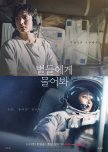
Earning a strong 9/10, When the Stars Gossip (Ask the Stars) is a deeply misunderstood romance that suffers not from its core characters, but from misplaced audience expectations — even if noticeable script plot holes prevent it from reaching a perfect score. If viewed strictly through the rigid lens of hard sci-fi, one might stumble over technical inconsistencies. However, a fair review must respect the primary narrative contract made with the viewer: this is, first and foremost, an adult, non-toxic romantic comedy set against an extraordinary backdrop.
~ The Purest Hippocratic Oath ~
At the center of the story stands Lee Min-ho’s Gong Ryung, an obstetrician-gynecologist whose absolute dedication to saving lives becomes the emotional anchor of the series. He represents the exact antithesis of toxic, manipulative medical/psychological figures in K-dramaland (such as the infamous Dr. Daniel in Clean with Passion for Now) — Ryung's empathy is pure, untainted by male ego, and unwavering even in zero gravity. His instinct to care for others transforms potentially chaotic space emergencies into quiet displays of profound human warmth.
~ Parity, Respect, and Zero Red Flags ~
The dynamic between Ryung and Captain Eve Kim (Gong Hyo-jin) is a brilliant study in mutual respect between two high-functioning, mature adults. From their early banter to the tender scene where he treats her injured foot, their intimacy is built on parity. Eve remains a formidable, authoritative female lead without ever being diminished, while Ryung brings emotional intelligence and receptivity to the table. Their relationship is completely free of toxic red flags, jealousy plays, or forced submission — even if the narrative still pays its inevitable dues to standard K-drama second-lead tropes.
~ Axioms of Zero-Gravity Intimacy ~
The romance navigates its unique setting with both humor and emotional weight. As a romantic corollary: put two vulnerable humans together to share body heat — whether on Earth or stranded in deep space — and passion is inevitably lurking around the corner! While the climax yields to the frustratingly ambiguous "Korean-style happy ending" that leaves the viewer emotional yet longing for firmer closure, the emotional journey itself remains captivating.
~ The Final Verdict ~
A solid 9/10 that rewards warmth, adult chemistry, and stellar performances. Despite a script that sometimes stumbles between genres and leaves plot holes along the way, When the Stars Gossip delivers precisely what it promised in terms of heart and mutual respect.
Recommended for: Viewers looking for mature romantic dynamics, fans of non-toxic male leads, and those who evaluate a rom-com by the depth of its emotional truth rather than NASA technical manuals.
---
ITA
Incontri Ravvicinati del Terzo Tipo: Quando il Romance Batte la NASA
Aggiudicandosi un solido 9/10, When the Stars Gossip (Ask the Stars) si rivela un drama profondamente incompreso, vittima non dei suoi protagonisti ma delle aspettative sballate del pubblico — anche se evidenti buchi di sceneggiatura le impediscono di raggiungere la perfezione assoluta. Se approcciato con la lente rigida della fantascienza pura, lo spettatore finirà inevitabilmente per inciampare in qualche ingenuità tecnica. Tuttavia, la vera critica deve sempre rispettare il patto narrativo stipulato con chi guarda: questa è, prima di ogni altra cosa, una commedia romantica matura, anti-tossica e profondamente umana.
~ La Vocazione Medica Pura ~
Il cuore pulsante dell'opera è il Gong Ryung di Lee Min-ho, un ginecologo la cui dedizione viscerale al Giuramento d'Ippocrate diventa l'ancora emotiva dell'intera serie. Ryung rappresenta l'esatto opposto dei medici o delle figure sanitarie manipolatrici a cui la serialità coreana ci ha abituati (come il famigerato Dottor Daniel di Clean with Passion for Now) — la sua è empatia pura, priva di ego maschilista e incrollabile persino a gravità zero. Il suo istinto di cura trasforma le emergenze spaziali in momenti di autentica e toccante umanità.
~ Parità, Rispetto e Zero Red Flag ~
La dinamica tra Ryung e il Capitano Eve Kim (Gong Hyo-jin) è uno studio magistrale sul rispetto reciproco tra due adulti compiuti. Dalle prime scaramucce alla delicatezza della scena in cui lui le medica il piede ferito, la loro intimità si fonda su una parità assoluta. Eve è una donna d'acciaio, forte e autorevole, che non viene mai ridimensionata per far sfigurare l'eroe; Ryung è la controparte emotiva e ricettiva. La loro storia è un'oasi priva di red flag, ripicche o gelosie tossiche — anche se la sceneggiatura deve comunque pagare il solito tributo formale al cliché del second lead.
~ Gli Assiomi del Calore Umano ~
La componente romance gestisce la sua ambientazione originale con ironia e peso emotivo. Del resto, vale l'assioma universale: mettete due persone nude a tenersi caldo per sopravvivere — che sia sulla Terra o a bordo di una stazione spaziale — e il patatrac sentimentale è dietro l'angolo! E sebbene il finale ceda al solito "happy ending alla coreana" (quel finale sospeso e un po' frustrante che ti emoziona ma ti lascia con la voglia di una chiusura più netta), il viaggio emotivo resta di alto livello.
~ Il Giudizio Finale ~
Un 9/10 meritato che premia il calore umano e la chimica matura di due interpreti straordinari. Nonostante una scrittura che talvolta balbetta tra i generi e lascia qualche buco di trama di troppo, When the Stars Gossip mantiene la promessa fatta allo spettatore sul piano dei sentimenti e del rispetto reciproco.
Consigliato a: Chi cerca una rom-com adulta e priva di tossicità, agli amanti dei personaggi maschili empatici e a chi sa valutare un'opera per la verità emotiva che trasmette anziché fare il "fact-checking" ai manuali della NASA.
Was this review helpful to you?
This review may contain spoilers
Beatings? Yes, But With a Smile: Subversive Justice and Fantasy Romance
[Italian Version Below / Versione Italiana in Basso]ENG
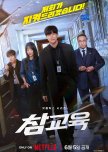
Scoring a full 10/10, Teach You a Lesson (2026) delivers a masterclass in action-comedy — a show that takes revenge, justice, and heavy martial-arts beatings and infuses them with subversively clever satire, razor-sharp banter, and fantastic ensemble dynamics.
~ "Beatings? Yes, But With a Smile" ~
The defining magic of the show rests on a brilliant reversal of classic K-drama tropes. That arrogant, smug grin of impunity — usually reserved for toxic CEOs, rich bullies, or delinquents who think they are untouchable — is seized by our protagonist and turned right back on them. His message is clear: "This time, my smile is going to wipe yours off your face." Delivering deserved beatdowns with a calm, teasing grin keeps the heavy justice-seeking narrative cathartic, light-hearted, and endlessly satisfying.
~ Fantasy-Style Romance and High-Octane Action ~
While the physical action remains the dominant core, the show breathes through its hilarious subplots. The dynamic within the Bureau — especially the "fantasy-like" romance between the tech nerd and the rigid, no-nonsense female sergeant — injects a spicy, chaotic flavor that elevates the entire story. If there is one minor nitpick in an otherwise flawless run, it lies in the climax: rather than taking a dramatic knife wound to prove a point, a true-to-form, epic beatdown would have fit the show's unyielding spirit much better.
~ The Final Verdict ~
Exhilarating, subversive, and packed with charm. A 10/10 action-comedy that proves beatdowns are best served with top-shelf banter, brilliant ensemble chemistry, and a permanent, victorious smile.
Recommended for: Fans of action-comedies, viewers tired of arrogant toxic leads, and anyone looking for a cathartic, smile-inducing justice drama.
---
ITA
Mazzate? Sì, Ma Col Sorriso: Giustizia Sovversiva e Romance "Fantasy"
Aggiudicandosi un 10/10 pieno e strameritato, Teach You a Lesson (2026) si rivela una lezione magistrale di action-comedy — un drama che prende il tema della giustizia e delle legnate a mano armata per trasformarlo in uno spettacolo travolgente, ricco di satira intelligente e un'intesa tra i personaggi a dir poco fenomenale.
~ "Mazzate? Sì, ma col sorriso" ~
La vera magia della serie sta nel ribaltamento geniale di un classico cliché. Quel sorriso beffardo, strafottente e pieno di impunità — solitamente riservato ai CEO arroganti, ai bulli minorenni o ai soliti second lead tossici che si credono intoccabili — viene finalmente preso dal protagonista e usato come arma contro di loro. Il messaggio è chiarissimo: "Stavolta sarà il mio sorriso a toglierti il tuo dalla faccia". Distribuire sventole e lezioni di vita con quel ghigno serafico rende la narrazione catartica, divertentissima e immensamente soddisfacente.
~ Romance "Fantasy" e Azione ad Alto Voltaggio ~
Se l'azione e le mazzate rappresentano il piatto forte, la serie respira grazie a sottotrame comiche azzeccatissime. La dinamica all'interno del Bureau — e in particolare la storia d'amore quasi "fantasy" (per quanto improbabile e spassosa) tra il nerd tecnologico e la sergentessa tutta d'un pezzo — aggiunge una nota spicy e caotica che regala momenti di commedia pura. Se proprio vogliamo trovarle un microscopico pelo nell'uovo in un 10/10 perfetto, sta nel rush finale: la scena in cui il protagonista si fa accoltellare risulta un po' un eccesso drammatico; vederlo fracassarlo di mazzate nel puro stile della serie sarebbe stato ancora più coerente e liberatorio!
~ Il Giudizio Finale ~
Elettrizzante, sovversivo e dotato di un fascino irresistibile. Un 10/10 che dimostra come le lezioni di vita più soddisfacenti siano quelle servite con battute affilate, un gruppo affiatato e, soprattutto, un grande sorriso sulle labbra.
Consigliato a: Amanti delle action-comedy, chi è stanco dei soliti bulli impuniti e a chiunque cerchi un drama d'azione catartico, ritmato e incredibilmente spassoso.
Was this review helpful to you?
This review may contain spoilers
The Triumph of Hope: Professional Masterclass, Sisterhood, and Healing
[Italian Version Below / Versione Italiana in Basso]ENG
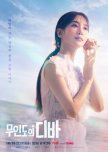
Holding a strong 10/10 score, Castaway Diva is a triumphant, emotionally resonant masterpiece that balances the dark reality of domestic trauma — with the soaring, restorative power of music and human connection.
~ Park Eun-bin: A Monumental Force of Professionalism ~
Following her iconic turn in Extraordinary Attorney Woo, Park Eun-bin solidifies her status as a titan of South Korean television. Rejecting vocal doubles, she underwent six months of rigorous vocal training to sing every single high note live — and the result is history. Her portrayal of Seo Mok-ha is layered with innocence, resilience, and boundless optimism. The heavy dark background of severe domestic abuse — a necessary narrative weight to justify 15 years of isolation on a deserted island (far beyond trivial family disputes) — makes her unyielding light and determination all the more remarkable.
~ A Pure Sisterhood: Beyond the Idol Trope ~
The heart of the drama lies in the extraordinary dynamic between Mok-ha and her washed-up idol, Yoon Ran-joo. Seeing Mok-ha, fresh off 15 years of isolation, throw herself into supporting Ran-joo with lime-green balloons, fan chants, and ghost vocals is profoundly moving. In return, the narrative avoids the tired trope of jealous mentors. Ran-joo’s willingness to step back, publicly credit Mok-ha's talent, and champion her rise creates a rare, magnificent portrait of mutual healing and non-toxic female sisterhood.
~ Mystery Handled with Emotional Grace ~
While the identity mystery surrounding Jung Ki-ho relies on classic K-drama tropes, it is executed without toxic misunderstandings. The eventual emotional reveal between Mok-ha and her childhood savior delivers a deeply cathartic moment, proving that trauma can be overcome when built on quiet protection and enduring loyalty.
~ The Final Verdict ~
Inspirational, beautifully acted, and vocally stunning. A 10/10 drama that proves how passion, loyalty, and sheer talent can rebuild a life from the ashes of severe adversity.
Recommended for: Fans of Park Eun-bin, lovers of uplifting musical dramas, and anyone seeking a story of resilient sisterhood and emotional healing.
---
ITA
Il Trionfo della Speranza: Lezione di Professionalità, Sorellanza e Guarigione
Confermando un 10/10 pieno e incrollabile, Castaway Diva si attesta come un capolavoro di impatto emotivo straordinario, capace di bilanciare il dramma cupo degli abusi familiari — con il potere curativo e travolgente della musica e dei legami umani.
~ Park Eun-bin: Un Monumento di Professionalità e Talento ~
Dopo l'interpretazione iconica in Straordinaria Avvocata Woo, Park Eun-bin si conferma una certezza granitica del panorama televisivo. Rifiutando categoricamente l'uso di doppiatrici vocali, si è sottoposta a sei mesi di duro addestramento canoro per eseguire personalmente ogni singolo brano — e il risultato è semplicemente storia. La sua Seo Mok-ha è un concentrato di resilienza, innocenza e ottimismo incrollabile. La premessa di un passato cupo e segnato da violenze domestiche era necessaria per giustificare un naufragio di 15 anni su un'isola deserta (altro che litigi per un cellulare nuovo!) — rendendo la sua luce e la sua voglia di vivere ancora più potenti.
~ Un'Autentica Sorellanza: Oltre l'Invidia dell'Idol ~
Il vero cuore pulsante della serie risiede nello splendido rapporto tra Mok-ha e il suo idolo al tramonto, Yoon Ran-joo. Veder risorgere un'artista dimenticata grazie all'energia pura di Mok-ha — che si spende tra palloncini color limone, tifo organizzato e canto dietro le quinte — è commovente. La narrazione rifiuta saggiamente i soliti cliché da mentore invidiosa: Ran-joo riconosce il valore di Mok-ha, ammette la verità e le cede il palcoscenico con immensa gratitudine, regalandoci un ritratto di sorellanza e riscatto femminile di rara bellezza.
~ Un Mistero Gestito con Grazia Emotiva ~
Sebbene il nodo dell'identità di Jung Ki-ho utilizzi un classico espediente da K-drama, la rivelazione evita la tossicità e regala un momento di ritrovo toccante e catartico. Serve a dimostrare che, nonostante il terrore del passato, la lealtà e la protezione reciproca possono sopravvivere a qualsiasi tempo e distanza.
~ Il Giudizio Finale ~
Ispirazionale, recitato in modo magistrale e con una colonna sonora da brividi. Un 10/10 che dimostra come il talento, la gentilezza e la passione possano ricostruire una vita intera anche dopo il naufragio più lungo.
Consigliato a: Tutti gli estimatori di Park Eun-bin, agli amanti dei drama musicali motivazionali e a chi cerca una storia profonda sulla forza del riscatto e della sorellanza.
Was this review helpful to you?
This review may contain spoilers
The Dignity of Fragility: A Masterclass in Emotional Empathy
[Italian Version Below / Versione Italiana in Basso]ENG
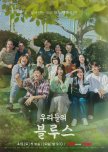
In a television landscape often guilty of using disability as a cheap tear-jerker or an instrument of emotional blackmail, Our Blues — and specifically the story arc centered on Lee Young-ok (played by a magnificent Han Ji-min) — delivers a masterclass in human dignity, respect, and mature storytelling.
~ The Ethics of Self-Sacrifice: A Parallel with One Spring Night ~
What makes Young-ok's hesitation so heartbreakingly believable is not a fear of commitment, but a profound sense of protective unworthiness. She puts up emotional walls and tries to push Jeong-jun away not out of indecision, but because she believes she doesn't deserve a peaceful relationship. Accepting his love feels like selfishly dragging a good, innocent man into a lifelong burden he shouldn't have to carry. This selfless self-sabotage mirrors the emotional core of One Spring Night — where the single father hesitates to embrace love out of fear of burdening the other person. It is a nuanced, deeply human portrayal of how guilt and responsibility shape romantic agency.
~ Beyond Pietism: Down Syndrome Rendered with Grace ~
What elevates this specific narrative arc to absolute greatness is its refusal to weaponize pity. The portrayal of Down syndrome is handled with remarkable empathy, warmth, and genuine affection, completely devoid of ridiculing caricatures or patronizing sympathy. Much like Mad for Each Other and It’s Okay to Not Be Okay, the series approaches psychological burden, trauma, and human vulnerability not as tropes to be exploited, but as deeply human experiences requiring care and understanding.
~ The Final Verdict ~
A deeply therapeutic, soul-soothing watch that treats delicate social themes with the warmth and respect they deserve. Han Ji-min shines in a role of profound complexity, delivering a performance that heals the heart without ever resorting to cheap sentimentality.
Recommended for: Viewers seeking mature, empathetic portrayals of mental health and disability, fans of raw slice-of-life storytelling, and anyone who appreciates character-driven dramas that respect the audience's intelligence.
---
ITA
La Dignità della Fragilità: Una Lezione Magistrale di Empatia Emotiva
In un panorama televisivo spesso colpevole di usare la disabilità come becero acchiappa-lacrime o strumento di ricatto morale, Our Blues — e nello specifico l'arco narrativo incentrato su Lee Young-ok (interpretata da una magnifica Han Ji-min) — offre una lezione magistrale di dignità umana, rispetto e scrittura matura.
~ L'Etica dell'Auto-Sacrificio: Il Parallelo con One Spring Night ~
Ciò che rende la ritrosia di Young-ok così dolorosamente credibile non è la paura dei sentimenti, ma un profondo e protettivo senso di inadeguatezza. Mette le mani avanti e tenta di allontanare Jeong-jun non per indecisione, ma perché è convinta di non potersi "permettere" una felicità senza prezzo. Nella sua testa, accettare quell'amore significa egoisticamente accollare a un uomo perbene un peso enorme che lui non merita di portare. Questo autolesionismo altruista richiama da vicino la dinamica emotiva di One Spring Night — dove il protagonista ragazzo padre esita a lasciarsi andare per paura di diventare una zavorra per la donna che ama. È una rappresentazione sottile e immensamente humana di come il senso di colpa modelli le nostre scelte affettive.
~ Oltre il Pietismo: La Sindrome di Down Raccontata con Grazia ~
Ciò che eleva questo specifico segmento della serie a livelli eccelsi è il totale rifiuto della pietà di maniera. La rappresentazione della Sindrome di Down viene gestita con uno straordinario equilibrio tra empatia, calore e affetto genuino, senza mai scivolare nella caricatura o nella commiserazione paternalistica. Sulla scia di capolavori come Mad for Each Other e It’s Okay to Not Be Okay, lo show affronta il peso psicologico, il trauma e la vulnerabilità umana non come cliché da sfruttare, ma come esperienze profonde che richiedono cura e rispetto.
~ Il Giudizio Finale ~
Una visione profondamente terapeutica, un toccasana per il cuore che tratta temi sociali delicatissimi con il calore che meritano. Han Ji-min brilla in un ruolo di rara complessità, regalando una prova che cura l'anima senza mai cedere a un facile e stucchevole sentimentalismo.
Consigliato a: Chi cerca una rappresentazione matura ed empatica della salute mentale e della disabilità, agli amanti dello slice-of-life autentico e a chiunque apprezzi le storie guidate dai personaggi che rispettano l'intelligenza dello spettatore.
Was this review helpful to you?
This review may contain spoilers
"Not Forgiving Is Justice": Honoring the Revenge Pact
[Italian Version Below / Versione Italiana in Basso]ENG
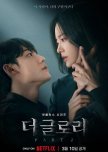
The single, horrifying image of a curling iron burning flesh is all it takes to set The Glory in motion, but what follows isn't just a shock-value thriller—it’s a masterclass in staying honest with the audience. Whether it's the visceral brutality of Vincenzo or the cold, calculated revenge of Eve, a great drama must respect its narrative pact with the viewer. Where shows like Taxi Driver failed by softening their edge, The Glory delivers a relentless, unyielding story of pure retribution.
~ Casting Precision and Cold Intensity ~
Song Hye-kyo’s performance is nothing short of a revelation. Stripped of all glamour, her icy, hollowed-out presence carries the weight of an eighteen-year-old trauma. While brilliant actresses like Han Ji-min might carry too much natural softness for a role like this, Song Hye-kyo embodies the same deadly, feline darkness that Seo Yea-ji brought to Eve. She isn't playing a hero; she is a walking ghost executing a precision strategy.
~ The Tree in the Woods: Every Bully Meets Their Destiny ~
They say "to err is human, to forgive is divine." But in The Glory, not forgiving is justice. There is no cheap moralizing, no redemption arcs, and no absurd "turn the other cheek" preaching. Instead of direct violence, the protagonist lets the bullies’ own greed, arrogance, and moral decay destroy them from within. As an old off-piste skiing saying goes: "Everyone in life has a tree waiting for them, and sooner or later, they will crash into it." In this story, Dong-eun is simply the mountain guide leading them straight into their tree.
~ The Final Verdict ~
A deeply satisfying, razor-sharp masterpiece that never betrays its premises. Visually striking, impeccably acted, and intensely gratifying.
Recommended for: Viewers tired of forced forgiveness, fans of meticulous revenge thrillers, and anyone who respects a drama that honors its pact with the audience.
---
ITA
"Non Perdonare è Giustizia": L'Onestà della Vendetta
Basta il ricordo raccapricciante di una piastra per capelli usata come strumento di tortura per marchiare a fuoco l'incipit di The Glory. Ma ciò che segue non è un semplice thriller ad effetto: è una lezione di onesta intellettuale. Che si tratti della brutalità viscerale di Vincenzo o di quella calcolata e psicologica di Eve, un grande drama deve prima di tutto rispettare il patto con lo spettatore. E dove serie come Taxi Driver hanno fallito le premesse edulcorando la pillola, The Glory rimane spietato e coerente dall'inizio alla fine.
~ Casting Chirurgico e Intensita Glaciale ~
L'interpretazione di Song Hye-kyo e una rivelazione. Svestita di ogni glamour, la sua presenza spettrale e glaciale regge interamente il peso di un trauma lungo diciotto anni. Se attrici straordinarie come Han Ji-min avrebbero forse portato troppa "morbidezza" naturale per un ruolo simile, Song Hye-kyo riesce a toccare quella stessa oscurità felina e mortale mostrata da Seo Yea-ji in Eve. Non gioca a fare l'eroina: è un fantasma che esegue una partita a scacchi mortale.
~ L'Albero nel Bosco: Ognuno Incontra la Propria Pianta ~
Si dice che "errare è umano, perdonare è divino". Ma in The Glory, non perdonare è pura giustizia. Non c'è spazio per morali assicuranti, finti percorsi di redenzione o la solita predica del "porgi l'altra guancia". La protagonista non si sporca le mani: lascia che siano l'avidita, l'arroganza e il marciume dei suoi aguzzini a distruggerli dall'interno. Come si diceva un tempo andando a sciare fuoripista: "Tutti nella vita hanno una pianta, e prima o poi la incontrano". E in questa storia, i bulli finiscono esattamente a schiantarsi contro il proprio albero.
~ Il Giudizio Finale ~
Un capolavoro affilato, catartico e immensamente soddisfacente, che non tradisce mai le sue premesse e regala una giustizia spietata senza finti buonismi.
Consigliato a: Chi è stanco del perdonismo a tutti i costi, chi ama i revenge-thriller psicologici e chi pretende che una serie mantenga le promesse fatte allo spettatore.
Was this review helpful to you?
This review may contain spoilers
"Not Forgiving Is Justice": Honoring the Revenge Pact
[Italian Version Below / Versione Italiana in Basso]ENG
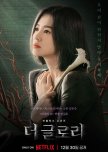
The single, horrifying image of a curling iron burning flesh is all it takes to set The Glory in motion, but what follows isn't just a shock-value thriller — it’s a masterclass in staying honest with the audience. Whether it's the visceral brutality of Vincenzo or the cold, calculated revenge of Eve, a great drama must respect its narrative pact with the viewer. Where shows like Taxi Driver failed by softening their edge, The Glory delivers a relentless, unyielding story of pure retribution.
~ Casting Precision and Cold Intensity ~
Song Hye-kyo’s performance is nothing short of a revelation. Stripped of all glamour, her icy, hollowed-out presence carries the weight of an eighteen-year-old trauma. While brilliant actresses like Han Ji-min might carry too much natural softness for a role like this, Song Hye-kyo embodies the same deadly, feline darkness that Seo Yea-ji brought to Eve. She isn't playing a hero; she is a walking ghost executing a precision strategy.
~ The Tree in the Woods: Every Bully Meets Their Destiny ~
They say "to err is human, to forgive is divine." But in The Glory, not forgiving is justice. There is no cheap moralizing, no redemption arcs, and no absurd "turn the other cheek" preaching. Instead of direct violence, the protagonist lets the bullies’ own greed, arrogance, and moral decay destroy them from within. As an old off-piste skiing saying goes: "Everyone in life has a tree waiting for them, and sooner or later, they will crash into it." In this story, Dong-eun is simply the mountain guide leading them straight into their tree.
~ The Final Verdict ~
A deeply satisfying, razor-sharp masterpiece that never betrays its premises. Visually striking, impeccably acted, and intensely gratifying.
Recommended for: Viewers tired of forced forgiveness, fans of meticulous revenge thrillers, and anyone who respects a drama that honors its pact with the audience.
---
ITA
"Non Perdonare è Giustizia": L'Onestà della Vendetta
Basta il ricordo raccapricciante di una piastra per capelli usata come strumento di tortura per marchiare a fuoco l'incipit di The Glory. Ma ciò che segue non è un semplice thriller ad effetto: è una lezione di onestà intellettuale. Che si tratti della brutalità viscerale di Vincenzo o di quella calcolata e psicologica di Eve, un grande drama deve prima di tutto rispettare il patto con lo spettatore. E dove serie come Taxi Driver hanno fallito le premesse edulcorando la pillola, The Glory rimane spietato e coerente dall'inizio alla fine.
~ Casting Chirurgico e Intensità Glaciale ~
L'interpretazione di Song Hye-kyo è una rivelazione. Svestita di ogni glamour, la sua presenza spettrale e glaciale regge interamente il peso di un trauma lungo diciotto anni. Se attrici straordinarie come Han Ji-min avrebbero forse portato troppa "morbidezza" naturale per un ruolo simile, Song Hye-kyo riesce a toccare quella stessa oscurità felina e mortale mostrata da Seo Yea-ji in Eve. Non gioca a fare l'eroina: è un fantasma che esegue una partita a scacchi mortale.
~ L'Albero nel Bosco: Ognuno Incontra la Propria Pianta ~
Si dice che "errare è umano, perdonare è divino". Ma in The Glory, non perdonare è pura giustizia. Non c'è spazio per morali rassicuranti, finti percorsi di redenzione o la solita predica del "porgi l'altra guancia". La protagonista non si sporca le mani: lascia che siano l'avidità, l'arroganza e il marciume dei suoi aguzzini a distruggerli dall'interno. Come si diceva un tempo andando a sciare fuoripista: "Tutti nella vita hanno un albero, e prima o poi lo incontrano". E in questa storia, i bulli finiscono esattamente a schiantarsi contro il proprio albero.
~ Il Giudizio Finale ~
Un capolavoro affilato, catartico e immensamente soddisfacente, che non tradisce mai le sue premesse e regala una giustizia spietata senza finti buonismi.
Consigliato a: Chi è stanco del perdonismo a tutti i costi, chi ama i revenge-thriller psicologici e chi pretende che una serie mantenga le promesse fatte allo spettatore.
Was this review helpful to you?
This review may contain spoilers
"Only a Monster Can Defeat Another Monster": Pure Karmic Destruction Without Moral Hypocrisy
[Italian Version Below / Versione Italiana in Basso]ENG
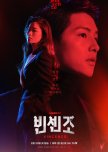
Watching Vincenzo dubbed in any language is practically a crime against television — to truly appreciate Song Joong-ki’s icy, charismatic performance, his iconic Italian profanities, and the sharp shifts in tone, viewing it in its original Korean audio is non-negotiable. Earning a flawless 10/10, Vincenzo stands as a masterpiece of dark comedy, stylized violence, and relentless anti-hero storytelling.
~ A Criminal with a Capital C: Beyond the Taxi Driver Trope ~
Unlike typical revenge narratives or shows like Taxi Driver that get caught in the oxymoron of a "righteous, moral revenge," Vincenzo Cassano never pretends to be a good person. He is a mafia consigliere with a capital C. He doesn't seek redemption, nor does he hide behind vigilantism. When facing the corrupt, sociopathic monsters of Babel, he doesn't try to reform them or rely on a broken legal system — he utterly destroys them without mercy or false moralizing. It is pure, unrelenting karmic justice.
~ Gold Under the Monks and Chaotic Complicity ~
What elevates the series to greatness is its staggering tonal balance. For every brutal mafia execution or psychological mind game, there is brilliant, chaotic dark comedy — like the hilarious predicament of the gold buried directly under the Buddhist temple, with the oblivious monks accidentally thwarting his excavation plans at every turn. Combined with the sharp, unconventional partnership between Vincenzo and Hong Cha-young, the show effortlessly navigates between comedy and ruthless crime.
~ The Final Verdict ~
Sleek, violently entertaining, and unapologetically dark, Vincenzo delivers a masterclass in how to write an unredeemed anti-hero. An absolute 10/10 masterpiece that proves that sometimes, only a monster can clean up the trash.
Recommended for: Viewers who watch in original audio, fans of dark comedy and mafia thrillers, and anyone tired of overly righteous heroes who spare the bad guys.
---
ITA
"Solo un Mostro Può Sconfiggere un Altro Mostro": Pura Distruzione Karmica Senza Falsi Moralismi
Guardare Vincenzo doppiato è un vero e proprio reato: per apprezzare fino in fondo la recitazione glaciale e magnetica di Song Joong-ki, le sue iconiche imprecazioni in italiano e i continui cambi di tono, la visione in lingua originale con audio coreano è semplicemente d'obbligo. Meritandosi un 10/10 pieno e indiscutibile, Vincenzo si attesta come un capolavoro assoluto di dark comedy, violenza stilizzata e narrazione spietata.
~ Un Criminale con la C Maiuscola: Oltre l'Ossimoro di Taxi Driver ~
A differenza delle classiche storie di vendetta o di serie alla Taxi Driver che incappano spesso nell'ossimoro della "giustizia morale", Vincenzo Cassano non finge mai di essere un eroe giustiziere. È un criminale e un consigliere mafioso con la C maiuscola. Non cerca il perdono né la redenzione. Di fronte ai mostri sociopatici e corrotti del Gruppo Babel, non tenta di rieducarli né si affida a un sistema giudiziario marcio: li spazza via senza pietà. È la vera essenza della giustizia karmica: distruzione pura, spietata e priva di qualsiasi ipocrisia.
~ L'Oro Sotto i Monaci e la Complicità del Geumga Plaza ~
Ciò che rende la serie un capolavoro è il suo incredibile equilibrio di toni. A ogni esecuzione mafiosa cruda o scontro psicologico fa da contraltare una commedia brillante e surreale — come l'esilarante situazione dell'oro nascosto proprio sotto il tempio buddista, con i monaci del tutto ignari che finiscono per ostacolare i suoi piani nei modi più assurdi. Il tutto arricchito dall'intesa travolgente e cinica tra Vincenzo e Hong Cha-young, finalmente lontana dai soliti cliché romantici edulcorati.
~ Il Giudizio Finale ~
Elegante, spietato, divertente e sfrontato, Vincenzo è una lezione di scrittura su come si costruisce un personaggio oscuro che non chiede scusa a nessuno. Un 10/10 indiscutibile che dimostra come, a volte, solo un mostro possa fare pulizia.
Consigliato a: Chi lo guarda rigorosamente in lingua originale, agli amanti della dark comedy e delle storie di mafia, e a chiunque sia stanco dei soliti eroi perbenisti che perdonano i cattivi.
Was this review helpful to you?

This review may contain spoilers
Pure Romance, Zero Toxicity: The Perfect Blend of Tsundere Charm and Genuine Heart
[Italian Version Below / Versione Italiana in Basso]ENG
In a subgenre often cluttered with toxic tropes and exhausting misunderstandings, An Incurable Case of Love stands out as a flawless, utterly adorable romantic comedy. What could have easily been a generic "cold doctor meets clumsy nurse" story transforms into a masterclass in pacing, warm-hearted humor, and genuine affection, fully deserving of a perfect score.
~ The Yuusha and the Demon Lord: Clumsy Yet Never a Caricature ~
The dynamic between Tendo (the "Demon Lord") and Sakura (the "Hero") is pure magic. Sakura’s awkwardness never degrades her into a cheap caricature — instead, she is portrayed as a woman of immense heart and unwavering perseverance. Even when she decides to leave for her hometown to protect him, it never feels like a forced, frustrating K-drama trope — it reads as an act of selfless, pure love.
~ Unforgettable Comedy and Subtle Gestures ~
The humor in this series is priceless and deeply memorable. From her priceless, stunned reaction ("Eeeeehhh?!") when Tendo casually suggests they start dating right outside her apartment after she complains about her "first kiss," to the quiet tenderness of the chocolate cream puff scene at the park. When he dryly hands her a puff she mistakes for regular cream, only to realize too late it's the special Valentine's Day chocolate edition — his deadpan "if you don't want it, give it back" is comedy gold.
~ The Final Verdict ~
An absolute 10/10 masterpiece of lighthearted romance. It proves that you can deliver top-tier tsundere tropes without a single drop of toxic behavior, replacing it with pure charm, hilarity, and emotional warmth.
Recommended for: Fans of classic Japanese J-dramas, top-tier medical romances, flawless comedic timing, and zero-toxicity love stories.
---
ITA
Puro Romanticismo e Zero Tossicità: La Ricetta Perfetta tra Fascino Tsundere e Cuore Generoso
In un genere spesso soffocato da tropi tossici e incomprensioni estenuanti, An Incurable Case of Love brilla come una commedia romantica impeccabile e assolutamente adorabile. Quella che poteva sembrare la solita storia del "dottore freddo e l'infermiera goffa" si trasforma in una lezione di ritmo, umorismo genuino e profonda tenerezza, meritandosi un 10/10 pieno.
~ Il Re Demone e la Guerriera: Goffa ma Mai Macchietta ~
La dinamica tra il Dottor Tendo e la giovane Sakura è pura magia. La goffaggine di lei non la trasforma mai in una macchietta stucchevole; al contrario, Sakura dimostra di essere una persona di grandissimo cuore e dalla perseveranza incrollabile. Persino quando decide di fare un passo indietro e tornare al suo paese pur di proteggere il dottore, il gesto non appare come il solito tropo frustrante da K-drama, ma come un atto di vero e disinteressato amore.
~ Gag Indimenticabili e Piccoli Dettagli d'Amore ~
L'umorismo della serie è impagabile. Dalla reazione paralizzata di lei ("Eeeeehhh?!") fuori dall'appartamento, quando lui le propone con totale nonchalance di uscire insieme dopo le lamentele sul "primo bacio", fino alla scena dolcissima dei panini alla crema al parco. Lui che le passa con faccia impassibile il panino al cioccolato fatto apposta per San Valentino e, di fronte all'ingenua sorpresa di lei, ribatte gelido "se non lo vuoi dammelo indietro" — una perla assoluta!
~ Il Giudizio Finale ~
Un capolavoro da 10/10 nel suo genere. Dimostra che si può mettere in scena il classico romance tsundere senza una singola goccia di tossicità, sostituendola con spontaneità, risate e un romanticismo che scalda il cuore.
Consigliato a: Chi cerca J-drama romantici, dinamiche medico-infermiera esilaranti, grande intesa tra i protagonisti e zero drama tossici.
Was this review helpful to you?
This review may contain spoilers
The Sublime Art of Cathartic Revenge: Trash Disposal, Toxic Karma, and Poetic Justice
[Italian Version Below / Versione Italiana in Basso]ENG
For those who savor the subtle, intoxicating pleasure of a well-executed revenge drama, Marry My Husband is a delicious, highly addicting feast. While the heroine starts her second chance at life with a faint residue of guilt, any hesitation instantly vanishes under the sheer toxicity of her "best friend." Driven by Park Min-young’s stellar performance, this series delivers pure catharsis from start to finish.
~ "Thank You for Taking Out My Trash" ~
The moment Ji-won fully embraces her retribution is nothing short of iconic. Her line, "Thank you for taking out my trash," perfectly encapsulates the ultimate premise of the plot: passing her horrific original destiny to those who actually deserved it. The villains — played with such natural, skin-crawling malice that one might jokingly wonder if the actors are like that in real life — steal every scene they are in, making every step of their downfall immensely satisfying.
~ "Birds of a Feather": A Finale That Refuses Easy Outlets ~
The narrative builds masterfully toward the adage "birds of a feather flock together." In the end, the toxic duo turns on each other in a desperate bid for survival: she ends up orchestrating his death, only to land herself in prison, where she is relentlessly bullied by her cellmates. Unlike the Japanese adaptation — where the villain takes a soft way out by jumping from a Ferris wheel (a 7.5/10 resolution at best) — the Korean version demands absolute accountability. It is a long, agonizing road of suffering to reach the end, with the antagonists blocking every path, but the final payoff is immensely rewarding.
~ The Final Verdict ~
A masterclass in revenge melodramas that respects the viewer's desire for a true, earned happy ending. Park Min-young shines bright in a story that proves karma doesn't just hit back — it destroys.
Recommended for: Fans of time-travel revenge, satisfying villain downfalls, strong female leads, and cathartic happy endings.
---
ITA
La Sublime Arte della Vendetta Catartica: Spazzatura Riciclata, Karma Tossico e Giustizia Poetica
Per chi ama il piacere sottile e intossicante di una vendetta architettata alla perfezione, Marry My Husband è una festa deliziosa e ad alta dipendenza. Sebbene la protagonista inizi la sua seconda possibilità di vita con un lieve residuo di dispiacere, ogni esitazione svanisce all'istante di fronte alla pura tossicità della sua "migliore amica". Trascinato dalla recitazione eccelsa di Park Min-young, questo drama regala una catarsi pura dall'inizio alla fine.
~ "Grazie di Aver Raccolto la Mia Spazzatura" ~
Il momento in cui Ji-won abbraccia pienamente la sua vendetta è a dir poco iconico. La sua frase emblematica, "Grazie di aver raccolto la mia spazzatura", riassume alla perfezione il perno della trama: regalare il proprio destino miserabile a chi se lo meritava davvero. I due villain — interpretati con una cattiveria così naturale e viscerale che viene quasi da chiedersi se siano così odiosi anche nella vita reale — rubano la scena a tutti, rendendo ogni tappa del loro affondamento immensamente soddisfacente.
~ "Chi Si Somiglia Si Piglia": Un Finale Senza Scappatoie ~
La narrazione dimostra con spietata esattezza il detto "chi si somiglia si piglia". Nel finale, la coppia tossica cerca di distruggersi a vicenda pur di salvarsi: lei riesce a farlo ammazzare, finendo però lei stessa in galera a subire il bullismo spietato delle compagne di cella. A differenza dell'adattamento giapponese — dove la villain sceglie la via di fuga fin troppo "comoda" della ruota panoramica (da 7.5/10 al massimo) — la versione coreana non concede sconti. È un lungo e sofferto percorso per raggiungere il traguardo, con i cattivi che ostacolano la protagonista in ogni modo, ma la ricompensa finale è un lieto fine strameritato.
~ Il Giudizio Finale ~
Una lezione di stile nei revenge drama che rispetta il desiderio dello spettatore di vedere la giustizia trionfare. Park Min-young brilla in una storia che dimostra che il karma non si limita a punire: distrugge.
Consigliato a: Chi ama i revenge drama con viaggi nel tempo, la caduta rovinosa dei villain, protagoniste forti e i lieti fine catartici e appaganti.
Was this review helpful to you?

This review may contain spoilers
A Severely Underrated Gem: Raw Trauma, Mental Health Empathy, and Slapstick Mastery
[Italian Version Below / Versione Italiana in Basso]ENG
Starting with the provocative premise that "rainy days bring out the crazy people," Mad for Each Other could have easily devolved into an insensitive parody. Instead, this 13-episode masterpiece delivers one of the most respectful, empathetic, and hilariously human depictions of mental health in modern Korean television. A criminally underrated drama that deserves a flawless score.
~ Humor, Respect, and Avoiding 90s Tropes ~
What makes this series extraordinary is its balance. It navigates heavy PTSD, paranoia, and severe anger management issues without ever turning its characters into cheap 90s shojo manga caricatures. The slapstick comedy never undermines the characters' dignity; rather, it highlights their human limitations while honoring their potential for growth. It validates their struggles while offering genuine, warm-hearted comfort.
~ The Weight of Society and Cops with Wit ~
The paranoia and judgment of the surrounding neighbors serve as a stark reminder of the social stigma attached to mental illness — a necessary tax paid to classic drama tropes. Yet, behind the chaos, the writing shines in its sharp, subtle details. A prime example is the brilliant arrest of the abusive ex: the detective nonchalantly admires the man's expensive watch, asking to see it up close, only to slap the handcuffs on the moment he extends his wrist. Brilliant, satisfying, and unpretentious.
~ The Final Verdict ~
Compact, fast-paced, and deeply moving, Mad for Each Other proves that short-form storytelling can hit harder than 16-hour melodramas. An absolute masterclass in romantic comedy with a beating heart.
Recommended for: Fans of tight-knit storytelling, genuine mental health representation, top-tier comedic chemistry, and deeply satisfying catharsis.
---
ITA
Una Gemma Sottovalutata: Traumi Crudi, Empatia per la Salute Mentale e Commedia Brillante
Partendo dalla premessa provocatoria secondo cui "i giorni di pioggia fanno uscire i matti", Mad for Each Other avrebbe potuto facilmente trasformarsi in una parodia di cattivo gusto. Invece, questo capolavoro di soli 13 episodi regala una delle rappresentazioni più rispettose, empatiche ed esilaranti della salute mentale nella serialità coreana. Un drama criminalmente sottovalutato che merita un voto pieno.
~ Comicità, Rispetto e Nessuna Macchietta ~
Ciò che rende straordinaria questa serie è il suo perfetto equilibrio. Affronta temi pesanti come PTSD, paranoia e gestione della rabbia senza mai trasformare i protagonisti nelle classiche macchiette da shojo manga anni '90. La commedia fisica non ridicolizza mai la dignità dei personaggi, ma ne descrive con delicatezza i limiti e le potenzialità, rispettando i loro traumi senza trasformarli in baracconi da fiera.
~ Il Giudizio Sociale e la Polizia con Astuzia ~
Il pregiudizio del condominio e la diffidenza della "gente normale" rappresentano lo scotto dei tropi classici da pagare per raccontare lo stigma sociale della malattia mentale. Ma sotto il caos apparente, la scrittura brilla nei dettagli secondari. Splendido l'aneddoto dell'arresto dell'ex abusivo: il poliziotto che punta il suo orologio costoso chiedendo con indifferenza di vederlo da vicino, per poi far scattare le manette non appena il tipo allunga il braccio. Semplice, soddisfacente e geniale.
~ Il Giudizio Finale ~
Compatto, ritmato e profondamente toccante, Mad for Each Other dimostra che si può dire tantissimo senza un grammo di grasso narrativo. Una vera e propria lezione di rom-com con un cuore enorme.
Consigliato a: Chi cerca storie brevi ma intense, un ritratto empatico dei traumi psicologici e una chimica comica e romantica da dieci e lode.
Was this review helpful to you?
This review may contain spoilers
A Dark Tim Burton-esque Fairytale: Raw Traumas, Gothic Charm, and Social Empathy
[Italian Version Below / Versione Italiana in Basso]ENG
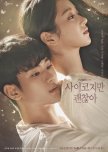
It's Okay to Not Be Okay stands as a bold, breathtaking gateway into a style of Korean storytelling capable of addressing delicate mental health themes with profound empathy, emotional dignity, and artistic courage.
~ The Unapologetic Opening: A Dark Fairytale ~
Right from its opening moments, the series sets a fierce, non-mainstream tone. Take the iconic restaurant scene: Ko Moon-young slicing an orange with a sharp steak knife, using the blade to intimidate a blackmailer, and casually traumatizing a little girl in a princess dress by reminding her that “fairytale books are not dreams, but reality checks.”
This isn’t a sugary romance; it is a Tim Burton-esque dark fairytale wrapped in gothic aesthetics, disturbing animation sequences, and a deeply antisocial lead heroine. Combining a heavy psychological profile with animated storytelling makes it a show that isn't for everyone — it demands a viewer willing to look beyond surface-level comfort.
~ The Power of Mutual Healing vs. Melodramatic Tropes ~
At its core, the series thrives through the extraordinary, non-stereotypical dynamic between the three leads. The journey toward healing shared by Gang-tae, Moon-young, and the autistic brother Sang-tae (played with monumental sensitivity by Oh Jung-se) is raw, beautiful, and emotionally grounding.
If there is a flaw, it lies in the late-stage turn toward high melodrama: the twist involving the villainous mother feels somewhat forced and formulaic, a typical K-drama trope injected into a narrative that was otherwise doing a masterclass job exploring real, grounded psychological trauma.
~ A Masterclass in Social Empathy ~
Looking across the broader landscape of television, It's Okay to Not Be Okay set a high benchmark for how brilliantly storytelling can handle delicate social issues — a standard later reflected in gems like Extraordinary Attorney Woo, Mad for Each Other, Tomorrow, and Wonderland. Rather than mocking or romanticizing mental illness and neurodivergence, it accords them absolute respect.
~ The Final Verdict ~
An unforgettable, beautifully shot, and emotionally resonant gothic drama. Despite a slightly forced melodramatic twist in the final act, it remains an extraordinary entry point into K-drama and a hauntingly beautiful tribute to broken people healing together.
Recommended for: Fans of gothic aesthetics, dark fairytales, deep psychological healing, and stories that treat mental health with genuine heart and empathy.
---
ITA
Una Favola Dark alla Tim Burton: Traumi Crudi, Fascino Gotico ed Empatia Sociale
It's Okay to Not Be Okay si erge a porta d'ingresso folgorante e coraggiosa verso una narrazione capace di affrontare le tematiche delicate della salute mentale con profonda empatia, dignità emotiva e un raro coraggio artistico.
~ Un Inizio Senza Filtri: La Favola Dark ~
Fin dai primissimi minuti, la serie mette in chiaro di non voler compiacere nessuno. Prendete l'iconica scena al ristorante: Ko Moon-young che taglia un'arancia con un affilato coltello da bistecca, lo usa per ferire un ricattatore e poi spaventa a morte una bambina vestita da principessa ricordandole che “le fiabe non sono sogni, ma promemoria della realtà”.
Questa non è la solita commedia romantica zuccherosa; è una favola dark in pieno stile Tim Burton, avvolta in un'estetica gotica, sequenze d'animazione inquietanti e una protagonista affetta da un evidente disturbo antisociale. L'uso dell'animazione abbinato a profili psicologici così duri non è di immediata lettura per chiunque: richiede uno spettatore disposto a guardare oltre la solita superficie rassicurante.
~ La Potenza della Guarigione vs. la Piega Melodrammatica ~
Il vero cuore pulsante dello show risiede nella straordinaria dinamica di guarigione reciproca tra i tre protagonisti. Il percorso condiviso da Gang-tae, Moon-young e dal fratello autistico Sang-tae (interpretato con una sensibilità monumentale da Oh Jung-se) è viscerale, potente e privo di pietismo.
Se c'è una sbavatura, sta nella virata melodrammatica del finale: il colpo di scena legato alla madre-mostro appare un po' forzato e artificiale, una concessione ai classici cliché del genere dentro una storia che stava già facendo un lavoro magistrale nell'esplorare traumi psicologici reali e radicati.
~ Una Lezione di Empatia Sociale ~
Nel panorama seriale complessivo, It's Okay to Not Be Okay ha mostrato come si possano trattare le tematiche sociali con un rispetto e un'empatia rari — uno standard che avrebbe poi trovato riscontro in opere magnifiche come Avvocata Woo, Mad for Each Other, Tomorrow o Wonderland. Invece di scimmiottare la malattia mentale o la neurodivergenza, lo show regala loro una dignità immensa.
~ Il Giudizio Finale ~
Un drama gotico indimenticabile, visivamente magnifico e di grande impatto emotivo. Nonostante una virata melodrammatica un po' forzata nell'ultimo atto, resta un'esperienza di visione bellissima e un tributo toccante a come le persone "rotte" possano guarirsi a vicenda.
Consigliato a: Chi ama l'estetica gotica, le favole dark, i percorsi di guarigione psicologica e le storie che trattano la salute mentale con vero cuore e rispetto.
Was this review helpful to you?
This review may contain spoilers
A Masterclass in Realism, Courage, and Mature Romance
[Italian Version Below / Versione Italiana in Basso]ENG
Forget the trope-heavy coincidences, slapstick humor, or rich heirs saving defenseless female leads, One Spring Night is an absolute oasis of realism, emotional dignity, and quiet intensity. Guided by Director Ahn Pan-seok's signature atmospheric touch, it stands out as one of the most mature and grounded K-drama romances ever produced — a show that respects its audience from the very first minute to the last.
~ The Dynamics: Pride, Hesitation, and Real Stakes ~
On paper, this isn’t a fairytale romance; it’s a high-stakes social tightrope walk:
She is pragmatically trapped in a stagnant, obligation-filled relationship, terrified of the seismic wave that choosing her own happiness will unleash.
He is a cautious single father with a past, bearing the heavy societal stigma of Korean judgment, forced to walk on eggshells to protect his son and his own dignity.
When he discovers that her long-time boyfriend is actually his university alumnus/senior, his reaction isn't a reckless, dramatic pursuit — it’s a deliberate, painful step back. He sets clear boundaries not out of a lack of feeling, but out of absolute respect for everyone involved.
~ The Storytelling: Micro-Details and Psychological Defense ~
The brilliance of this drama lies entirely in its microscopic non-verbal details and psychological accuracy.
Take the volleyball team dinner scene: when her boyfriend sitting right next to her fails to notice she dropped her chopsticks, it’s Ji-ho who silently passes her a new pair without even making eye contact, shielding her from embarrassment. That brief exchange — and her subtle blend of shyness and quiet satisfaction — speaks louder than a whole monologue.
Or look at her confronting him outside the restaurant for telling a harmless lie to his son about drinking. To a casual observer, she seems needlessly critical. In reality, she’s already fallen for him head over heels. Terrified of what she feels, she frantically hunts for moral flaws in him just to test his reliability and build a mental shield. Had she been indifferent, she would have walked away laughing; her pettiness is the ultimate proof that she has already crossed the point of no return.
~ Viewing Advice ~
Best enjoyed on a quiet rainy evening, wrapped in a blanket with a warm cup of tea, letting the haunting soundtrack and the unspoken glances do all the heavy lifting.
Recommended for: Fans of slow-burn adult romances, mature slice-of-life storytelling, realistic relationship dilemmas, and viewers who appreciate psychological depth over flashy clichés.
P.S. If you are looking for loud declarations of love or explosive drama, look elsewhere. This is romance played in key of whispers, side-eyes, and terrifyingly real choices.
---
ITA
Una pietra miliare del romance coreano: realismo, coraggio e maturità
Dimenticate le coincidenze forzate, la comicità esagerata o i soliti ricchi ereditieri pronti a salvare la protagonista indifesa, One Spring Night è un'oasi assoluta di realismo, dignità emotiva e intesa silenziosa. Con il tocco atmosferico inconfondibile del regista Ahn Pan-seok, si distingue come uno dei romance più maturi e radicati nella realtà che siano mai stati prodotti — uno show che rispetta la maturità dello spettatore dal primo all'ultimo minuto.
~ Le Dinamiche: Orgoglio, Esitazione e Posta in Gioco ~
Sulla carta, questa non è una favola romantica; è un cammino su un filo ad alta tensione sociale:
Lei è pragmaticamente incastrata in una relazione stagnante e di facciata, terrorizzata dall'onda d'urto che la scelta della propria felicità causerà attorno a sé.
Lui è un padre single cauto e ferito dal passato, schiacciato dal forte stigma sociale della società coreana, costretto a muoversi in punta di piedi per proteggere suo figlio e la propria dignità.
Quando scopre che il fidanzato di lei è un suo sunbae universitario, la sua reazione non è una conquista irresponsabile — è un doloroso e consapevole passo indietro. Mette dei confini netti non per mancanza di interesse, ma per rispetto verso se stesso, suo figlio e la situazione.
~ La Narrazione: Micro-Dettagli e Meccanismi di Difesa ~
La brillantezza di questo drama sta interamente nei dettagli non verbali e nell'accuratezza psicologica della scrittura.
Prendete la scena della cena della squadra di pallavolo: quando al fidanzato seduto accanto a lei sfugge totalmente il fatto che le siano cadute le bacchette, è Ji-ho a passarle un paio nuovo in totale silenzio, senza nemmeno guardarla negli occhi per non metterla in imbarazzo. Quel micro-scambio — e la faccia di lei divisa tra l'imbarazzo e un segreto compiacimento — racconta più di mille dialoghi.
Oppure pensate a quando lo affronta fuori dal ristorante per la piccola bugia detta al figlio sul fatto di aver bevuto. A uno sguardo superficiale sembra una pignoleria fastidiosa. In realtà lei ci è già "caduta con tutte le scarpe". Terrorizzata da ciò che prova, cerca disperatamente un difetto morale in lui per testarne l'affidabilità e crearsi uno scudo. Se lui le fosse stato indifferente, avrebbe tirato dritto; il suo accanirsi è la prova schiacciante che ha già superato il punto di non ritorno.
~ Consigli per la Visione ~
Da godersi al meglio in una tranquilla serata di pioggia, sotto una coperta con una tazza di tè caldo, lasciando che la colonna sonora e la recitazione fatta di soli sguardi facciano tutto il lavoro pesante.
Consigliato a: Gli amanti dei romance realistici e maturi, delle storie slice-of-life profonde, dei dilemmi sentimentali complessi e di chi preferisce la verità psicologica ai cliché patinati.
P.S. Se cercate grandi dichiarazioni d'amore urlate o drammi esplosivi, cercate altrove. Questo è un romance recitato sul filo dei sussurri, delle occhiate di traverso e di scelte spaventosamente reali.
Was this review helpful to you?
This review may contain spoilers
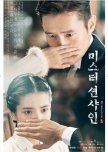
If You're Faint of Heart, Move On: A passionate and unreserved ode to a tragic masterpiece
[Italian Version Below / Versione Italiana in Basso]ENG
Written with impeccable rigor and directed with the grandeur of a cinematic blockbuster, Mr. Sunshine is a fierce, breathtaking eulogy. Its true emotional power stems from its undeniable historical roots: while the personal trajectories are dramatized, the story of the Righteous Army is devastatingly real. It is the chronicle of a forgotten people who fought to their last breath against Japanese annexation, and knowing that this resistance actually happened makes the viewing experience profoundly, painfully heavy.
~ The Premise ~
Set in Joseon at the turn of the 20th century — a fading kingdom under the predatory gaze of foreign imperial powers — the narrative weaves the fates of five individuals trapped between personal desire and historical catastrophe.
~ A Monumental, Handcrafted Production ~
In an era dominated by cheap digital effects, Mr. Sunshine stands as a masterclass in cinematic craftsmanship brought to television. The obsessive attention to period detail, the majestic cinematography, and the decision to forgo invasive CGI in favor of meticulously constructed real sets — now preserved as a visitable museum — give the series a rare tactile authenticity. Every frame, from the ambient lantern light to the dust on the road, breathes the air of grand cinema.
~ The Roof Scene: Recognition Without Words ~
While contemporary shows rely on artificial contrivances to manufacture "chemistry," Mr. Sunshine builds its emotional core through pure visual poetry. The rooftop encounter between Eugene Choi and Go Ae-sin — two masked snipers in the dark, enveloped in the smell of gunpowder — is a masterclass in subtext and tension. Without uttering a single line of dialogue, their eyes lock, recognizing each other's soul and tying their tragic fates together before ever learning each other's names. It is romance stripped of fluff, elevated to historical destiny.
~ Anatomy of an Unforgiving Era ~
Go Ae-sin (Kim Tae-ri): The absolute antithesis of the passive heroine. She rejects the gilded cage of nobility not out of self-absorption, but to wield a rifle, becoming the fierce pulse of a nation refusing to die quietly.
Eugene Choi (Lee Byung-hun): The outsider without a country, whose internal conflict between personal vengeance and tragic devotion forms the show’s emotional bedrock.
The Antagonistic Triad: Gu Dong-mae, Kudo Hina, and Kim Hui-seong drive the narrative with extraordinary psychological depth. None exist as mere structural foils; each carries the weight of an era that leaves no one unscathed.
~ The Final Verdict ~
This is not passive background noise. It is a visual and narrative powerhouse engineered to perform open-heart emotional surgery — and it demands that you respect every single second of that heartbreak.
Now go enjoy it for yourselves. And if you're faint of heart... move on.
Recommended for: Lovers of epic historical blockbusters, fans of tragic yet deeply dignified romances, viewers who appreciate exquisite cinematic craftsmanship, and anyone ready for an unforgettable emotional journey.
---
ITA
Se siete deboli di cuore, tirate dritto: Un'ode passionale e senza riserve a un capolavoro tragico
Scritto con un rigore impeccabile e diretto con la magnificenza di un kolossal cinematografico, Mr. Sunshine è un'orazione funebre feroce e mozzafiato. Il suo vero potere emotivo scaturisce dalle sue innegabili radici storiche: sebbene le traiettorie personali siano drammatizzate, la storia dell'Esercito della Giustizia (Righteous Army) è devastantemente reale. È la cronaca di un popolo dimenticato che ha combattuto fino all'ultimo respiro contro l'annessione giapponese, e sapere che questa resistenza è avvenuta davvero rende l'esperienza di visione profondamente e dolorosamente pesante.
~ La Premessa ~
Ambientata nel Joseon a cavallo tra il XIX e il XX secolo — un regno in declino sotto lo sguardo predatorio delle potenze imperiali straniere — la narrazione intreccia i destini di cinque individui intrappolati tra il desiderio personale e la catastrofe storica.
~ Una Produzione Monumentale e Artigianale ~
In un'epoca dominata da effetti digitali di poco conto, Mr. Sunshine si erge a lezione magistrale di artigianato cinematografico prestato alla televisione. L'attenzione ossessiva per i dettagli d'epoca, la maestosa fotografia e la scelta di rinunciare a una CGI invasiva a favore di set reali finemente costruiti — oggi conservati come museo visitabile — donano alla serie una rara autenticità tattile. Ogni fotogramma, dalla luce soffusa delle lanterne alla polvere sulla strada, respira l'aria del grande cinema.
~ La Scena del Tetto: Riconoscersi Senza Parole ~
Mentre le serie contemporanee si affidano ad espedienti artificiali per fabbricare la "chimica", Mr. Sunshine costruisce il suo cuore emotivo attraverso una pura poesia visiva. L'incontro sul tetto tra Eugene Choi e Go Ae-sin — due cecchini mascherati nel buio, avvolti dall'odore di polvere da sparo — è una lezione magistrale di sottotesto e tensione. Senza pronunciare una singola linea di dialogo, i loro sguardi si incrociano, riconoscendo l'uno l'anima dell'altra e legando i loro tragici destini ancora prima di scoprire i rispettivi nomi. È un romanticismo spogliato di ogni orpello, elevato a destino storico.
~ Anatomia di un'Epoca Spietata ~
Go Ae-sin (Kim Tae-ri): L'antitesi assoluta dell'eroina passiva. Rifiuta la gabbia dorata della nobiltà non per egocentrismo, ma per imbracciare un fucile, diventando il battito feroce di una nazione che si rifiuta di morire in silenzio.
Eugene Choi (Lee Byung-hun): L'emarginato senza patria, il cui conflitto interiore tra la vendetta personale e una tragica devozione costituisce la spina dorsale emotiva dello show.
La Triade Antagonista: Gu Dong-mae, Kudo Hina e Kim Hui-seong trascinano la narrazione con una profondità psicologica straordinaria. Nessuno di loro esiste come mero elemento di contrasto strutturale; ognuno porta su di sé il peso di un'epoca che non lascia nessuno indenne.
~ Il Giudizio Finale ~
Questo non è un sottofondo da guardare passivamente. È un gigante visivo e narrativo progettato per eseguire un'operazione a cuore aperto sulle vostre emozioni — e pretende che rispettiate ogni singolo secondo di quel dolore.
Ora andate a godervelo. E se siete deboli di cuore... tirate dritto.
Consigliato a: Gli amanti dei kolossal storici epici, chi cerca una storia d'amore tragica ma di immensa dignità, gli estimatori del grande artigianato cinematografico e chiunque sia pronto per un impatto emotivo indelebile.
Was this review helpful to you?


