

This review may contain spoilers
One of the best action-noir series in recent times...
It is one of the best action-noir series in recent times.
Story — 9/10
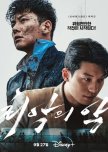
The story follows Park Jun-mo (Ji Chang-wook), a relatively low-ranking detective who goes undercover inside the Gangnam Union, a powerful criminal organization involved in the drug trade between Korea, China and Japan.
The gang is led by Jung Gi-cheul (Wi Ha-joon), a charismatic but extremely dangerous crime boss.
The interesting part is that Jun-mo doesn't simply infiltrate the gang and collect evidence. He has to become one of them—earning Gi-cheul's trust, participating in violence and gradually becoming psychologically affected by the criminal world.
The situation becomes even more complicated because Jun-mo's wife, Yoo Eui-jung (Im Se-mi), is also a police officer and has a personal history with Gi-cheul.
This creates a very effective triangle:
Jun-mo → undercover cop
Gi-cheul → gangster/crime boss
Eui-jung → Jun-mo's wife + Gi-cheul's first love
The show isn't really asking "Who is good and who is evil?" It increasingly asks how much of yourself you're willing to sacrifice to achieve your goal.
🔥 Ji Chang-wook — 9.5/10
This is one of Ji Chang-wook's strongest performances.
Jun-mo starts as a police officer with a clear purpose, but the deeper he goes into the organization, the more difficult it becomes to distinguish acting like a gangster from actually becoming one.
His physical performance is also excellent. The fights feel brutal rather than overly glamorous, and his character's psychological deterioration is one of the strongest parts of the drama.
Ji Chang-wook himself described Jun-mo as someone who becomes increasingly damaged by the choices he makes.
Verdict: One of his better mature performances.
Wi Ha-joon — 9/10
For me, Wi Ha-joon is the biggest surprise of the drama.
Jung Gi-cheul isn't simply a stereotypical gangster. He's charismatic, insecure, ambitious and emotionally vulnerable at the same time.
His relationship with Jun-mo is particularly fascinating because Gi-cheul genuinely begins to trust him.
That's what makes their relationship so uncomfortable: the audience knows Jun-mo is lying, while Gi-cheul doesn't.
The bromance/relationship between the two leads is one of the show's biggest strengths.
Romance & emotional story — 8/10
Don't expect a traditional K-drama romance.
The relationship between Jun-mo and Eui-jung is complicated by their undercover identities, while Gi-cheul's long-standing feelings for Eui-jung create another layer of tension.
The romance works best when it shows how the undercover mission damages Jun-mo's marriage rather than functioning as a conventional love triangle.
This is also where the series becomes more emotionally painful.
🔪 Action — 9.5/10
This is probably the show's biggest selling point.
The fights are:
-Brutal
-Bloody
-Physical
-Well choreographed
-Relatively grounded
The series doesn't make every fight look like a superhero battle.
Jun-mo often gets beaten badly, which makes the violence feel much more dangerous.
Several action sequences are genuinely difficult to watch—and that's exactly what makes them effective.
🎥 Cinematography — 9/10
The 1990s Seoul setting looks fantastic.
The dark clubs, warehouses, streets, neon lighting and crime-world locations create a strong noir atmosphere.
The production feels closer to a crime movie than a conventional television K-drama.
This is one reason the series feels more cinematic than many mainstream Korean dramas.
🧠 Psychological aspect — 9/10
This is where The Worst of Evil becomes more interesting than a simple gangster thriller.
The real question isn't:
"Will Jun-mo catch the criminals?"
It's:
"What will be left of Jun-mo when the investigation is over?"
Every violent act makes his cover more believable, but simultaneously pushes him further away from the person he was.
That's why the title The Worst of Evil works so well. Evil isn't presented as something belonging exclusively to the criminals.
Story — 9/10
The story follows Park Jun-mo (Ji Chang-wook), a relatively low-ranking detective who goes undercover inside the Gangnam Union, a powerful criminal organization involved in the drug trade between Korea, China and Japan.
The gang is led by Jung Gi-cheul (Wi Ha-joon), a charismatic but extremely dangerous crime boss.
The interesting part is that Jun-mo doesn't simply infiltrate the gang and collect evidence. He has to become one of them—earning Gi-cheul's trust, participating in violence and gradually becoming psychologically affected by the criminal world.
The situation becomes even more complicated because Jun-mo's wife, Yoo Eui-jung (Im Se-mi), is also a police officer and has a personal history with Gi-cheul.
This creates a very effective triangle:
Jun-mo → undercover cop
Gi-cheul → gangster/crime boss
Eui-jung → Jun-mo's wife + Gi-cheul's first love
The show isn't really asking "Who is good and who is evil?" It increasingly asks how much of yourself you're willing to sacrifice to achieve your goal.
🔥 Ji Chang-wook — 9.5/10
This is one of Ji Chang-wook's strongest performances.
Jun-mo starts as a police officer with a clear purpose, but the deeper he goes into the organization, the more difficult it becomes to distinguish acting like a gangster from actually becoming one.
His physical performance is also excellent. The fights feel brutal rather than overly glamorous, and his character's psychological deterioration is one of the strongest parts of the drama.
Ji Chang-wook himself described Jun-mo as someone who becomes increasingly damaged by the choices he makes.
Verdict: One of his better mature performances.
Wi Ha-joon — 9/10
For me, Wi Ha-joon is the biggest surprise of the drama.
Jung Gi-cheul isn't simply a stereotypical gangster. He's charismatic, insecure, ambitious and emotionally vulnerable at the same time.
His relationship with Jun-mo is particularly fascinating because Gi-cheul genuinely begins to trust him.
That's what makes their relationship so uncomfortable: the audience knows Jun-mo is lying, while Gi-cheul doesn't.
The bromance/relationship between the two leads is one of the show's biggest strengths.
Romance & emotional story — 8/10
Don't expect a traditional K-drama romance.
The relationship between Jun-mo and Eui-jung is complicated by their undercover identities, while Gi-cheul's long-standing feelings for Eui-jung create another layer of tension.
The romance works best when it shows how the undercover mission damages Jun-mo's marriage rather than functioning as a conventional love triangle.
This is also where the series becomes more emotionally painful.
🔪 Action — 9.5/10
This is probably the show's biggest selling point.
The fights are:
-Brutal
-Bloody
-Physical
-Well choreographed
-Relatively grounded
The series doesn't make every fight look like a superhero battle.
Jun-mo often gets beaten badly, which makes the violence feel much more dangerous.
Several action sequences are genuinely difficult to watch—and that's exactly what makes them effective.
🎥 Cinematography — 9/10
The 1990s Seoul setting looks fantastic.
The dark clubs, warehouses, streets, neon lighting and crime-world locations create a strong noir atmosphere.
The production feels closer to a crime movie than a conventional television K-drama.
This is one reason the series feels more cinematic than many mainstream Korean dramas.
🧠 Psychological aspect — 9/10
This is where The Worst of Evil becomes more interesting than a simple gangster thriller.
The real question isn't:
"Will Jun-mo catch the criminals?"
It's:
"What will be left of Jun-mo when the investigation is over?"
Every violent act makes his cover more believable, but simultaneously pushes him further away from the person he was.
That's why the title The Worst of Evil works so well. Evil isn't presented as something belonging exclusively to the criminals.
Was this review helpful to you?


