
 Editorials



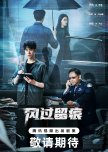
Gritty Realism vs. A Botched Finale
After finishing this drama, I’m left with very mixed feelings. On one hand, I’m absolutely thrilled with how they portrayed the forensic department's work. On the other hand, I haven’t seen a main storyline "drop the ball" this hard in a long time, and it’s incredibly disappointing.
The greatest asset of this drama is its striking realism regarding routine police work. There’s no chasing artificial intrigue here. You won’t find overly convoluted cases or "elite" crime scenes. Everything is mundane, gritty, and sad. The criminals are portrayed as real people—often from the lower strata of society—who are either lost or driven into a corner.
I loved the attention to everyday details: investigators don’t forget to turn off their computers before leaving, they work as a cohesive team instead of acting like 'lone wolves,' and they always photograph the crime scene before touching anything. A particularly funny yet relatable touch was seeing the characters eating while discussing the gruesome details of their latest murder case.
Word of advice: Don’t watch "The Truth" on an empty stomach. Not because of the 'scary' police work (there isn't much of that), but because the characters eat constantly. The food isn't fancy—it’s simple comfort food, which only adds to the realism. One of the forensic specialists' wives works at a canteen called 'Nameless,' which becomes a frequent haunt for the team. This is where the leads hash out both their personal lives and their work cases.
The visuals were also a highlight. The investigations often took the detectives to the outskirts of the city—cheap rentals, dorms, and tiny shops that were fascinating to observe. It’s a far cry from the "glossy" version of China we often see.
The writers also masterfully used parallels. One episode might show a complex family crisis and offer two different outcomes: a crime born of desperation versus the patience and forgiveness demonstrated by the leads.
The characters are another strong point. The forensic team members are shown as living, breathing people with family problems, doubts, and personal desires rather than flawless heroes. While the younger staff are busy navigating love, the older generation is learning to live with the consequences of past mistakes and tragic accidents.
Captain Leng Qi Ming, played by Jiang Wu, was memorable for his absolute equanimity in the face of serious family issues and his consumption of tea in massive quantities. To me, he gave off major Uncle Iroh vibes (Avatar: The Last Airbender). He was the character whose personal happiness I rooted for the most.
Photo and video analyst Jiao Lei (Feng Hui) and his wife Jiao Jing (Zhou Xian Xin) demonstrate another layer of resilience. Watching Mr. Jiao’s tender care for his wife and her slow recovery from a traumatic event was incredibly moving. Their relationship is a balm for the soul compared to the toxic dynamics so often seen in other dramas.
Si Yuan Long (Zhang Kai Tai), an evidence expert and the ML's friend, is young, cheerful, and impetuous. Whether he’s jokes or being persistent in his romantic pursuits, he really brightens the story.
Similarly, forensic toxicologist Zhang Zi Wu (Liu Hai Lan) is quite persistent in her feelings for her crush. However, she does it so gently and unobtrusively that I spent the whole drama sincerely hoping her feelings would be reciprocated.
Ironically, the only underdeveloped character turned out to be the ML - Detective Ye Qian (Gong Jun). He was given every trait designed to appeal to the audience—intelligence, unrequited love, melancholy, physical vulnerability (an alcohol allergy), motorcycles, and leather jackets. It’s an interesting image, but it remains superficial because the script rarely shows us anything beyond his heartbreak. It would have been great to see even a glimpse of his relationship with his parents or the reasons why he lives in a dorm under his friend’s supervision.
The romance arc was a major disappointment. It felt like the ex-girlfriend was introduced simply to "check a box" for the trope of the suffering ML. While he suffers very aesthetically, the rushed nature of this storyline makes his pain feel unjustified and occasionally hollow. The tragic backstory and present-day drama lead to an abrupt dead end. By the finale, the romance shifts into dry propaganda; the ML’s grand monologue about duty and service feels jarring and unnatural compared to the show’s otherwise grounded tone.
The drug mafia plot was the weakest link. While the petty crimes were believable, the drug lords felt "cardboard" and cartoonish. The struggle against drug trafficking was shown superficially, lacking detail or real emotion. It feels as though this part of the script was heavily edited (likely due to the rumors of the show being cut from 40 to 30 episodes), making the finale feel botched. I suspect that real narcotics department methods might have been suppressed by censorship, which is the only logical explanation for such a drastic cut to the main plot.
Ultimately, "The Truth" is worth watching for Gong Jun’s performance, the interesting supporting cast, and the rare realism of the procedural elements. If you can overlook the rushed finale of the main plot, it remains a solid representative of the police procedural genre.
P.S. I really like the original title: "The Wind Passes, Leaving a Trace". It perfectly describes forensic work: no matter how subtle or "airy" a crime might seem, it always leaves a trace for the investigators to find.
The greatest asset of this drama is its striking realism regarding routine police work. There’s no chasing artificial intrigue here. You won’t find overly convoluted cases or "elite" crime scenes. Everything is mundane, gritty, and sad. The criminals are portrayed as real people—often from the lower strata of society—who are either lost or driven into a corner.
I loved the attention to everyday details: investigators don’t forget to turn off their computers before leaving, they work as a cohesive team instead of acting like 'lone wolves,' and they always photograph the crime scene before touching anything. A particularly funny yet relatable touch was seeing the characters eating while discussing the gruesome details of their latest murder case.
Word of advice: Don’t watch "The Truth" on an empty stomach. Not because of the 'scary' police work (there isn't much of that), but because the characters eat constantly. The food isn't fancy—it’s simple comfort food, which only adds to the realism. One of the forensic specialists' wives works at a canteen called 'Nameless,' which becomes a frequent haunt for the team. This is where the leads hash out both their personal lives and their work cases.
The visuals were also a highlight. The investigations often took the detectives to the outskirts of the city—cheap rentals, dorms, and tiny shops that were fascinating to observe. It’s a far cry from the "glossy" version of China we often see.
The writers also masterfully used parallels. One episode might show a complex family crisis and offer two different outcomes: a crime born of desperation versus the patience and forgiveness demonstrated by the leads.
The characters are another strong point. The forensic team members are shown as living, breathing people with family problems, doubts, and personal desires rather than flawless heroes. While the younger staff are busy navigating love, the older generation is learning to live with the consequences of past mistakes and tragic accidents.
Captain Leng Qi Ming, played by Jiang Wu, was memorable for his absolute equanimity in the face of serious family issues and his consumption of tea in massive quantities. To me, he gave off major Uncle Iroh vibes (Avatar: The Last Airbender). He was the character whose personal happiness I rooted for the most.
Photo and video analyst Jiao Lei (Feng Hui) and his wife Jiao Jing (Zhou Xian Xin) demonstrate another layer of resilience. Watching Mr. Jiao’s tender care for his wife and her slow recovery from a traumatic event was incredibly moving. Their relationship is a balm for the soul compared to the toxic dynamics so often seen in other dramas.
Si Yuan Long (Zhang Kai Tai), an evidence expert and the ML's friend, is young, cheerful, and impetuous. Whether he’s jokes or being persistent in his romantic pursuits, he really brightens the story.
Similarly, forensic toxicologist Zhang Zi Wu (Liu Hai Lan) is quite persistent in her feelings for her crush. However, she does it so gently and unobtrusively that I spent the whole drama sincerely hoping her feelings would be reciprocated.
Ironically, the only underdeveloped character turned out to be the ML - Detective Ye Qian (Gong Jun). He was given every trait designed to appeal to the audience—intelligence, unrequited love, melancholy, physical vulnerability (an alcohol allergy), motorcycles, and leather jackets. It’s an interesting image, but it remains superficial because the script rarely shows us anything beyond his heartbreak. It would have been great to see even a glimpse of his relationship with his parents or the reasons why he lives in a dorm under his friend’s supervision.
The romance arc was a major disappointment. It felt like the ex-girlfriend was introduced simply to "check a box" for the trope of the suffering ML. While he suffers very aesthetically, the rushed nature of this storyline makes his pain feel unjustified and occasionally hollow. The tragic backstory and present-day drama lead to an abrupt dead end. By the finale, the romance shifts into dry propaganda; the ML’s grand monologue about duty and service feels jarring and unnatural compared to the show’s otherwise grounded tone.
The drug mafia plot was the weakest link. While the petty crimes were believable, the drug lords felt "cardboard" and cartoonish. The struggle against drug trafficking was shown superficially, lacking detail or real emotion. It feels as though this part of the script was heavily edited (likely due to the rumors of the show being cut from 40 to 30 episodes), making the finale feel botched. I suspect that real narcotics department methods might have been suppressed by censorship, which is the only logical explanation for such a drastic cut to the main plot.
Ultimately, "The Truth" is worth watching for Gong Jun’s performance, the interesting supporting cast, and the rare realism of the procedural elements. If you can overlook the rushed finale of the main plot, it remains a solid representative of the police procedural genre.
P.S. I really like the original title: "The Wind Passes, Leaving a Trace". It perfectly describes forensic work: no matter how subtle or "airy" a crime might seem, it always leaves a trace for the investigators to find.
Was this review helpful to you?


