

 3
3 2
2


A Mature Exploration of Love, Ambition, and Personal Growth
Many Chinese dramas feature workplace romances; many stories follow a cold executive who falls for a bright, determined young employee. On paper, The Early Spring seems to fit that mold, but in reality, it is much, much richer. What makes The Early Spring unique isn't simply the romance between Jin Bo Ran and Sun Qian, nor is it solely their remarkable chemistry. The drama succeeds because it understands that a meaningful life is built upon multiple relationships. Romance matters, but so do friendship, mentorship, loyalty, and the people who choose to stand beside us through life's challenges. By the end of the series, what stayed with me wasn't simply an intensely chemistry-filled love story. It was the entire network of relationships that shaped Shang Zhitao's journey.
The story follows Shang Zhitao (Sun Qian), a recent graduate who joins one of Beijing's most prestigious advertising agencies. Ambitious and hardworking but lacking confidence, she enters an environment where performance is everything, and mistakes are rarely tolerated. There she meets Luan Nian (Jing Bo Ran), a brilliant creative director known for his demanding standards, sharp intellect, and emotional distance. Their professional relationship begins with friction. Luan Nian sees her as inexperienced and unprepared, while Shang Zhitao refuses to be intimidated. Over time, admiration develops into respect, respect becomes affection, and affection grows into love. Yet The Early Spring cares far less about the destination than the journey itself. The drama unfolds across several years, allowing viewers to watch careers develop, friendships evolve, and individuals mature. Characters are given room to fail, learn, change, and discover who they truly are. Unlike many romances where love solves every problem, The Early Spring argues that personal growth must come first.
What I particularly appreciated was how the drama continuously evolved. It begins as a workplace drama about a young woman trying to establish herself in a demanding professional environment, gradually becomes a romance, and eventually transforms into something much deeper. As Luan Nian and Shang Zhitao's relationship develops, the story becomes less concerned with the excitement of falling in love and more with the realities of maintaining that love. It asks difficult questions about communication, timing, sacrifice, emotional maturity, and whether two people can truly build a future together while they are still learning who they are as individuals. That evolution gives the drama a depth that many workplace romances never achieve.
Shang Zhitao is one of the strongest female leads to emerge from a modern Chinese workplace drama, as far as I am concerned. She enters the story as someone seeking validation. She wants to succeed. She wants to belong. She wants to prove herself. However, as the story progresses, she learns that her value cannot be determined by her boss, her career, or even the man she loves. What makes Shang Zhitao so compelling is her independence. Even during the height of her romance with Luan Nian, the story never reduces her to somebody's girlfriend. She remains ambitious, driven, loyal, and determined to build a life on her own terms. She experiences heartbreak, disappointment, frustration, and self-doubt, yet she continually moves forward. Her growth is the emotional backbone of the entire series. By the end of the story, she has matured not only professionally but emotionally, becoming a woman who understands her worth and refuses to compromise it.
Sun Qian delivers a career-defining performance. She captures every stage of Shang Zhitao's evolution with remarkable authenticity. The Shang Zhitao we meet in the first episode feels very different from the woman we encounter at the end of the story, yet the transformation never feels forced. Sun Qian brings warmth, intelligence, vulnerability, and resilience to every scene. More importantly, she makes the audience root for Shang Zhitao not because she is perfect but because she is real.
Few recent male leads have divided audiences quite like Luan Nian. At the beginning of the story, he is difficult to like. He is blunt, emotionally unavailable, perfectionistic, and frequently incapable of expressing his feelings in healthy ways. Yet that is precisely what makes him interesting. Unlike many romantic heroes who exist merely as fantasy figures, Luan Nian feels deeply human. He is intelligent but emotionally immature. Successful but isolated. Confident professionally yet insecure personally. His greatest challenge is not learning to love Shang Zhitao. It is learning how to be vulnerable enough to let someone love him. What makes his character arc so powerful is that change does not happen overnight. He stumbles repeatedly. He makes mistakes. He hurts people he cares about. His growth is gradual, frustrating, and ultimately believable. In many ways, the latter portion of the series becomes just as much Luan Nian's journey toward emotional maturity as it does Shang Zhitao's journey toward self-discovery.
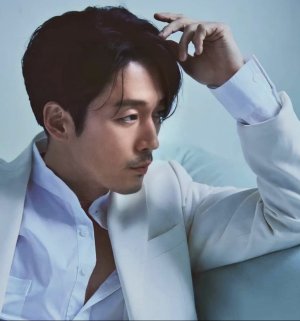
Jing Bo Ran delivers one of the drama's strongest performances. Much of Luan Nian's emotional journey happens internally, requiring the actor to communicate feelings through silence, subtle expressions, and body language. Jing Bo Ran never overplays the role. Instead, he trusts viewers to recognize the conflict beneath Luan Nian's carefully controlled exterior. By the end of the series, audiences often find themselves sympathizing deeply with a character they initially struggled to understand.
The relationship between Luan Nian and Shang Zhitao is undoubtedly one of the drama's greatest strengths. Their chemistry feels effortless. But what makes the romance memorable isn't just attraction. It's how the relationship evolves. They challenge one another. They frustrate one another. They inspire one another. Both become better people because of the relationship, but neither is "fixed" by the other. Their conflicts feel authentic because they stem from real issues: communication, vulnerability, timing, ambition, and emotional maturity. When the relationship struggles, you understand why. When they separate, it hurts because it feels inevitable and necessary, and it becomes one of the drama's strongest and most emotionally impactful moments. And when they find their way back to each other, it feels earned rather than manufactured.
If I had to identify the single factor that elevates The Early Spring above other workplace romances, it would be the friendships. The series understands something many romance dramas overlook: love matters, but friendship often helps us survive. Shang Zhitao's world feels rich because it is filled with meaningful relationships outside her romance with Luan Nian. Her friends, Sun Yuan Zhu, Lu Mi, and even Tracy celebrate her victories, comfort her failures, challenge her assumptions, and help her heal as she does them. These relationships create a sense of community that makes the drama feel authentic. The apartment these friends share becomes more than a living space. It becomes a home. Some of the drama's most emotionally powerful moments have nothing to do with romance. They are moments of friendship, loyalty, support, heartbreak, resilience, and the comfort of knowing people will always show up when life gets difficult. That sense of chosen family is one of the drama's greatest achievements.
A deep dive into the friends: if Shang Zhitao is the heart of the drama and Luan Nian is its emotional challenge, then Sun Yuan Zhu (Liu Xiao Bei), Lu Mi (Zhang Ye Zi), and Liang Xin "Tracy" (Peng Yang) are its soul.
For me, these three are the most important supporting characters in the entire series. They are not simply roommates, friends, or mentors. They become the family Shang Zhitao creates for herself in Beijing. Throughout the drama, they provide support, loyalty, honesty, friendship, and emotional stability. When life becomes overwhelming, Sun Yuan Zhu and Lu Mi are often the first people Shang Zhitao can rely upon. To start with Sun Yuan Zhu, I think what makes him so effective is that he never feels like a plot device. He has his own journey, struggles, and growth. The audience becomes invested in his life because the drama takes the time to make him feel like a complete human being, not simply the male friend supporting the female lead. As the story progresses, his role grows more significant, and developments involving his character carry genuine emotional weight. Some of the most emotional moments in the latter part of the series involve his storyline, and his journey serves as one of the strongest examples of why The Early Spring is about far more than romance. Liu Xiao Bei delivers such an understated but deeply effective performance. Rather than demanding attention, he earns it naturally. His portrayal feels authentic, warm, and emotionally honest. The performance's strength lies in its sincerity. By the end of the series, Sun Yuan Zhu feels less like a fictional character and more like someone I genuinely know.
Lu Mi, on the other hand, is one of Shang Zhitao's closest friends and one of the series' most lovable characters. What makes her so memorable is that she never exists solely to support the protagonist. She has her own ambitions, frustrations, opinions, and emotional experiences. Her friendship with Shang Zhitao feels authentic because it is reciprocal. They support, challenge, and celebrate each other. Their bond never feels performative or idealized. Instead, it feels like a genuine long-term friendship between two women navigating adulthood together. Zhang Ye Zi brings tremendous warmth and charm to the role. She balances humor and emotional depth effortlessly, making Lu Mi one of the drama's most relatable characters. Many of the series' most comforting moments come from her scenes.
If Sun Yuan Zhu and Lu Mi represent friendship, then Tracy represents mentorship. She is arguably the most important workplace relationship in Shang Zhitao's life. I loved how Tracy evolves into far more than a manager or senior colleague. Over time, she becomes a mentor, advisor, advocate, and trusted confidante. One of the most rewarding aspects of the drama is watching this relationship develop. Tracy never simply solves Shang Zhitao's problems. Instead, she teaches her how to solve them herself. She guides without controlling. She supports without creating dependence. She offers wisdom without judgment. The relationship reminds us that success often depends on people who take the time to invest in others. Peng Yang is excellent in the role. She brings intelligence, confidence, warmth, loyalty, and credibility to every scene. Tracy feels like the kind of mentor many people wish they had at some point in their careers. I know I do.
So much worked so well for this drama. It had outstanding character development, with each major character growing in meaningful ways. It had exceptional chemistry. Jing Bo Ran and Sun Qian create one of the strongest romantic pairings in recent Chinese dramas. It had some of the most realistic friendships I have seen in the genre. The relationships felt genuine, lived-in, and emotionally significant. Tracy and Shang Zhitao's relationship added tremendous depth to the workplace narrative. Most importantly, the drama never relied solely on its leads. The supporting characters enriched the world and contributed meaningfully to the story.
What didn't work, particularly in the latter half of the drama, was the uneven pacing. Certain sections moved slower than necessary, and at times secondary storylines felt underdeveloped despite the time invested in them. At times, I wanted the drama to spend more time exploring certain characters and relationships rather than lingering on others. Even with those issues, however, the emotional investment never disappeared because the characters remained so compelling.
The Early Spring is marketed as a workplace romance, but that description barely scratches the surface. At its heart, it is a story about growth, friendship, mentorship, family, and the difficult process of becoming the person you want to be. The romance between Luan Nian and Shang Zhitao is exceptional. But the friendships between Shang Zhitao, Sun Yuan Zhu, Lu Mi, Tracy, and the people who support her throughout her journey are what make the drama unforgettable. Its greatest achievement is that long after the romance ends, you still remember the people who stood beside each other through it all.
The story follows Shang Zhitao (Sun Qian), a recent graduate who joins one of Beijing's most prestigious advertising agencies. Ambitious and hardworking but lacking confidence, she enters an environment where performance is everything, and mistakes are rarely tolerated. There she meets Luan Nian (Jing Bo Ran), a brilliant creative director known for his demanding standards, sharp intellect, and emotional distance. Their professional relationship begins with friction. Luan Nian sees her as inexperienced and unprepared, while Shang Zhitao refuses to be intimidated. Over time, admiration develops into respect, respect becomes affection, and affection grows into love. Yet The Early Spring cares far less about the destination than the journey itself. The drama unfolds across several years, allowing viewers to watch careers develop, friendships evolve, and individuals mature. Characters are given room to fail, learn, change, and discover who they truly are. Unlike many romances where love solves every problem, The Early Spring argues that personal growth must come first.
What I particularly appreciated was how the drama continuously evolved. It begins as a workplace drama about a young woman trying to establish herself in a demanding professional environment, gradually becomes a romance, and eventually transforms into something much deeper. As Luan Nian and Shang Zhitao's relationship develops, the story becomes less concerned with the excitement of falling in love and more with the realities of maintaining that love. It asks difficult questions about communication, timing, sacrifice, emotional maturity, and whether two people can truly build a future together while they are still learning who they are as individuals. That evolution gives the drama a depth that many workplace romances never achieve.
Shang Zhitao is one of the strongest female leads to emerge from a modern Chinese workplace drama, as far as I am concerned. She enters the story as someone seeking validation. She wants to succeed. She wants to belong. She wants to prove herself. However, as the story progresses, she learns that her value cannot be determined by her boss, her career, or even the man she loves. What makes Shang Zhitao so compelling is her independence. Even during the height of her romance with Luan Nian, the story never reduces her to somebody's girlfriend. She remains ambitious, driven, loyal, and determined to build a life on her own terms. She experiences heartbreak, disappointment, frustration, and self-doubt, yet she continually moves forward. Her growth is the emotional backbone of the entire series. By the end of the story, she has matured not only professionally but emotionally, becoming a woman who understands her worth and refuses to compromise it.
Sun Qian delivers a career-defining performance. She captures every stage of Shang Zhitao's evolution with remarkable authenticity. The Shang Zhitao we meet in the first episode feels very different from the woman we encounter at the end of the story, yet the transformation never feels forced. Sun Qian brings warmth, intelligence, vulnerability, and resilience to every scene. More importantly, she makes the audience root for Shang Zhitao not because she is perfect but because she is real.
Few recent male leads have divided audiences quite like Luan Nian. At the beginning of the story, he is difficult to like. He is blunt, emotionally unavailable, perfectionistic, and frequently incapable of expressing his feelings in healthy ways. Yet that is precisely what makes him interesting. Unlike many romantic heroes who exist merely as fantasy figures, Luan Nian feels deeply human. He is intelligent but emotionally immature. Successful but isolated. Confident professionally yet insecure personally. His greatest challenge is not learning to love Shang Zhitao. It is learning how to be vulnerable enough to let someone love him. What makes his character arc so powerful is that change does not happen overnight. He stumbles repeatedly. He makes mistakes. He hurts people he cares about. His growth is gradual, frustrating, and ultimately believable. In many ways, the latter portion of the series becomes just as much Luan Nian's journey toward emotional maturity as it does Shang Zhitao's journey toward self-discovery.
Jing Bo Ran delivers one of the drama's strongest performances. Much of Luan Nian's emotional journey happens internally, requiring the actor to communicate feelings through silence, subtle expressions, and body language. Jing Bo Ran never overplays the role. Instead, he trusts viewers to recognize the conflict beneath Luan Nian's carefully controlled exterior. By the end of the series, audiences often find themselves sympathizing deeply with a character they initially struggled to understand.
The relationship between Luan Nian and Shang Zhitao is undoubtedly one of the drama's greatest strengths. Their chemistry feels effortless. But what makes the romance memorable isn't just attraction. It's how the relationship evolves. They challenge one another. They frustrate one another. They inspire one another. Both become better people because of the relationship, but neither is "fixed" by the other. Their conflicts feel authentic because they stem from real issues: communication, vulnerability, timing, ambition, and emotional maturity. When the relationship struggles, you understand why. When they separate, it hurts because it feels inevitable and necessary, and it becomes one of the drama's strongest and most emotionally impactful moments. And when they find their way back to each other, it feels earned rather than manufactured.
If I had to identify the single factor that elevates The Early Spring above other workplace romances, it would be the friendships. The series understands something many romance dramas overlook: love matters, but friendship often helps us survive. Shang Zhitao's world feels rich because it is filled with meaningful relationships outside her romance with Luan Nian. Her friends, Sun Yuan Zhu, Lu Mi, and even Tracy celebrate her victories, comfort her failures, challenge her assumptions, and help her heal as she does them. These relationships create a sense of community that makes the drama feel authentic. The apartment these friends share becomes more than a living space. It becomes a home. Some of the drama's most emotionally powerful moments have nothing to do with romance. They are moments of friendship, loyalty, support, heartbreak, resilience, and the comfort of knowing people will always show up when life gets difficult. That sense of chosen family is one of the drama's greatest achievements.
A deep dive into the friends: if Shang Zhitao is the heart of the drama and Luan Nian is its emotional challenge, then Sun Yuan Zhu (Liu Xiao Bei), Lu Mi (Zhang Ye Zi), and Liang Xin "Tracy" (Peng Yang) are its soul.
For me, these three are the most important supporting characters in the entire series. They are not simply roommates, friends, or mentors. They become the family Shang Zhitao creates for herself in Beijing. Throughout the drama, they provide support, loyalty, honesty, friendship, and emotional stability. When life becomes overwhelming, Sun Yuan Zhu and Lu Mi are often the first people Shang Zhitao can rely upon. To start with Sun Yuan Zhu, I think what makes him so effective is that he never feels like a plot device. He has his own journey, struggles, and growth. The audience becomes invested in his life because the drama takes the time to make him feel like a complete human being, not simply the male friend supporting the female lead. As the story progresses, his role grows more significant, and developments involving his character carry genuine emotional weight. Some of the most emotional moments in the latter part of the series involve his storyline, and his journey serves as one of the strongest examples of why The Early Spring is about far more than romance. Liu Xiao Bei delivers such an understated but deeply effective performance. Rather than demanding attention, he earns it naturally. His portrayal feels authentic, warm, and emotionally honest. The performance's strength lies in its sincerity. By the end of the series, Sun Yuan Zhu feels less like a fictional character and more like someone I genuinely know.
Lu Mi, on the other hand, is one of Shang Zhitao's closest friends and one of the series' most lovable characters. What makes her so memorable is that she never exists solely to support the protagonist. She has her own ambitions, frustrations, opinions, and emotional experiences. Her friendship with Shang Zhitao feels authentic because it is reciprocal. They support, challenge, and celebrate each other. Their bond never feels performative or idealized. Instead, it feels like a genuine long-term friendship between two women navigating adulthood together. Zhang Ye Zi brings tremendous warmth and charm to the role. She balances humor and emotional depth effortlessly, making Lu Mi one of the drama's most relatable characters. Many of the series' most comforting moments come from her scenes.
If Sun Yuan Zhu and Lu Mi represent friendship, then Tracy represents mentorship. She is arguably the most important workplace relationship in Shang Zhitao's life. I loved how Tracy evolves into far more than a manager or senior colleague. Over time, she becomes a mentor, advisor, advocate, and trusted confidante. One of the most rewarding aspects of the drama is watching this relationship develop. Tracy never simply solves Shang Zhitao's problems. Instead, she teaches her how to solve them herself. She guides without controlling. She supports without creating dependence. She offers wisdom without judgment. The relationship reminds us that success often depends on people who take the time to invest in others. Peng Yang is excellent in the role. She brings intelligence, confidence, warmth, loyalty, and credibility to every scene. Tracy feels like the kind of mentor many people wish they had at some point in their careers. I know I do.
So much worked so well for this drama. It had outstanding character development, with each major character growing in meaningful ways. It had exceptional chemistry. Jing Bo Ran and Sun Qian create one of the strongest romantic pairings in recent Chinese dramas. It had some of the most realistic friendships I have seen in the genre. The relationships felt genuine, lived-in, and emotionally significant. Tracy and Shang Zhitao's relationship added tremendous depth to the workplace narrative. Most importantly, the drama never relied solely on its leads. The supporting characters enriched the world and contributed meaningfully to the story.
What didn't work, particularly in the latter half of the drama, was the uneven pacing. Certain sections moved slower than necessary, and at times secondary storylines felt underdeveloped despite the time invested in them. At times, I wanted the drama to spend more time exploring certain characters and relationships rather than lingering on others. Even with those issues, however, the emotional investment never disappeared because the characters remained so compelling.
The Early Spring is marketed as a workplace romance, but that description barely scratches the surface. At its heart, it is a story about growth, friendship, mentorship, family, and the difficult process of becoming the person you want to be. The romance between Luan Nian and Shang Zhitao is exceptional. But the friendships between Shang Zhitao, Sun Yuan Zhu, Lu Mi, Tracy, and the people who support her throughout her journey are what make the drama unforgettable. Its greatest achievement is that long after the romance ends, you still remember the people who stood beside each other through it all.
Was this review helpful to you?


