
 K-Drama




This review may contain spoilers
My heart is somehow fleeting, and even sorrow is dyed in blue.
Stepping back into the dusty, atmospheric world of early 1990s Japanese television once again because apparently I enjoy digging through old dramas nobody talks about anymore. This time it's Tenjo no Ao (天上の青 / Heavenly Blue), a 1992 Fuji TV psychological suspense drama based on Ayako Sono's novel.
The premise alone is already unsettling. Fujio Uno is introduced as this perfectly polite, seemingly harmless man who wanders around the Shonan coast and eventually strikes up a conversation with Yukiko, a quiet Christian dressmaker who spends her days tending to her morning glories. It's such a peaceful, almost mundane encounter that you wouldn't immediately expect anything sinister from it.
Except Fujio is a serial killer.
And as his crimes become increasingly violent, he keeps returning to Yukiko's little world. There's something about her calmness and the fact that she doesn't immediately judge or fear him that makes her become his only real psychological refuge. She doesn't even fully understand what he's looking for from her, yet he keeps coming back anyway. The whole relationship becomes this incredibly uncomfortable contrast between compassion and violence, innocence and guilt, and whether someone's kindness can actually reach a person who has done terrible things.
Karin Yamaguchi is wonderful as Yukiko. Her performance is very restrained, which works perfectly for the character. She's gentle without feeling completely passive, and there's this quiet loneliness to her that makes it believable why she would become attached to someone society has already completely rejected.
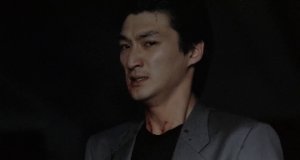
But honestly, Hakuryu absolutely steals this drama. 🫠
His performance as Fujio is probably my favourite thing about the entire series. He could've easily played the character as a stereotypical “crazy serial killer” and called it a day, but instead there's this strange vulnerability underneath everything. He's obviously capable of horrifying violence, but when he's around Yukiko, you get to see this completely different side of him—the awkward, lonely and almost childlike part of Fujio that desperately wants to be accepted somewhere.
And that's what makes him so unsettling. The drama doesn't ask you to excuse what he does, but it does make you understand why Yukiko becomes so important to him. He's not suddenly a good person because someone shows him kindness. He's still responsible for what he's done. There's just this uncomfortable realization that even someone capable of terrible things can still crave affection, companionship and somewhere they feel safe.
The final stretch gets even darker once the law finally catches up with him. Fujio ends up on death row, writing desperate letters to Yukiko while she herself becomes increasingly isolated because of her attempts to help him. And I really appreciate that the drama doesn't try to turn everything into some neat redemption story. There isn't a convenient “love saved him” ending. Fujio still faces the consequences of his crimes, while Yukiko has to live with the complicated reality of having cared about someone everyone else sees as a monster.
The ending is bleak as hell, but in a strangely quiet way. There's no huge Hollywood-style emotional payoff. Instead, it leaves you sitting with all these uncomfortable questions about empathy, morality, loneliness, punishment and whether understanding someone necessarily means forgiving them.
Tenjo no Ao is definitely not the kind of drama I'd recommend if you're looking for something lighthearted, but if you like old Japanese psychological dramas with slow pacing, uncomfortable character studies and that very specific early-90s atmosphere, this is absolutely worth digging up.
And of course, Hakuryu's performance alone makes it worth watching for me.
I genuinely couldn't find much discussion about this drama while watching it, which is kind of a shame because there's so much to unpack here. It's one of those obscure pieces of 90s television that feels like it deserves to be remembered instead of disappearing into the archives.
Definitely something I'd rewatch someday.
The premise alone is already unsettling. Fujio Uno is introduced as this perfectly polite, seemingly harmless man who wanders around the Shonan coast and eventually strikes up a conversation with Yukiko, a quiet Christian dressmaker who spends her days tending to her morning glories. It's such a peaceful, almost mundane encounter that you wouldn't immediately expect anything sinister from it.
Except Fujio is a serial killer.
And as his crimes become increasingly violent, he keeps returning to Yukiko's little world. There's something about her calmness and the fact that she doesn't immediately judge or fear him that makes her become his only real psychological refuge. She doesn't even fully understand what he's looking for from her, yet he keeps coming back anyway. The whole relationship becomes this incredibly uncomfortable contrast between compassion and violence, innocence and guilt, and whether someone's kindness can actually reach a person who has done terrible things.
Karin Yamaguchi is wonderful as Yukiko. Her performance is very restrained, which works perfectly for the character. She's gentle without feeling completely passive, and there's this quiet loneliness to her that makes it believable why she would become attached to someone society has already completely rejected.
But honestly, Hakuryu absolutely steals this drama. 🫠
His performance as Fujio is probably my favourite thing about the entire series. He could've easily played the character as a stereotypical “crazy serial killer” and called it a day, but instead there's this strange vulnerability underneath everything. He's obviously capable of horrifying violence, but when he's around Yukiko, you get to see this completely different side of him—the awkward, lonely and almost childlike part of Fujio that desperately wants to be accepted somewhere.
And that's what makes him so unsettling. The drama doesn't ask you to excuse what he does, but it does make you understand why Yukiko becomes so important to him. He's not suddenly a good person because someone shows him kindness. He's still responsible for what he's done. There's just this uncomfortable realization that even someone capable of terrible things can still crave affection, companionship and somewhere they feel safe.
The final stretch gets even darker once the law finally catches up with him. Fujio ends up on death row, writing desperate letters to Yukiko while she herself becomes increasingly isolated because of her attempts to help him. And I really appreciate that the drama doesn't try to turn everything into some neat redemption story. There isn't a convenient “love saved him” ending. Fujio still faces the consequences of his crimes, while Yukiko has to live with the complicated reality of having cared about someone everyone else sees as a monster.
The ending is bleak as hell, but in a strangely quiet way. There's no huge Hollywood-style emotional payoff. Instead, it leaves you sitting with all these uncomfortable questions about empathy, morality, loneliness, punishment and whether understanding someone necessarily means forgiving them.
Tenjo no Ao is definitely not the kind of drama I'd recommend if you're looking for something lighthearted, but if you like old Japanese psychological dramas with slow pacing, uncomfortable character studies and that very specific early-90s atmosphere, this is absolutely worth digging up.
And of course, Hakuryu's performance alone makes it worth watching for me.
I genuinely couldn't find much discussion about this drama while watching it, which is kind of a shame because there's so much to unpack here. It's one of those obscure pieces of 90s television that feels like it deserves to be remembered instead of disappearing into the archives.
Definitely something I'd rewatch someday.
Was this review helpful to you?


