
 K-Drama

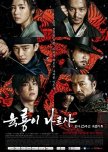
Comment for Six Flying Dragons
Six Flying Dragons could have become one of the most profound artistic works in Korean television — if only the writers had the courage to follow the path they themselves had opened.
At its core, this drama is not just about the founding of a nation, but about the loss of one’s soul in the process of believing in that nation’s creation. The best example of this is found in Lee Bang-ji and Mu-hyul — two men who once shared the same ideal, yet came to embody its opposite meanings.
In their sword-fighting scene, the drama falters: Lee Bang-ji, filled with sorrow, refuses to harm Mu-hyul because he understands that doing so would wound the innocence and purity they once shared. Mu-hyul, blinded by loyalty to his king, fights to win — unknowingly wounding himself instead.
The outstanding performances by Byun Yo-han, Yoo Ah-in, Yoon Kyun-sang, and others elevate the entire work beyond its commercial frame — their silences, grief, and dignity give the story its moral weight.
Had the writers allowed Mu-hyul to leave in silence after the fratricide, instead of remaining loyal to Yi Bang-won, the series could have reached the depth of true tragedy. For real tragedy is not in blood, but in the moment when a man recognizes evil yet stays — because he no longer knows who he is if he walks away.
Six Flying Dragons is therefore powerful, yet painfully incomplete. It shows how close Korea came to creating a work of world-class moral art — and how little it takes for greatness to be lost when courage is replaced by compromise.
Was this review helpful to you?
This review may contain spoilers
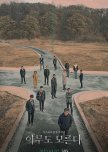
Tense, Heartbreaking, Park Hoon Steals the Show
Nobody Knows is a gripping, emotionally charged drama that explores hidden secrets, moral ambiguity, and the fragility of trust. Park Hoon delivers a career-defining performance, imbuing his character with quiet intensity and subtle emotional depth. Every glance and gesture carries weight, making his portrayal both compelling and deeply human. His presence elevates the entire series, turning complex, often dark situations into moments of poignant realism. A must-watch for fans of nuanced acting and psychologically rich storytelling.
Was this review helpful to you?
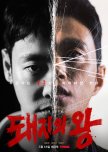
A Dark, Relentless Portrait of Trauma – Kim Sung Kyu Shines
The King of Pigs is an unflinching exploration of social hierarchies, childhood trauma, and the enduring scars of violence. Unlike conventional dramas, it refuses to simplify its characters or offer easy resolutions. Every scene drips with tension and moral ambiguity, creating a world that is raw, uncomfortable, and hauntingly real.
Kim Sung Kyu delivers a performance of extraordinary depth. His portrayal captures the subtle shifts between vulnerability and suppressed anger, making his character both sympathetic and terrifyingly complex. He carries the emotional weight of the narrative, bringing an intensity that is both gripping and devastating. Watching him navigate the psychological intricacies of the story is a masterclass in understated, yet powerful acting.
This is not a drama for casual viewing, but for those who appreciate profound storytelling and performances that linger long after the screen goes dark, The King of Pigs is unforgettable. Kim Sung Kyu, in particular, elevates the film to an artful meditation on human cruelty, survival, and the indelible marks of the past.
Was this review helpful to you?


