




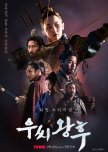
"Power, Passion, and Politics: A Masterful Journey Through Queen Woo"
Queen Woo is a masterfully crafted historical drama that takes viewers on a thrilling journey of power, loyalty, and betrayal within the intricate world of a royal court. From its stunning production design to its exceptional cast performances, the drama stands out as a benchmark in Korean period storytelling.
The Strengths
One of the most striking aspects of Queen Woo is its intricate narrative. The story of Queen Woo’s rise to power is layered with political intrigue and emotional depth, making it impossible to look away. The writing seamlessly blends the personal and political, showing how private desires can shape public decisions. The pacing is taut, with every episode leaving viewers on the edge of their seats.
The performances are another undeniable highlight. Ji Chang-wook, as the King, delivers an exceptional portrayal, perfectly balancing the vulnerability of a man caught in a web of deceit and the authority of a ruler burdened by the weight of his crown. His acting is truly 10/10—he brings gravitas to moments of royal command and raw emotion to his private struggles.
Queen Woo herself is a powerhouse of a character, depicted with nuance and strength. Her journey is one of resilience and intelligence, as she navigates the treacherous waters of court politics. The chemistry between the leads adds another layer of complexity, as their relationship oscillates between trust, ambition, and desire.
The production quality deserves praise as well. The set design and costumes are both stunning and historically evocative, immersing the audience in the era without feeling overly stylized. The cinematography captures the grandeur and intimacy of court life, while the music heightens the drama without overpowering the story.
The Flaws
However, even a masterpiece like Queen Woo is not without its flaws. One of the most puzzling aspects of the story is the King’s blind trust in Prime Minister Eul Pa-so. While it’s understandable that the King would rely on a close advisor, his unquestioning faith borders on naivety, particularly given the political machinations happening around him. It sometimes makes the King appear overly gullible, which can be frustrating for viewers who expect a more discerning ruler.
Similarly, Queen Woo’s trust in Eul Pa-so feels problematic at times. Her reliance on him, seemingly influenced by personal feelings or even latent desire, occasionally undermines her portrayal as a sharp and calculated figure. While this humanizes her character, showing that even the most powerful individuals can be swayed by emotion, it also leaves the audience questioning her judgment in crucial moments.
Final Thoughts
Despite these minor criticisms, Queen Woo is a triumph in historical storytelling. It captivates with its rich characters, high-stakes drama, and outstanding performances. Ji Chang-wook’s portrayal of the King is a career highlight, while the Queen herself stands as one of the most compelling female leads in recent memory.
If there’s one takeaway from Queen Woo, it’s that power is never simple, and those who seek it must navigate a labyrinth of desire, betrayal, and ambition. For anyone looking for a drama that combines breathtaking visuals with a deeply engaging story, Queen Woo is not to be missed. It’s a testament to the heights that Korean historical dramas can reach when all the elements align
The Strengths
One of the most striking aspects of Queen Woo is its intricate narrative. The story of Queen Woo’s rise to power is layered with political intrigue and emotional depth, making it impossible to look away. The writing seamlessly blends the personal and political, showing how private desires can shape public decisions. The pacing is taut, with every episode leaving viewers on the edge of their seats.
The performances are another undeniable highlight. Ji Chang-wook, as the King, delivers an exceptional portrayal, perfectly balancing the vulnerability of a man caught in a web of deceit and the authority of a ruler burdened by the weight of his crown. His acting is truly 10/10—he brings gravitas to moments of royal command and raw emotion to his private struggles.
Queen Woo herself is a powerhouse of a character, depicted with nuance and strength. Her journey is one of resilience and intelligence, as she navigates the treacherous waters of court politics. The chemistry between the leads adds another layer of complexity, as their relationship oscillates between trust, ambition, and desire.
The production quality deserves praise as well. The set design and costumes are both stunning and historically evocative, immersing the audience in the era without feeling overly stylized. The cinematography captures the grandeur and intimacy of court life, while the music heightens the drama without overpowering the story.
The Flaws
However, even a masterpiece like Queen Woo is not without its flaws. One of the most puzzling aspects of the story is the King’s blind trust in Prime Minister Eul Pa-so. While it’s understandable that the King would rely on a close advisor, his unquestioning faith borders on naivety, particularly given the political machinations happening around him. It sometimes makes the King appear overly gullible, which can be frustrating for viewers who expect a more discerning ruler.
Similarly, Queen Woo’s trust in Eul Pa-so feels problematic at times. Her reliance on him, seemingly influenced by personal feelings or even latent desire, occasionally undermines her portrayal as a sharp and calculated figure. While this humanizes her character, showing that even the most powerful individuals can be swayed by emotion, it also leaves the audience questioning her judgment in crucial moments.
Final Thoughts
Despite these minor criticisms, Queen Woo is a triumph in historical storytelling. It captivates with its rich characters, high-stakes drama, and outstanding performances. Ji Chang-wook’s portrayal of the King is a career highlight, while the Queen herself stands as one of the most compelling female leads in recent memory.
If there’s one takeaway from Queen Woo, it’s that power is never simple, and those who seek it must navigate a labyrinth of desire, betrayal, and ambition. For anyone looking for a drama that combines breathtaking visuals with a deeply engaging story, Queen Woo is not to be missed. It’s a testament to the heights that Korean historical dramas can reach when all the elements align
Was this review helpful to you?


