
 News
News 




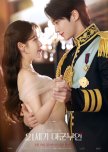
CRINGE
This drama isn’t just misguided—it’s intellectually dishonest in the way it frames power, hierarchy, and identity. It borrows the aesthetic of a modern democracy while quietly reintroducing a system built on birth-based privilege, and then expects the audience to find that romantic.
Let’s be clear about the setup: modern-day South Korea is one of the most advanced democracies in Asia, built after decades of struggle against authoritarian rule—especially after events like the June Democratic Struggle, which pushed the country toward free elections and civil liberties. Against that backdrop, creating a fantasy where royal blood still defines status isn’t just creative liberty—it’s a reversal of hard-fought political progress.
And the comparison the show unintentionally invites is uncomfortable. When you build a system where identity, privilege, and even personal worth are dictated by birth, you’re not far removed from rigid authoritarian structures. The difference between calling someone “royal” versus “supreme leader” becomes largely cosmetic when both rely on inherited or unquestioned authority. Figures like Kim Jong Un don’t wear crowns, but the system around them functions on a similarly unchallengeable hierarchy—one where status is absolute and socially enforced.
Of course, the show will argue it’s a “constitutional monarchy,” like United Kingdom or Japan. But even in those real-world examples, royal families are largely symbolic, stripped of actual governing power. Here, however, the narrative treats royal status as socially superior, emotionally desirable, and personally transformative—which completely undermines the idea of equality in a democratic society.
Seong Hui Ju’s obsession with becoming “more than a commoner” is where the writing collapses entirely. She is already part of a chaebol family—a structure often criticized in South Korea for concentrating wealth and influence in the hands of a few conglomerates. Yet even that isn’t enough for the story. It insists that true fulfillment lies in bloodline, not achievement. That’s not social commentary—it’s glorified elitism.
And then there’s Yi An, portrayed as a tragic royal who “has nothing.” But what does he actually lack? Not status. Not public adoration. Not systemic protection. The drama wants sympathy for someone insulated by the very hierarchy it refuses to critique, while simultaneously elevating that hierarchy as something worth aspiring to.
What makes this especially problematic is how it mirrors real-world systems of discrimination. Whether it’s class stratification or caste-like thinking, the core idea is the same: people are ranked at birth, and no amount of merit can truly change that. Instead of challenging this mindset, the show indulges in it—wrapping it in romance, wealth, and visual appeal so it feels less like oppression and more like fantasy.
What makes this drama particularly disturbing isn’t just its premise—it’s the values it quietly promotes.
In the real world, elitism and discrimination still exist, but they are widely recognized as flaws in society—problems to be challenged, reduced, and ultimately eliminated. Entire democratic movements, like South Korea’s push toward equality after the June Democratic Struggle, were built on rejecting rigid hierarchies and inherited privilege. That’s the direction modern societies strive toward.
This drama does the exact opposite.
Instead of questioning elitism, it normalizes it. Worse—it romanticizes it. The idea that people would *aspire* to become part of a hereditary elite, not through achievement but by birth or marriage, is presented as understandable, even desirable. That’s where it stops being harmless fiction and starts feeling ideologically regressive.
The central relationship makes this even more uncomfortable. A contract marriage—something that should carry emotional, social, and ethical weight—is reduced to a transactional tool for status climbing. And what is the “necessity” driving it? Not survival. Not safety. Not even power in any meaningful democratic sense. It’s simply the desire to become “royal.”
That raises a fundamental question the show never answers: what is the actual value of this title?
In a true constitutional monarchy—like United Kingdom or Japan—royalty is largely symbolic. They do not govern. They do not hold real democratic power. Their status is ceremonial, not functional. So why is this drama treating royal identity as the ultimate prize, something worth sacrificing autonomy, love, and dignity for?
Seong Hui Ju’s decision is especially troubling in this context. She is already wealthy, influential, and independent—yet the story suggests that none of it matters unless she acquires a title tied to bloodline. It reduces her agency to a bargain: trade your personal life, your emotional freedom, even your sense of self, in exchange for a socially constructed label that holds little real-world value.
That’s not ambition—it’s submission to a broken value system.
And the show never seriously challenges that system. It doesn’t ask whether this hierarchy is valid. It doesn’t show meaningful resistance from society. Instead, it presents a world where people accept these divisions and even strive for them. That’s what makes it feel so disconnected from reality—because in reality, such systems are increasingly criticized, not admired.
At its core, the drama sends a troubling message: that identity by birth is more important than identity by choice, and that social elevation—even if meaningless in practical terms—is worth personal sacrifice.
In a modern democratic context, that isn’t just outdated—it’s deeply unsettling.
In the end, this isn’t clever world-building—it’s regression with better lighting. It takes a society that fought to escape rigid, top-down control and imagines a version where people willingly chase it again. That’s not just unrealistic—it’s deeply uncomfortable.
Let’s be clear about the setup: modern-day South Korea is one of the most advanced democracies in Asia, built after decades of struggle against authoritarian rule—especially after events like the June Democratic Struggle, which pushed the country toward free elections and civil liberties. Against that backdrop, creating a fantasy where royal blood still defines status isn’t just creative liberty—it’s a reversal of hard-fought political progress.
And the comparison the show unintentionally invites is uncomfortable. When you build a system where identity, privilege, and even personal worth are dictated by birth, you’re not far removed from rigid authoritarian structures. The difference between calling someone “royal” versus “supreme leader” becomes largely cosmetic when both rely on inherited or unquestioned authority. Figures like Kim Jong Un don’t wear crowns, but the system around them functions on a similarly unchallengeable hierarchy—one where status is absolute and socially enforced.
Of course, the show will argue it’s a “constitutional monarchy,” like United Kingdom or Japan. But even in those real-world examples, royal families are largely symbolic, stripped of actual governing power. Here, however, the narrative treats royal status as socially superior, emotionally desirable, and personally transformative—which completely undermines the idea of equality in a democratic society.
Seong Hui Ju’s obsession with becoming “more than a commoner” is where the writing collapses entirely. She is already part of a chaebol family—a structure often criticized in South Korea for concentrating wealth and influence in the hands of a few conglomerates. Yet even that isn’t enough for the story. It insists that true fulfillment lies in bloodline, not achievement. That’s not social commentary—it’s glorified elitism.
And then there’s Yi An, portrayed as a tragic royal who “has nothing.” But what does he actually lack? Not status. Not public adoration. Not systemic protection. The drama wants sympathy for someone insulated by the very hierarchy it refuses to critique, while simultaneously elevating that hierarchy as something worth aspiring to.
What makes this especially problematic is how it mirrors real-world systems of discrimination. Whether it’s class stratification or caste-like thinking, the core idea is the same: people are ranked at birth, and no amount of merit can truly change that. Instead of challenging this mindset, the show indulges in it—wrapping it in romance, wealth, and visual appeal so it feels less like oppression and more like fantasy.
What makes this drama particularly disturbing isn’t just its premise—it’s the values it quietly promotes.
In the real world, elitism and discrimination still exist, but they are widely recognized as flaws in society—problems to be challenged, reduced, and ultimately eliminated. Entire democratic movements, like South Korea’s push toward equality after the June Democratic Struggle, were built on rejecting rigid hierarchies and inherited privilege. That’s the direction modern societies strive toward.
This drama does the exact opposite.
Instead of questioning elitism, it normalizes it. Worse—it romanticizes it. The idea that people would *aspire* to become part of a hereditary elite, not through achievement but by birth or marriage, is presented as understandable, even desirable. That’s where it stops being harmless fiction and starts feeling ideologically regressive.
The central relationship makes this even more uncomfortable. A contract marriage—something that should carry emotional, social, and ethical weight—is reduced to a transactional tool for status climbing. And what is the “necessity” driving it? Not survival. Not safety. Not even power in any meaningful democratic sense. It’s simply the desire to become “royal.”
That raises a fundamental question the show never answers: what is the actual value of this title?
In a true constitutional monarchy—like United Kingdom or Japan—royalty is largely symbolic. They do not govern. They do not hold real democratic power. Their status is ceremonial, not functional. So why is this drama treating royal identity as the ultimate prize, something worth sacrificing autonomy, love, and dignity for?
Seong Hui Ju’s decision is especially troubling in this context. She is already wealthy, influential, and independent—yet the story suggests that none of it matters unless she acquires a title tied to bloodline. It reduces her agency to a bargain: trade your personal life, your emotional freedom, even your sense of self, in exchange for a socially constructed label that holds little real-world value.
That’s not ambition—it’s submission to a broken value system.
And the show never seriously challenges that system. It doesn’t ask whether this hierarchy is valid. It doesn’t show meaningful resistance from society. Instead, it presents a world where people accept these divisions and even strive for them. That’s what makes it feel so disconnected from reality—because in reality, such systems are increasingly criticized, not admired.
At its core, the drama sends a troubling message: that identity by birth is more important than identity by choice, and that social elevation—even if meaningless in practical terms—is worth personal sacrifice.
In a modern democratic context, that isn’t just outdated—it’s deeply unsettling.
In the end, this isn’t clever world-building—it’s regression with better lighting. It takes a society that fought to escape rigid, top-down control and imagines a version where people willingly chase it again. That’s not just unrealistic—it’s deeply uncomfortable.
Was this review helpful to you?


