




This review may contain spoilers
The Daily Grind With A Side of Romance
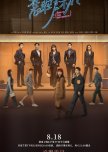
If you prefer mature, character-driven storytelling, Fake It Till You Make is a good watch! It takes a sharp look at what it takes to survive the modern corporate grind and find connection in a hyper-competitive city. However, be warned that although there is a lot of chemistry between the leads, this drama spends much more time in the boardroom than the bedroom.What I Liked:
Multidimensional Women: The real heart of this show belongs to the women. From the female lead to her boss and her sister-cousin, every woman gets a textured, layered, and interesting character arc. They do the heavy lifting of self-discovery while navigating corporate pressure. The men often feel like typical male archetypes, their roles are either mirrors or obstacles for the women to grow from.
Tang Ying’s Professional Growth: Her character arc is satisfying. Seeing her find her voice by setting hard boundaries, taking time off to recover from a stress-induced health crisis, and choosing to work smarter, not harder, was incredibly empowering.
The Chemistry & The Finale Turnaround: The physical and verbal chemistry between the leads is off the charts. The "playboy" male lead can be frustrating at times with his reluctance to set boundaries and settle down, he redeems himself in the final episode. Seeing him step up, slow down, be vulnerable, and genuinely take care of her is what makes the final episode incredibly swoony. Be warned that he is not a complete green flag and he has his reasons, but we do see a satisfying character arc from him.
What Didn't Work As Well
Too Much Office, Not Enough Romance: My biggest criticism is that the show is overly focused on boardroom meetings and workplace logistics. Because of the heavy corporate clutter, we only get glimpses into their actual relationship. With chemistry this good, we deserved fewer work meetings and more screen time dedicated to their dynamic. But when they were together, those scenes were golden.
The Commitment Question: Despite the gorgeous finale, this relationship can feel much more like a fun, playful "for now" situationship driven by chemistry and a shared fear of being alone, rather than a reliable, long-term lifetime commitment. He is definitely difficult to resist and knows it. This man has rizz!!
Final Thoughts
A refreshing, highly aesthetic, and mature watch that cuts out typical, cheesy romance tropes. Come for the incredible push-and-pull chemistry, stay for the brilliant female character developments!
Was this review helpful to you?
This review may contain spoilers
Came For the Romance, Stayed for The Queen Dowager
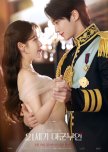
While I was highly anticipating this show for its star-studded main romance, I found myself only moderately invested in the central love line and more captivated by the dark, high-stakes family drama in the palace. The writers definitely left their most compelling storytelling potential on the table.The Critiques: Where the Writing Stumbled
1. IU’s Character Lacked Relatable Motivation: As a highly successful, wealthy, and independent CEO, Seong Hui-ju already had actual autonomy. Choosing to marry into a hyper-traditional, patriarchal royal system felt like volunteering for golden handcuffs. Instead of an empowering move, it felt like a massive step backward for a modern woman, making it hard to understand what she was actually gaining.
2. A "Too Perfect" Prince with Missing Backstory: Grand Prince Lee Ahn (Byeon Woo-seok) suffered from "Perfect Male Lead Syndrome." Because the early episodes prioritized rom-com aesthetics, we rarely saw his flaws, leaving him feeling overly passive until the plot forced him to act. Furthermore, the show deeply shortchanged his relationship with his late brother. We needed more screen time exploring why the late King felt so suffocated by the puppet masters that he wanted to leave the crown behind.
3. Palace Intrigue Treated Like a Second Thought: The most fascinating dynamics—the psychological war between the Queen Mother and her husband, and the toxic, generational conditioning by her ruthless father—were rushed through in quick flashbacks. Shifting just 20% more focus onto this dark political thriller would have made the show more compelling.
4. The Heartbreaking Treatment of the Boy King: Watching an eight-year-old child constantly crying, isolated, and pushed by his mother to "rule" felt less like palace intrigue and more like severe emotional abuse. In a modern, alternate-reality setting, this was incredibly heavy and exhausting to watch while the adult leads were flitting around in a corporate-merger romance.
The Saving Grace: Why It’s Still Worth the Watch
The absolute best part of the show belonged entirely to Queen Dowager Yoon Yi-rang (Gong Seung-yeon) and her young son.
Yi-rang was a powerhouse character. Her transition from a hardened, desperate political player into a mother who chooses to burn down her own cage to save her son’s sanity was the emotional peak of the series. The scene where she realizes her child overheard the brutal truth was heart breaking.
Watching Lee Ahn finally rise from passivity to actively protecting his nephew was incredibly satisfying. Ultimately, the best part of the final resolution was seeing the whole family finally freed. Too bad we didn't get to see more of that. I'd love to see a prequel drama focusing entirely on the childhood of the two princes, the early marriage of the Queen Mother, and the rising shadow of the Prime Minister's family dynasty.
Final Verdict: Come for the flashy romance, but stay for Gong Seung-yeon's compelling performance and the bittersweet redemption of the royal family.
Was this review helpful to you?
This review may contain spoilers
Elite Physicality, Peak Friendship
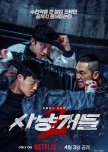
Confession: I actually couldn't make it all the way through Season 1 after multiple attempts, but I binged this season! It is a high-octane exploration of loyalty and the system updates required to survive a world that doesn't play fair.The "Brawn": Elite Physicality
The physiques in this drama are next-level. Rain, Lee Sang-yi, and Woo Do-hwan do not disappoint.
The Training Montages: These aren't just for show; they highlight the raw athleticism and "Iron Fist" discipline required for these roles.
The Finale: The fight scenes in the last episode are satisfying!
The "Heart": Gun-woo & Woo-jin
The bond between these two is the drama's "Safe Harbor". May we all have relationships like this! Their chemistry is pure magic, particularly in Episodes 1 and 7. I loved when Woo-jin was wearing the belt after Gun-woo won the title, haha.
The Struggle: My only critique is that they spend too much time on separate side quests even though they are on the same mission. I want my guys together on the screen, please!
The Reunion: Seeing them rejoin when things go wrong and then rebuild each other up is when the show truly shines. The way they can easily collapse in each other's presence and get strength from one another is the best.
Character Arc: The "Firewall" Update
My favorite part of the season is Gun-woo’s evolution. He starts with a "Cotton Candy Heart," but realizes that not everyone deserves his pure sincerity. Watching him build a Firewall around his heart—reserving his kindness for the inner circle while "Steeling" himself against enemies—is a powerful arc. His desire to protect (that classic FE personality) remains his core, but it’s now fortified. I love this arc for his character!
The Contrast: Good vs. Evil
The show does a fantastic job of contrasting the two foundations of good vs evil. The Good Side: Built on the foundation to protect and love one another. The Bad Side: Built on a "Logic Riot" of fear and greed. Rain plays the villain well.
Special Highlights
Park Seo-joon’s Cameo: A total "Premium" treat! His hilarious code names provided the perfect comedic relief. Oh and I can’t forget Dex!!
Verdict: A solid 8.5. Here’s hoping for a Season 3 where our boys get to stay together for the whole mission!
Was this review helpful to you?

This review may contain spoilers
From Clashing to a True Partnership
My Boss can be a bit tropey and even a little frustrating at times, but if you stick with it, the character growth is actually rewarding. It’s less about a typical "mean boss" and more about two people learning how to actually respect and support each other as equals.What I Enjoyed:
Heng’s Transformation: He starts off as your typical "rockstar" lawyer—brilliant but pretty arrogant and emotionally stunted. Watching him slowly realize he doesn't have all the answers was the best part. He goes from "butting in" and being overbearing to someone who is actually humble enough to admit when he’s wrong. It’s a huge change, and he becomes a much better partner because of it.
Yao’s Confidence: I loved watching Yao find her footing. She struggles with a lot of insecurity and "imposter syndrome" early on, but she grows so much backbone. She doesn't just "shrink" to fit into Heng’s world; she earns her spot at the table and eventually shows him that her way of doing things (with more heart and empathy) is just as valid as his cold logic.
The Takeaway:
The show is a great look at what happens when two high-achievers stop competing and start collaborating. They both had to do a lot of work to get there—there’s plenty of "growing pains" and communication mishaps—but seeing them finally get on the same page is so satisfying.
The Verdict: It’s a solid watch if you enjoy seeing a relationship where both people actually have to change and grow to make it work. It’s not a perfect journey, but the "win-win" ending makes the frustrating moments worth it!
Was this review helpful to you?
This review may contain spoilers
Beautiful Initial Chemistry, Sunk by Circular Angst
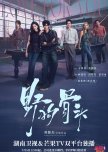
I really wanted to like this drama, especially after being so invested in the childhood arc. The leads have incredible visual chemistry, and there was so much potential for a good story. However, reaching the halfway mark at Episode 16, I’ve decided to drop it.The biggest issue for me is the shift in focus once we get the time jump. What started as an engaging story has become sluggish and circular. The pacing drags and not much is happening to move the story forward.
Once we get to the time jump, the relationship dynamic between Jing and Yi becomes frustrating to watch. Both carry childhood trauma and the pain of their separation, but we can tell that they still care deeply for one another. However, what we get is a hot and cold cycle from both of them that is exhausting. It is painful to watch them take one step forward only to take two steps back, repeatedly avoiding the necessary conversations to get them on track. Even worse, it often feels like Jing is intentionally trying to test Yi and it makes him suffer. Yi puts up his walls as well. I want to root for them but I found it hard to do so. Yi is an avoidant and Jing is anxious in their attachment styles. It is two people starving for the same thing (connection with one another) but using two completely opposite, self-sabotaging methods to try and get it. She often tries to trigger a response from him to see if he cares enough to fight for her. He acts both aloof and like a puppy, pretending that his need for her doesn't exist while also becoming overwhelmed and both running towards her and then distancing himself when she acts out. It’s like they’re together without having the conversations and doing the hard work of being together.
The noble idiocy trope used is also terrible because it strips away the character’s agency. Jing was 18, had graduated from high school, and is intelligent. She knows her options. Attending a good college isn’t the deciding factor towards a full life. C'mon Yi, let her decide on her own future! That's not love or sacrifice, it is meddling and distressing.
We also get side characters like Tu Li and Zhang Bin, who I find myself uninvested in. The side plots with their jobs (her current one and his past) seem confusing, distracting, and uninteresting. I don't know who or what I’m rooting for anymore. I would prefer if the story stayed closer to healing the main leads back together. I did like Bo--he is an anchor for Yi.
For me, the unknowns in the plot don't feel like an intriguing mystery—they feel like filler. The leads are beautiful, but visuals aren't enough when the writing lacks the substance to keep me invested and moving the story forward.
Was this review helpful to you?

Chasing After Ghosts Down Rabbit Holes
Light to the Night is an ambitious blend of a buddy-cop procedural, a slice-of-life drama, and a murder mystery. Spanning three separate timelines, keeping track of the narrative threads can be difficult if you're not invested. The time jumps can be jarring but they explain the missing pieces. Clocking in at 28 episodes, it feels bloated. I had to keep pushing through all the procedural steps and at times it started to feel like a tedious task to complete rather than an engaging watch.Plot
This is not an edge of your seat type thriller. In fact, the cops initially label it a prank then upon further investigation jump to conclusions multiple times and when they think it's been solved it really hasn't been! We are led through an exhausting series of multiple red herrings and narrative rabbit holes. For viewers like me who prefer deeply character-driven stories, this procedural-heavy approach is frustrating. For the majority of the run, it feels like we are chasing after ghosts, but I wasn't actually invested in the ghosts! When the drama finally pivots to a truly character-driven point of view in Episode 26, it is a massive turning point but it feels far too late in the game. The narrative would have been more compelling if it had been written entirely from that character perspective rather than through the lens of the police force.
Setting & Atmosphere
The series spends a lot of time in the creepy, unsettling apartment building of Yuanlongli. It acts as far more than just a backdrop—it functions as both a central setting and its own distinct character. It is filled with tales and a mixed bag of people and activities.
Dylan Wang's Performance
The highlight for me is Dylan Wang's portrayal of Ran Fangxu. Seeing him step away from his usual polished "idol" roles to take on a gritty, grounded character like this was refreshing. Fangxu is fiercely justice-minded and unyielding as a police officer, while also softhearted and even takes on a motherly role at times. The major twist surrounding his character was quite a shock, and it leaves a ripple of emotional impact that drives most of this series.
Final Verdict
If you like side quests, red herrings, and frustrating dives down rabbit holes, this is worth a watch. If you prefer more character driven plots, you'll have to wait until the very end for that.
Was this review helpful to you?
This review may contain spoilers
Connection & Community
The Village Barber is such a gem that prioritizes connection and community. It follows three men—Lee Sang-yi, Kwak Dong-yeon, and Park Bo-gum—as they open a pop-up hair salon in a small village, but the show is about so much more than just haircuts.The Trio’s Synergy:
The heart of this show is the three leads. Lee Sang-yi is the group’s emotional anchor. He exudes warmth to bridge the gap between celebrity and neighbor. I loved the way he moved effortlessly from nail tech to fertilizer mover to tutor to repairman! Kwak Dong-yeon has a great character arc, visibly coming out of his shell as the episodes progress. He's such a great chef and it was so cute to see him interact with his kitchen helper and tear up at the end when reading the kids' letters! Park Bo-gum's work ethic is so inspiring. His dedication to mastering the craft and his deep, focused attention to every client’s story reminded me why he is so beloved. I also enjoyed the chemistry with the surprise guests, especially Rain!
Emotional Resonance:
This isn't just a "job" variety show. It is a study on how presence can change a community. I was crying during the finale, seeing the villagers return to the shop even after the trio had left was the ultimate proof of the impact they made. It wasn't just about getting a haircut; it was about the space they created where the locals felt seen and cared for.
Verdict:
Heartwarming, sincere, and well paced. If you need a healing show that restores your faith in kindness or encouragement to try something you're not completely sure of, this is it.
Was this review helpful to you?


