
 K-Drama


 1
1 1
1 1
1


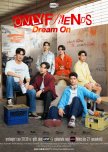
First impression: a exploration of desire and the consequences of following it blindly
The opening episodes of Only Friends: Dream On reveal a series that is very aware of its own appeal. Rather than softening the emotional chaos that made the franchise popular, the new season dives even deeper into it. The result is an intense start, filled with tension, provocation, and questionable decisions that always seem on the verge of setting the characters’ relationships on fire. There is a clear enjoyment in watching this game of messy emotions and poorly calculated impulses unfold, and the direction knows exactly how to make the most of that unstable atmosphere.
Much of this strength comes from the cast. The chemistry between the actors is the true engine of the narrative, and the camera often relies more on glances, pauses, and teasing than on long stretches of dialogue. The interactions carry a constant energy of attraction and conflict, creating a sense of unpredictability that keeps the viewer engaged. Some pairings thrive on the almost provocative friction between strong personalities, while others build a softer, slower tension. This variety helps prevent the drama from feeling repetitive, even when the story fully embraces its more exaggerated side.
Another strong point lies in how the series treats its characters as flawed people. No one appears entirely right or wrong, and much of the dramatic interest comes precisely from that moral ambiguity. Jealousy, insecurity, and desire are presented with very little filtering, giving the conflicts a raw and spontaneous tone. At the same time, the production maintains an engaging rhythm, balancing moments of intensity with pauses that allow emotions to build before eventually erupting.
On the other hand, the series occasionally stumbles over stylistic habits that attempt to add a level of sophistication that is not always necessary. The cuts to testimonial-style interviews, while intended to provide depth, sometimes interrupt the natural flow of scenes that would stand perfectly well on silence and subtle expressions alone. By over-explaining the characters' internal worlds, the script risks insulting the audience's intelligence, trading organic tension for a structured commentary that feels more like a safety net than a narrative leap.
There is also a slightly risky sense of comfort in the casting. By relying on pairings whose dynamics are already well known to fans, the narrative loses some of the “who will end up with whom” mystery, making the script feel a bit too dependent on the actors’ charisma rather than the unpredictability of the plot. Some musical transitions also feel somewhat dated, with a soundtrack that occasionally tries to dictate the emotional tone more loudly than the performances themselves.
Even so, these details rarely undermine the overall experience. Technical issues in mixing and pacing are easily forgiven thanks to the series’ willingness to present characters who are flawed, possessive, and delightfully human. Only Friends: Dream On does not try to be a philosophical treatise on love, but rather a vibrant exploration of desire and the disastrous consequences of following it blindly.
Much of this strength comes from the cast. The chemistry between the actors is the true engine of the narrative, and the camera often relies more on glances, pauses, and teasing than on long stretches of dialogue. The interactions carry a constant energy of attraction and conflict, creating a sense of unpredictability that keeps the viewer engaged. Some pairings thrive on the almost provocative friction between strong personalities, while others build a softer, slower tension. This variety helps prevent the drama from feeling repetitive, even when the story fully embraces its more exaggerated side.
Another strong point lies in how the series treats its characters as flawed people. No one appears entirely right or wrong, and much of the dramatic interest comes precisely from that moral ambiguity. Jealousy, insecurity, and desire are presented with very little filtering, giving the conflicts a raw and spontaneous tone. At the same time, the production maintains an engaging rhythm, balancing moments of intensity with pauses that allow emotions to build before eventually erupting.
On the other hand, the series occasionally stumbles over stylistic habits that attempt to add a level of sophistication that is not always necessary. The cuts to testimonial-style interviews, while intended to provide depth, sometimes interrupt the natural flow of scenes that would stand perfectly well on silence and subtle expressions alone. By over-explaining the characters' internal worlds, the script risks insulting the audience's intelligence, trading organic tension for a structured commentary that feels more like a safety net than a narrative leap.
There is also a slightly risky sense of comfort in the casting. By relying on pairings whose dynamics are already well known to fans, the narrative loses some of the “who will end up with whom” mystery, making the script feel a bit too dependent on the actors’ charisma rather than the unpredictability of the plot. Some musical transitions also feel somewhat dated, with a soundtrack that occasionally tries to dictate the emotional tone more loudly than the performances themselves.
Even so, these details rarely undermine the overall experience. Technical issues in mixing and pacing are easily forgiven thanks to the series’ willingness to present characters who are flawed, possessive, and delightfully human. Only Friends: Dream On does not try to be a philosophical treatise on love, but rather a vibrant exploration of desire and the disastrous consequences of following it blindly.
Was this review helpful to you?


