



The complexity of human feelings
I’ve been on a marathon of classic J-dramas, and of course Love Generation was on the list.
I watched this drama right after finishing other classics like Tokyo Love Story, Asunaro Hakusho, and Long Vacation.
Watching Love Generation gave me the same feeling as the others. I think there’s something about classic dramas from the ’90s and early 2000s—the atmosphere always carries this sense of familiarity, warmth, and even nostalgia for something I never actually lived through, but somehow wish I had. It feels like a time when everything moved more slowly, when time itself had more quality, when relationships felt real and close. Technology wasn’t as present in everyday life, and people had to go to each other’s houses just to talk—or make plans in person simply to spend time together.
I think classic dramas really capture that feeling well, and Love Generation is no exception. It follows a very similar storytelling style and narrative structure to other rom-coms from that era. There are no villains or major dramatic incidents—just people living their everyday lives, dealing with misunderstandings, tangled emotions, and confusion.
I don’t really agree with the criticism people often make about this and other dramas from that time—that “nothing happens” and everything could be solved with a simple conversation. I mean, maybe it could—but that would ignore how complex human emotions and behavior actually are. It’s normal to be prideful, and when we’re upset, we don’t always want to listen to the other side. In that sense, I actually think older dramas do a better job portraying the complexity of relationships, both romantic and platonic.
That’s very present in Love Generation. The story introduces two people who seem completely opposite, but are actually quite similar: Teppei and Riko. They clash at first, constantly bickering, but even through all their petty fights, they slowly start to understand each other—and eventually fall in love, in a classic enemies-to-lovers trope.
Some people felt that the romance was forced, especially on the male lead’s side. It’s not always easy to grasp a character’s feelings when we’re not inside their head. But I was able to pick up on the subtle development of Teppei’s feelings for Riko thanks to Kimura Takuya’s performance. He has a very distinctive way of expressing emotion through his eyes, half-smiles, and body language.
In the middle of the show, he seems unsure because of his past feelings, but it gradually becomes clear that Sanae was more of an idealized version of love for him—someone who never showed her flaws and always seemed perfect, almost like a porcelain doll. And that’s exactly why Teppei put her on a pedestal. Of course he loved her, but it was a more innocent kind of love—the kind that comes from not really knowing the other person’s complexity or seeing all sides of them.
At the beginning, I honestly couldn’t stand Riko because of how selfish she could be. But that’s exactly what makes the story work: Teppei falls in love with her for who she truly is, despite all her flaws, her rough edges, and even her more unpleasant traits. He embraces her humanity—her imperfections—and chooses to love her anyway. He even explains this to Sanae, saying that with Riko, he could be himself. No matter how much they fought, he always wanted her close.
To me, that’s the main contrast the show is trying to make: idealized, youthful love versus real love. Idealized love is beautiful—full of smiles and light, happy moments. But real love is about staying, about caring for the other person even when things aren’t going well, when both people are aware of their flaws and go through frustrations, losses, failures, and doubts together.
Teppei and Riko’s love may not be glamorous or picture-perfect, but that’s exactly what makes it feel so human.
That said, I definitely had moments where they both frustrated me—mostly Riko, I’ll admit. Even so, I was still rooting for them until the end. I won’t lie, though—I also got frustrated with the writers for relying too much on repeated misunderstandings instead of moving things forward. I think the drama would have been stronger with just 10 episodes, cutting scenes like the earring, the amusement park, the coworker subplot. It started to feel repetitive, and the ending dragged a bit. At one point, it honestly felt like Teppei had to practically beg in his knees just to be heard by Riko, which really irritated me.
But in the end, that also reinforces her character. It often felt like she loved him more than he loved her, so the story ends up showing that he loves her just as much—enough to go to great lengths for her.
Overall, it’s a great show, and I genuinely loved watching it. Aside from the stress of the last two episodes, it’s a drama that really stayed with me, and I don’t think I’ll forget it anytime soon.
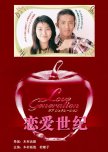
As for the weaker points, besides what I already mentioned, the soundtrack didn’t quite work for me. The theme song felt too melancholic and didn’t really match the tone of the drama—I would have preferred something different. Another weak point was the use of the glass apple. It’s there visually, but it feels somewhat random. While it helps build a visual identity, it doesn’t really serve a clear narrative purpose, except for a small connection near the end. Even then, it doesn’t feel like there’s a strong reason for it to be an apple specifically (unlike in Death Note or Boys Before Flowers, where apples have a clearer symbolic or linguistic meaning). I thought about it quite a bit but couldn’t come up with a solid interpretation—if anyone knows, I’d love to hear it.
Despite these small issues, it’s still a really good drama. If you enjoy that era and you’re a fan of Kimura Takuya, this one is absolutely a must-watch.
I watched this drama right after finishing other classics like Tokyo Love Story, Asunaro Hakusho, and Long Vacation.
Watching Love Generation gave me the same feeling as the others. I think there’s something about classic dramas from the ’90s and early 2000s—the atmosphere always carries this sense of familiarity, warmth, and even nostalgia for something I never actually lived through, but somehow wish I had. It feels like a time when everything moved more slowly, when time itself had more quality, when relationships felt real and close. Technology wasn’t as present in everyday life, and people had to go to each other’s houses just to talk—or make plans in person simply to spend time together.
I think classic dramas really capture that feeling well, and Love Generation is no exception. It follows a very similar storytelling style and narrative structure to other rom-coms from that era. There are no villains or major dramatic incidents—just people living their everyday lives, dealing with misunderstandings, tangled emotions, and confusion.
I don’t really agree with the criticism people often make about this and other dramas from that time—that “nothing happens” and everything could be solved with a simple conversation. I mean, maybe it could—but that would ignore how complex human emotions and behavior actually are. It’s normal to be prideful, and when we’re upset, we don’t always want to listen to the other side. In that sense, I actually think older dramas do a better job portraying the complexity of relationships, both romantic and platonic.
That’s very present in Love Generation. The story introduces two people who seem completely opposite, but are actually quite similar: Teppei and Riko. They clash at first, constantly bickering, but even through all their petty fights, they slowly start to understand each other—and eventually fall in love, in a classic enemies-to-lovers trope.
Some people felt that the romance was forced, especially on the male lead’s side. It’s not always easy to grasp a character’s feelings when we’re not inside their head. But I was able to pick up on the subtle development of Teppei’s feelings for Riko thanks to Kimura Takuya’s performance. He has a very distinctive way of expressing emotion through his eyes, half-smiles, and body language.
In the middle of the show, he seems unsure because of his past feelings, but it gradually becomes clear that Sanae was more of an idealized version of love for him—someone who never showed her flaws and always seemed perfect, almost like a porcelain doll. And that’s exactly why Teppei put her on a pedestal. Of course he loved her, but it was a more innocent kind of love—the kind that comes from not really knowing the other person’s complexity or seeing all sides of them.
At the beginning, I honestly couldn’t stand Riko because of how selfish she could be. But that’s exactly what makes the story work: Teppei falls in love with her for who she truly is, despite all her flaws, her rough edges, and even her more unpleasant traits. He embraces her humanity—her imperfections—and chooses to love her anyway. He even explains this to Sanae, saying that with Riko, he could be himself. No matter how much they fought, he always wanted her close.
To me, that’s the main contrast the show is trying to make: idealized, youthful love versus real love. Idealized love is beautiful—full of smiles and light, happy moments. But real love is about staying, about caring for the other person even when things aren’t going well, when both people are aware of their flaws and go through frustrations, losses, failures, and doubts together.
Teppei and Riko’s love may not be glamorous or picture-perfect, but that’s exactly what makes it feel so human.
That said, I definitely had moments where they both frustrated me—mostly Riko, I’ll admit. Even so, I was still rooting for them until the end. I won’t lie, though—I also got frustrated with the writers for relying too much on repeated misunderstandings instead of moving things forward. I think the drama would have been stronger with just 10 episodes, cutting scenes like the earring, the amusement park, the coworker subplot. It started to feel repetitive, and the ending dragged a bit. At one point, it honestly felt like Teppei had to practically beg in his knees just to be heard by Riko, which really irritated me.
But in the end, that also reinforces her character. It often felt like she loved him more than he loved her, so the story ends up showing that he loves her just as much—enough to go to great lengths for her.
Overall, it’s a great show, and I genuinely loved watching it. Aside from the stress of the last two episodes, it’s a drama that really stayed with me, and I don’t think I’ll forget it anytime soon.
As for the weaker points, besides what I already mentioned, the soundtrack didn’t quite work for me. The theme song felt too melancholic and didn’t really match the tone of the drama—I would have preferred something different. Another weak point was the use of the glass apple. It’s there visually, but it feels somewhat random. While it helps build a visual identity, it doesn’t really serve a clear narrative purpose, except for a small connection near the end. Even then, it doesn’t feel like there’s a strong reason for it to be an apple specifically (unlike in Death Note or Boys Before Flowers, where apples have a clearer symbolic or linguistic meaning). I thought about it quite a bit but couldn’t come up with a solid interpretation—if anyone knows, I’d love to hear it.
Despite these small issues, it’s still a really good drama. If you enjoy that era and you’re a fan of Kimura Takuya, this one is absolutely a must-watch.
Was this review helpful to you?


