
 News


 239
 443
 12
 1
 22
 15
 2
 7
 3
 8
 22
 30
 5
 4
 13
 70
 1
 4
 7
 13
 5
 3
 3
 13
 22
 22
 3
 7
 56
 130
 68
 6


This review may contain spoilers
A Nostalgic Golden-Era Melodrama
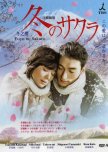
Stepping into Fuyu no Sakura feels like traveling back in time to that distinct, golden era of early 2010s television—a time when melodramas carried a special, unfiltered flavor and a raw atmosphere that modern dramas of today just rarely replicate. It wears its heavy, melancholic heart right on its sleeve, wrapping you in a wave of deep nostalgia.
●The Masterclass Performance of the Female Lead
The true anchor of this show is the female lead, whose performance feels like it was custom-tailored just for her. She is simply incredible at portraying a terminally ill character yearning for freedom, desperate to break free from the suffocating cuffs of her cheating, mentally unstable husband. He is genuinely nasty and disgusting—obsessed with every step she takes, doubting her every move, and sinking so low as to blackmail the male lead, forcing him to perform her surgery only if she walks away from the only person who offered her solace and comfort.
Despite all that weight, every smile she gives carries a hidden, profound pain. You can read the aching depth in her eyes when she looks at the blooming sakura tree—her ultimate symbol of hope—or the pair of glass birds symbolizing her dream of freedom. It adds such an impressive, poetic layer to the story.
●The Frustrations with the Main Hero & Husband
On the flip side, watching the main male lead was a constant struggle. For most of the show, he completely fails to convey the necessary emotional depth. As her supposed soulmate, you just couldn't feel a single drop of pain in his eyes. On top of that, it was deeply frustrating to watch his overly servile side—kneeling and waiting for the husband's mercy, walking straight into the obvious trap of being treated like trash.
It also felt like a massive missed opportunity that both leads failed to fully confess their feelings and take advantage of the time they had while she was still alive. Even though their chemistry was there, missing that crucial emotional payoff was a real loss.
●Stealing the Show: The Supporting Cast & Second Couple
Thankfully, the supporting cast carried immense weight and brought true worthiness to the show:
○The Second Couple (Satoh Takeru & Kato Rosa): They completely stole the show! Takeru Satoh and Rosa Kato had such a warm, comforting relationship that I honestly wanted more scenes of them—to the point where I loved them way more than the main couple. From Satoh Takeru's character wonderfully stepping up to donate blood for the husband (even after being wrongfully fired from the hospital) to their overall chemistry, they added so much heart.
○The Brotherly Bond: The strong, steadfast bond between the male lead and his brother was another major highlight that elevated the story.
○A Surprising Mother Figure: The male lead's mother was a pleasant surprise; unlike her toxic son, she wasn't a blind antagonist. She understood why the female lead needed to leave, acted as a wonderful grandma, and showed genuine respect.
●The Soundtrack & Atmospheric OST
Surprisingly, the soundtrack and OST were so good and fit the melodramatic vibes so amazingly well. They amplified every emotional high and low, perfectly anchoring that nostalgic, heart-tugging atmosphere throughout the series.
●Pacing, Redemption, and the Bitter-Sweet Ending
The story starts off rather mediocre and average, taking its time to find its footing, but it genuinely improves toward the end. Even the husband gets a bizarre redemption arc—almost like a sudden awakening after being stabbed by his own mistreated mistress.
While the finale packs an unexpected emotional wallop that deeply affects you, the bitter-sweet ending redeems a lot. Seeing the male lead find the strength to keep living, fulfilling her ultimate wish, and taking care of their favorite sakura until it blooms brings a poignant close to the journey.
●Final Verdict
Fuyu no Sakura is not a must-watch universal recommendation, but if you are yearning for a classic story from the early 2010s golden era to kill some time while waiting for modern shows to air, it has its charm. Because of the devastatingly effective final episode, the top-notch acting of the female lead, and the absolute perfection of Satoh Takeru and Kato Rosa's side story, I give it an 8/10.
Was this review helpful to you?


