

 1
1 9
9 1
1 1
1 1
1


This review may contain spoilers
Becoming A Monster, To Kill One (The monster is not that far)
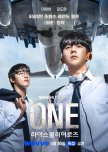
I started One: High School Heroes not expecting much. Just another high school action K-drama, I thought, with fists flying, bullies rising, and some righteous justice thrown in. But what I got was something else. Something deeper. Something sadder. And surprisingly, something I ended up caring about more than I expected.
Kim Eui-gyeom is a top student, quiet storm. He doesn’t want to fight, not really. But life pushes him. Bullies push him. His father pushes him. So he fights back, with fists, but also with the kind of raw ache that doesn’t bleed on the outside.
I didn’t come for the fight scenes. What gripped me was how the family was written. That’s where the real violence was.
Eui-gyeom’s father is terrifying not because he hits, but because he doesn’t have to. He doesn’t raise his hand, he raises expectations, so sharp they cut without leaving marks. He sees his son as a trophy, a name on a score sheet. A student, not a person. And that kind of abuse, the kind that hides behind perfect parenting, is more chilling than any schoolyard fight.
The mother, she’s more complicated. She loves her son. She tries. But she’s buried under guilt and grief, still mourning a lost older son to suicide. She attends therapy. She means well. And yet, she’s blind. Blind in the same way she was before. It hurts to watch. Because the show makes it clear, love isn’t enough if you’re not present. Caring isn’t the same as seeing.
I found myself thinking: she’s not the villain. But she’s not innocent either.
Eui-gyeom suffocating himself on the bed isn’t just a cry for help. It’s what it feels like when there’s no air left in your own house. When even living feels like a punishment. He doesn’t want to die. He just wants to stop hurting.
And then he finds another outlet. not a healthy one, but something. Fighting. Being a “hero.” Not because it’s noble, but because it hurts less.
I liked that he wasn’t unbeatable. He loses. He bleeds. He learns.
Then came Gwi-jae, a transfer student who fights like a ghost, deadly but reluctant. His presence brought up one of the show’s best questions: What’s the difference between fighting for justice and just fighting? Who gets to decide who the bad guys are? And what if you become one?
Through him, and through Seung-jun (a bully with guilt in his fists) the show reminded us: sometimes the line between villain and victim is just a matter of who hit first.
Yun-gi was a calm kind of flame. He lit something in Eui-gyeom, the idea of becoming heroes, of fighting back. But his reasons weren’t pure, either. Revenge, guilt, pain, the usual shadows that wear the mask of justice. His younger brother lies in a coma, and their crusade has a target. Of course it does.
But the real heart of the show (for me) was in the Walkman. A small, quiet symbol. It belonged to Eui-gyeom’s brother, who wore it to escape their father’s voice. “When I wear this, I’m in a world without him.” But even that escape turned into danger. He hurt Eui-gyeom by accident once, a small moment, but it stuck with me. Because it’s not just about leaving the world, it’s who you leave behind when you do.
Eui-gyeom wears it now too, but the music doesn’t play anymore. Just silence. He wears a broken escape, like trying to dream with your eyes open.
In one of the final scenes, he fights Choi Gi-su, and he starts seeing faces, his father’s, his own. The two people he’s trying to escape. He kicks, hard, and wins, not just the fight, but a small piece of freedom. He looks up at the blue sky. His first airplane. Not literal, symbolic. A dream, a breath. A life that isn’t a cage.
His mother, too, takes a step. She stands up. She questions the father. She sees the injuries. She says:
> "Don’t you think your education way would make him worse?"
That might be the first real act of parenting we see from her. And maybe, just maybe, it’s the start of something better.
The ending isn’t clean. Both boys are sent to a school known for violence, where survival means fighting. It's not a happy ending. But it's honest. Sometimes healing doesn’t start with peace. Sometimes it starts in the most broken places.
I didn’t expect to care this much.
But I did.
And I think it’s because this wasn’t really a story about high school fights. It was about how homes can become battlegrounds. About how escape can look like violence. And about how even the smallest acts, standing up, speaking out, looking at the sky, can be revolutions.
This is mostly going for a second season and I think I'll be watching that.
Kim Eui-gyeom is a top student, quiet storm. He doesn’t want to fight, not really. But life pushes him. Bullies push him. His father pushes him. So he fights back, with fists, but also with the kind of raw ache that doesn’t bleed on the outside.
I didn’t come for the fight scenes. What gripped me was how the family was written. That’s where the real violence was.
Eui-gyeom’s father is terrifying not because he hits, but because he doesn’t have to. He doesn’t raise his hand, he raises expectations, so sharp they cut without leaving marks. He sees his son as a trophy, a name on a score sheet. A student, not a person. And that kind of abuse, the kind that hides behind perfect parenting, is more chilling than any schoolyard fight.
The mother, she’s more complicated. She loves her son. She tries. But she’s buried under guilt and grief, still mourning a lost older son to suicide. She attends therapy. She means well. And yet, she’s blind. Blind in the same way she was before. It hurts to watch. Because the show makes it clear, love isn’t enough if you’re not present. Caring isn’t the same as seeing.
I found myself thinking: she’s not the villain. But she’s not innocent either.
Eui-gyeom suffocating himself on the bed isn’t just a cry for help. It’s what it feels like when there’s no air left in your own house. When even living feels like a punishment. He doesn’t want to die. He just wants to stop hurting.
And then he finds another outlet. not a healthy one, but something. Fighting. Being a “hero.” Not because it’s noble, but because it hurts less.
I liked that he wasn’t unbeatable. He loses. He bleeds. He learns.
Then came Gwi-jae, a transfer student who fights like a ghost, deadly but reluctant. His presence brought up one of the show’s best questions: What’s the difference between fighting for justice and just fighting? Who gets to decide who the bad guys are? And what if you become one?
Through him, and through Seung-jun (a bully with guilt in his fists) the show reminded us: sometimes the line between villain and victim is just a matter of who hit first.
Yun-gi was a calm kind of flame. He lit something in Eui-gyeom, the idea of becoming heroes, of fighting back. But his reasons weren’t pure, either. Revenge, guilt, pain, the usual shadows that wear the mask of justice. His younger brother lies in a coma, and their crusade has a target. Of course it does.
But the real heart of the show (for me) was in the Walkman. A small, quiet symbol. It belonged to Eui-gyeom’s brother, who wore it to escape their father’s voice. “When I wear this, I’m in a world without him.” But even that escape turned into danger. He hurt Eui-gyeom by accident once, a small moment, but it stuck with me. Because it’s not just about leaving the world, it’s who you leave behind when you do.
Eui-gyeom wears it now too, but the music doesn’t play anymore. Just silence. He wears a broken escape, like trying to dream with your eyes open.
In one of the final scenes, he fights Choi Gi-su, and he starts seeing faces, his father’s, his own. The two people he’s trying to escape. He kicks, hard, and wins, not just the fight, but a small piece of freedom. He looks up at the blue sky. His first airplane. Not literal, symbolic. A dream, a breath. A life that isn’t a cage.
His mother, too, takes a step. She stands up. She questions the father. She sees the injuries. She says:
> "Don’t you think your education way would make him worse?"
That might be the first real act of parenting we see from her. And maybe, just maybe, it’s the start of something better.
The ending isn’t clean. Both boys are sent to a school known for violence, where survival means fighting. It's not a happy ending. But it's honest. Sometimes healing doesn’t start with peace. Sometimes it starts in the most broken places.
I didn’t expect to care this much.
But I did.
And I think it’s because this wasn’t really a story about high school fights. It was about how homes can become battlegrounds. About how escape can look like violence. And about how even the smallest acts, standing up, speaking out, looking at the sky, can be revolutions.
This is mostly going for a second season and I think I'll be watching that.
Was this review helpful to you?


