
 Editorials


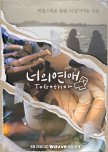
The Controversy and South Korea's Failed Society to Protect the Vulnerable Womens.
I give this show the lowest only because it failed to protect the women from false accusation and from cyberbullying:
I watched Kim Riwon’s clarification video, and honestly, it was deeply painful to watch. The vulnerability and desperation in her voice while she talked about the abuse she faced was heartbreaking. No one should have to go through something like that, let alone have it exposed and judged by millions of strangers online.
What’s happening to Kim Riwon feels like a harsh collision between someone’s private struggles and a digital culture that can be incredibly unforgiving. In South Korea especially, several long-standing issues are part of this situation.
First, there’s the double standard around a person’s past, especially when it comes to women. Adult content work carries a heavy stigma in Korean society. Even when someone tries to move forward and rebuild their life, their past is often used against them as a weapon to shame and dehumanize them, no matter the circumstances behind it.
Then there’s the reality of online mob culture. South Korea has seen many cases of extreme cyberbullying, where rumors spread quickly and online communities can turn into digital mobs. In Riwon’s case, being labeled things like a “pimp” or a “murderer” without any proper investigation shows how quickly accusations can replace facts in the court of public opinion.
There’s also the broader issue of gender-based violence. The clips showing abuse from her ex-boyfriend are part of a larger and painful conversation in Korea about dating violence and digital exploitation, especially after incidents like the Nth Room case. Many people feel that victims are still not adequately protected from blackmail, harassment, and public humiliation.
What makes this even more tragic is that someone who already suffered domestic abuse is now facing a massive wave of public character assassination. In the video, Riwon asks a simple but powerful question—why must she be tied to her past forever, even when she’s trying to live a quiet and honest life now?
That question goes beyond this single controversy. It touches on something deeply human: the ability to grow, to change, and to move forward without being permanently defined by one chapter of your life.
The controversy around ToGetHer may be extreme, but it has also started an important conversation—both in Korea and internationally—about where the line lies between public interest and cruelty.
I watched Kim Riwon’s clarification video, and honestly, it was deeply painful to watch. The vulnerability and desperation in her voice while she talked about the abuse she faced was heartbreaking. No one should have to go through something like that, let alone have it exposed and judged by millions of strangers online.
What’s happening to Kim Riwon feels like a harsh collision between someone’s private struggles and a digital culture that can be incredibly unforgiving. In South Korea especially, several long-standing issues are part of this situation.
First, there’s the double standard around a person’s past, especially when it comes to women. Adult content work carries a heavy stigma in Korean society. Even when someone tries to move forward and rebuild their life, their past is often used against them as a weapon to shame and dehumanize them, no matter the circumstances behind it.
Then there’s the reality of online mob culture. South Korea has seen many cases of extreme cyberbullying, where rumors spread quickly and online communities can turn into digital mobs. In Riwon’s case, being labeled things like a “pimp” or a “murderer” without any proper investigation shows how quickly accusations can replace facts in the court of public opinion.
There’s also the broader issue of gender-based violence. The clips showing abuse from her ex-boyfriend are part of a larger and painful conversation in Korea about dating violence and digital exploitation, especially after incidents like the Nth Room case. Many people feel that victims are still not adequately protected from blackmail, harassment, and public humiliation.
What makes this even more tragic is that someone who already suffered domestic abuse is now facing a massive wave of public character assassination. In the video, Riwon asks a simple but powerful question—why must she be tied to her past forever, even when she’s trying to live a quiet and honest life now?
That question goes beyond this single controversy. It touches on something deeply human: the ability to grow, to change, and to move forward without being permanently defined by one chapter of your life.
The controversy around ToGetHer may be extreme, but it has also started an important conversation—both in Korea and internationally—about where the line lies between public interest and cruelty.
Was this review helpful to you?


