



This review may contain spoilers
I LIKE THE MOON, BUT THE MOON DOESN'T KNOW !!!
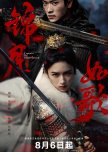
Legend of the Female General is one of those rare historical dramas that manages to feel both familiar and completely fresh. It takes well-worn tropes—the cold male lead, the hidden identity, the struggle for power—and injects them with heart, growth, and a quietly radical feminist undertone. Zhou Ye and Cheng Lei were nothing short of outstanding in their performances, and together, they carried the drama into something memorable and inspiring.
What stood out to me most is the journey of He Yan. Unlike most female leads in this genre, she isn’t written as a naturally talented fighter whose skills are recognized over time. Instead, she begins at rock bottom, stripped of everything, and has to claw her way back up through sheer grit, persistence, and intelligence. It was incredibly refreshing to see a heroine who doesn’t succeed because she’s “special” or “gifted,” but because she works harder than everyone else. The message that dedication and resilience matter more than natural talent made her arc deeply empowering and, honestly, very moving to watch.
Zhou Ye delivered on every level. She captured He Yan’s curiosity, wit, humor, and resilience, but also her vulnerability as someone struggling to find her place and identity after losing so much. Some viewers complained at the beginning that she lacked the aura of a general, but I think this criticism completely missed the point. Legend of the Female General is about growth. Watching He Yan step into her role gradually, with setbacks and moments of doubt, was exactly what made her rise so rewarding.
On the other hand, Cheng Lei brought Xiao Jue to life with so much nuance. He could have easily fallen into the “cold, stoic male lead” cliché, but instead he came across as commanding and charismatic while also warm, humorous, and emotionally intelligent. What I appreciated most is how feminist his character was without ever being preachy. Once he realized He Yan was a woman, he never belittled her, dismissed her, or tried to “protect” her in a patronizing way. Instead, he respected her skills, praised her achievements openly, and supported her in reclaiming her identity as a woman. He wanted her not only to succeed as a general, but also to embrace her womanhood proudly in a world that denied women any space outside the inner quarters. That balance made Xiao Jue one of the rare male leads in historical dramas who felt like a true partner, rather than a rival or a shadow to the female lead’s success.
Together, Zhou Ye and Cheng Lei had electric chemistry. Their banter was playful, their tension gripping, and their emotional scenes heartfelt. It wasn’t just about romance; it was about mutual respect, admiration, and partnership. Watching them grow together was one of the highlights of the drama.
The secondary characters added texture, though with varying degrees of impact. Chu Zhao, for instance, was interesting at first but ultimately fell into the trope of the entitled second male lead. He presented himself as moral and righteous, but his actions—particularly the way he used Pingping while falsely praising her—revealed a hypocrisy that made his so-called “love” for He Yan feel shallow. He wasn’t the feminist he imagined himself to be, and in the end, his character lacked the integrity he pretended to uphold. In contrast, Cheng Lisu and Song Taotao’s subplot was genuinely refreshing and sweet, even if their screen time was limited due to production issues.
The villains were the weakest part for me. He Rufei was absurdly delusional, more tantrum-throwing child than credible threat, and Xu Jingfu’s motives were left frustratingly underdeveloped. There were also plot threads—like Madam He and Mister He colluding with their son—that were brushed aside with little payoff, and even the villains’ deaths felt rushed. With more time, these arcs could have been more impactful.
Visually, the show was beautiful. The cinematography, battle scenes, and costumes all elevated the story, while the smaller comedic and emotional moments gave the drama heart and intimacy. And one detail I deeply appreciated: the fact that He Yan’s comrades and Xiao Jue’s subordinates actually survived until the end. It’s a small thing, but in a genre where beloved side characters often die for the sake of drama, it was a rare and welcome mercy that made the finale feel more hopeful.
If the drama has a flaw, it’s the runtime. At just 30 episodes, it sometimes felt rushed. A longer run—40 to 45 episodes—would have allowed the story to breathe and given more space for He Yan’s inner journey and the villains’ arcs. Still, with the time they had, the production team did an excellent job keeping the story cohesive, engaging, and emotionally satisfying.
Ultimately, Legend of the Female General is more than just another historical romance. It’s a story of resilience, growth, and love told through a feminist lens, with a heroine who refuses to be defined by her limitations and a male lead who never overshadows her but instead lifts her up. Zhou Ye and Cheng Lei’s performances were phenomenal, and together they created a drama that is touching, inspiring, and unforgettable.
Highly recommended if you want a drama that combines romance, action, humor, and an empowering message about what it means to fight for your place in the world—and to do so as a woman.
What stood out to me most is the journey of He Yan. Unlike most female leads in this genre, she isn’t written as a naturally talented fighter whose skills are recognized over time. Instead, she begins at rock bottom, stripped of everything, and has to claw her way back up through sheer grit, persistence, and intelligence. It was incredibly refreshing to see a heroine who doesn’t succeed because she’s “special” or “gifted,” but because she works harder than everyone else. The message that dedication and resilience matter more than natural talent made her arc deeply empowering and, honestly, very moving to watch.
Zhou Ye delivered on every level. She captured He Yan’s curiosity, wit, humor, and resilience, but also her vulnerability as someone struggling to find her place and identity after losing so much. Some viewers complained at the beginning that she lacked the aura of a general, but I think this criticism completely missed the point. Legend of the Female General is about growth. Watching He Yan step into her role gradually, with setbacks and moments of doubt, was exactly what made her rise so rewarding.
On the other hand, Cheng Lei brought Xiao Jue to life with so much nuance. He could have easily fallen into the “cold, stoic male lead” cliché, but instead he came across as commanding and charismatic while also warm, humorous, and emotionally intelligent. What I appreciated most is how feminist his character was without ever being preachy. Once he realized He Yan was a woman, he never belittled her, dismissed her, or tried to “protect” her in a patronizing way. Instead, he respected her skills, praised her achievements openly, and supported her in reclaiming her identity as a woman. He wanted her not only to succeed as a general, but also to embrace her womanhood proudly in a world that denied women any space outside the inner quarters. That balance made Xiao Jue one of the rare male leads in historical dramas who felt like a true partner, rather than a rival or a shadow to the female lead’s success.
Together, Zhou Ye and Cheng Lei had electric chemistry. Their banter was playful, their tension gripping, and their emotional scenes heartfelt. It wasn’t just about romance; it was about mutual respect, admiration, and partnership. Watching them grow together was one of the highlights of the drama.
The secondary characters added texture, though with varying degrees of impact. Chu Zhao, for instance, was interesting at first but ultimately fell into the trope of the entitled second male lead. He presented himself as moral and righteous, but his actions—particularly the way he used Pingping while falsely praising her—revealed a hypocrisy that made his so-called “love” for He Yan feel shallow. He wasn’t the feminist he imagined himself to be, and in the end, his character lacked the integrity he pretended to uphold. In contrast, Cheng Lisu and Song Taotao’s subplot was genuinely refreshing and sweet, even if their screen time was limited due to production issues.
The villains were the weakest part for me. He Rufei was absurdly delusional, more tantrum-throwing child than credible threat, and Xu Jingfu’s motives were left frustratingly underdeveloped. There were also plot threads—like Madam He and Mister He colluding with their son—that were brushed aside with little payoff, and even the villains’ deaths felt rushed. With more time, these arcs could have been more impactful.
Visually, the show was beautiful. The cinematography, battle scenes, and costumes all elevated the story, while the smaller comedic and emotional moments gave the drama heart and intimacy. And one detail I deeply appreciated: the fact that He Yan’s comrades and Xiao Jue’s subordinates actually survived until the end. It’s a small thing, but in a genre where beloved side characters often die for the sake of drama, it was a rare and welcome mercy that made the finale feel more hopeful.
If the drama has a flaw, it’s the runtime. At just 30 episodes, it sometimes felt rushed. A longer run—40 to 45 episodes—would have allowed the story to breathe and given more space for He Yan’s inner journey and the villains’ arcs. Still, with the time they had, the production team did an excellent job keeping the story cohesive, engaging, and emotionally satisfying.
Ultimately, Legend of the Female General is more than just another historical romance. It’s a story of resilience, growth, and love told through a feminist lens, with a heroine who refuses to be defined by her limitations and a male lead who never overshadows her but instead lifts her up. Zhou Ye and Cheng Lei’s performances were phenomenal, and together they created a drama that is touching, inspiring, and unforgettable.
Highly recommended if you want a drama that combines romance, action, humor, and an empowering message about what it means to fight for your place in the world—and to do so as a woman.
Was this review helpful to you?


