
 K-Drama


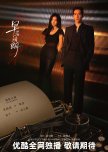

The Early Spring (2026) and The Tale of Rose (2024) share a profound interest in personal growth, emotional maturity, and the different ways people learn to love and let go. Both place their characters in relationships that become catalysts for self-discovery rather than simple romantic fulfillment. Rose and Flora experience love while simultaneously redefining who they are and what they want from life. Both dramas also understand that not every meaningful relationship is meant to last forever. Ultimately, they suggest that growing up means accepting change without allowing the past to diminish the person we become.

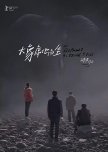
An Elephant Sitting Still resembles Murderer Report in its portrayal of emotional exhaustion and systemic indifference. Both depict characters crushed by unresolved trauma, where silence and neglect become forms of violence. Justice feels absent, and despair accumulates quietly, revealing how suffering, when ignored, erodes morality and the will to endure.

The Truth Beneath resembles Murderer Report in its portrayal of truth as unstable and morally exhausting. Both films explore how trauma and political or social pressure distort perception, pushing their protagonists into psychological collapse as the search for justice becomes inseparable from obsession and inner disintegration.

Confession of Murder resembles Murderer Report in its examination of guilt, public morality, and the tension between legal justice and emotional truth. Both question whether society can—or should—separate accountability from repentance, and how media exposure can distort justice, turning trauma into spectacle while blurring ethical responsibility.

I Saw the Devil resembles Murderer Report in how it erases the boundary between justice and vengeance. Both explore the psychological corrosion that follows trauma, showing how the pursuit of retribution can become as destructive as the original crime, revealing how moral clarity dissolves under sustained pain and obsession.

Secret Sunshine resembles Murderer Report in its exploration of unresolved pain and the fragility of emotional justice. Both works portray how trauma, when left uncontained and unrepaired, reshapes individual morality. They do not seek to justify extreme acts, but to understand the inner rupture that occurs when forgiveness and justice fail.

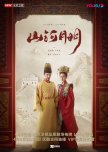
Both productions show the magnitude of sacrifice and the weight of ambition, but while The Imperial Age tends to lose some of its strength due to editing and condensation choices, Love’s Ambition begins with the promise of balancing the epic with the intimate. The altruistic wish here is that it can sustain that balance without losing the soul of its story.
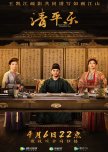
The connection lies in the visual richness and the construction of an atmosphere that conveys solemnity and beauty. Love’s Ambition, by contrast, feels more vibrant and emotionally charged, highlighting the need to safeguard the humanity of its characters even amid great narrative tensions.

It shares the same care for aesthetics, reflective dialogues, and the exploration of family and social dynamics. While Minglan leans toward the strategic and subtle, Love’s Ambition projects a more direct and emotional rhythm, reminding us that empathy and vulnerability are also forms of wisdom.
It resembles it in the way it portrays human emotions with delicacy and realism. Both stories invite reflection on inner strength in the face of adversity. The difference is that Love’s Ambition seems to pursue a more passionate tone, where the emotional well-being of its characters becomes the true core—and therein lies its altruistic value.


