
 K-Drama



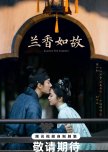
A Rare, Grounded Triumph of Female Resilience and Feudal Survival
Against the Current (兰香如故) sets itself apart from the crowded landscape of historical romance by stripping away glossy genre tropes and confronting the brutal socioeconomic realities of its era. At its core, the series is an unvarnished examination of autonomy, survival, and the quiet dignity of women navigating an oppressive feudal machine. What makes the storytelling so potent is its meticulous attention to the economics of servitude, where freedom is never treated as an abstract romantic ideal, but as something with a literal price tag. The series never lets the audience forget that servants—regardless of skill, loyalty, or domestic standing—are legally property bound to a single household contract that dictates their bodily safety, marriage prospects, and very existence.
The inner courtyard dynamics carry genuine weight because the show completely avoids petty melodrama and manufactured catfights. When characters hoard a few copper coins, guard a gold ingot, or weigh costly bribes against decades of forced labor, it is not greed; it is the desperate, exhausting calculation of buying back one’s own freedom. Whether dissecting the schemes of highborn wives trapped in their own gilded cages, the tragic betrayals born of desperation, or the plight of impoverished girls sold off from the countryside, the narrative makes it painfully clear that these women are forced to fight for survival scraps within a system designed to consume them all. Even in their darkest moments, their fractured solidarity and covert acts of mutual protection highlight an extraordinary resilience under impossible confines.
Xu Lanxiang stands out as one of the most compelling female leads in recent costume dramas precisely because she is not written as an infallible mastermind. Her intelligence is grounded in patience, domestic observation, and calculated survival. She does not chase reckless revenge; she reads the subtle power shifts within the manor, endures humiliating indignities, and quietly gathers the leverage needed to protect herself and the people she cares about. Her resistance is subtle yet unshakable—a quiet, stubborn refusal to let the cruelty around her strip away her humanity.
The central relationship between Lanxiang and Lin Jinqi succeeds because it earns every ounce of trust across a deliberate, slow-burn arc. Jinqi never acts as a patronizing savior swooping in to rescue a damsel in distress; he respects her guarded boundaries and proves his loyalty through silent, high-stakes protection. Watching their dynamic evolve from sharp suspicion to shared survival and eventual deep domestic devotion feels grounded and authentic. Concluding their story not at a neat, fairy-tale wedding, but decades later as they face the cumulative physical toll of a lifetime of duty, gives their bond the lingering emotional gravity of an entire life truly lived together.
Was this review helpful to you?


