

 1
1


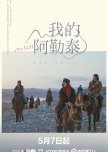
My Altay – A Lyrical Ode to the Altay Frontier
The miniseries To the Wonder (我的阿勒泰), adapted from Li Juan’s eponymous essay, captures the vast expanse of the Altay region and the solitude of pastoral life. It tells the story of a young woman who leaves behind the city for the open landscapes of Xinjiang, where she encounters a Kazakh herder. Their tentative relationship unfolds against the backdrop of changing seasons, shaped by unspoken emotions, fleeting moments, and the tension between tradition and modernity.
The series vividly portrays the lives of Kazakh herders, their bond with the land, and the challenges they face. Unlike many portrayals of pastoral life that exoticize or overly romanticize it, To the Wonder presents an authentic yet deeply emotional narrative. It does not merely depict life on the steppes but immerses the viewer in its rhythms, crafting a story rich with quiet intensity. The use of real locations and natural lighting enhances the immersion, making the shifting landscapes feel like characters of their own.
Beneath the beauty of this world lies an unspoken anxiety—the erosion of traditions, the pull of urbanization, and the question of what is left behind. The deeper message of the series is one of adaptation—minorities navigating the pressures of a changing world and reconciling the need to preserve identity with the inevitability of progress. Once deeply rooted customs, like the tradition of never selling live sheep as products—insisting instead on slaughtering them as a gesture of goodwill and hospitality—have gradually faded, mirroring the broader cultural shifts within these communities.
This theme of adaptation is most apparent in Sulitan’s arc. He is forced to relinquish symbols of his heritage—his guns are confiscated, he gives up falconry, and ultimately, he accepts his son’s relationship outside of their religion. These moments, though painful, reflect the broader struggle of holding onto the past while acknowledging the inevitability of change. His loss of falconry, once an integral part of Kazakh identity, is not just personal but emblematic of a wider reality where government regulations and modernization steadily erode long-standing ways of life.
The series stands out for its commitment to linguistic and cultural authenticity. Native Kazakh speakers play key roles, lending the dialogue a natural cadence and emotional weight rarely seen in mainstream Chinese dramas. The lead actor, Yu Shi’s decision to learn Kazakh for the role, rather than relying on dubbing, is a rare and commendable effort that adds to the depth of his performance. These details ground the story, making it feel lived-in rather than performed.
The romance at the heart of To the Wonder is one of restraint and longing. The connection between the protagonist and the herder unfolds through glances, shared silences, and the weight of unspoken words. There are no grand declarations, only the slow burn of emotions that mirror the vastness of the land itself. Their story is shaped by circumstances as much as personal choice, reinforcing the themes of transience and the fleeting nature of human connection.
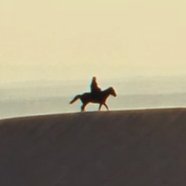
The cinematography is breathtaking, capturing the Altay region in all its seasonal splendor. Wide-angle shots emphasize the isolation of the characters against the endless horizon, while golden hour lighting bathes scenes in a soft glow, enhancing their dreamlike quality. The interplay of light and shadow adds an almost hypnotic atmosphere, drawing viewers into the stillness of the landscape. Each frame feels intentional, as if preserving a moment before it vanishes.
Perhaps the most magical moment in the series is one that was never planned. It came not during filming, but at the airing of its finale. A geomagnetic storm swept over Xinjiang, bathing the region in a once-in-a-lifetime occurrence of the aurora borealis. The timing was uncanny—the crimson skies mirrored the most emotional scenes during the climax, making the experience feel almost supernatural. This coincidence only deepened the series’ themes of fate, wonder, and the unexplainable beauty of the world.
To the Wonder is not a conventional drama filled with high-stakes conflicts or fast-moving plots. Instead, it is a slow-burn—a deeply felt, exquisitely shot exploration of place, identity, and the tenuous connections we forge. It demands patience but rewards viewers with a deeply immersive and emotionally resonant experience. For those willing to surrender to its unhurried pace, the series offers something rare: a chance to truly feel a landscape, to inhabit the silences between words, and to find wonder in the everyday.
A masterpiece of mood and atmosphere, To the Wonder is a love letter to the Altay region, its people, and the quiet yearning that exists within us all.
The series vividly portrays the lives of Kazakh herders, their bond with the land, and the challenges they face. Unlike many portrayals of pastoral life that exoticize or overly romanticize it, To the Wonder presents an authentic yet deeply emotional narrative. It does not merely depict life on the steppes but immerses the viewer in its rhythms, crafting a story rich with quiet intensity. The use of real locations and natural lighting enhances the immersion, making the shifting landscapes feel like characters of their own.
Beneath the beauty of this world lies an unspoken anxiety—the erosion of traditions, the pull of urbanization, and the question of what is left behind. The deeper message of the series is one of adaptation—minorities navigating the pressures of a changing world and reconciling the need to preserve identity with the inevitability of progress. Once deeply rooted customs, like the tradition of never selling live sheep as products—insisting instead on slaughtering them as a gesture of goodwill and hospitality—have gradually faded, mirroring the broader cultural shifts within these communities.
This theme of adaptation is most apparent in Sulitan’s arc. He is forced to relinquish symbols of his heritage—his guns are confiscated, he gives up falconry, and ultimately, he accepts his son’s relationship outside of their religion. These moments, though painful, reflect the broader struggle of holding onto the past while acknowledging the inevitability of change. His loss of falconry, once an integral part of Kazakh identity, is not just personal but emblematic of a wider reality where government regulations and modernization steadily erode long-standing ways of life.
The series stands out for its commitment to linguistic and cultural authenticity. Native Kazakh speakers play key roles, lending the dialogue a natural cadence and emotional weight rarely seen in mainstream Chinese dramas. The lead actor, Yu Shi’s decision to learn Kazakh for the role, rather than relying on dubbing, is a rare and commendable effort that adds to the depth of his performance. These details ground the story, making it feel lived-in rather than performed.
The romance at the heart of To the Wonder is one of restraint and longing. The connection between the protagonist and the herder unfolds through glances, shared silences, and the weight of unspoken words. There are no grand declarations, only the slow burn of emotions that mirror the vastness of the land itself. Their story is shaped by circumstances as much as personal choice, reinforcing the themes of transience and the fleeting nature of human connection.
The cinematography is breathtaking, capturing the Altay region in all its seasonal splendor. Wide-angle shots emphasize the isolation of the characters against the endless horizon, while golden hour lighting bathes scenes in a soft glow, enhancing their dreamlike quality. The interplay of light and shadow adds an almost hypnotic atmosphere, drawing viewers into the stillness of the landscape. Each frame feels intentional, as if preserving a moment before it vanishes.
Perhaps the most magical moment in the series is one that was never planned. It came not during filming, but at the airing of its finale. A geomagnetic storm swept over Xinjiang, bathing the region in a once-in-a-lifetime occurrence of the aurora borealis. The timing was uncanny—the crimson skies mirrored the most emotional scenes during the climax, making the experience feel almost supernatural. This coincidence only deepened the series’ themes of fate, wonder, and the unexplainable beauty of the world.
To the Wonder is not a conventional drama filled with high-stakes conflicts or fast-moving plots. Instead, it is a slow-burn—a deeply felt, exquisitely shot exploration of place, identity, and the tenuous connections we forge. It demands patience but rewards viewers with a deeply immersive and emotionally resonant experience. For those willing to surrender to its unhurried pace, the series offers something rare: a chance to truly feel a landscape, to inhabit the silences between words, and to find wonder in the everyday.
A masterpiece of mood and atmosphere, To the Wonder is a love letter to the Altay region, its people, and the quiet yearning that exists within us all.
Was this review helpful to you?


