

Recent Discussions



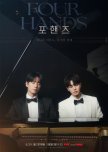
### Similarities between *Piano Forest* and *Four Hands & Two Sonatas*
- Both stories revolve around **talented young pianists** and their passion for classical music.
- Both feature **music competitions, rivalry, and the pressure to prove one's talent**.
- The relationship between the main characters develops through a mixture of **competition, friendship, and mutual understanding**.
- Both explore how characters from **different backgrounds and circumstances** are connected through their love for music.
- The stories focus on **personal growth, ambition, dreams, and the struggles of becoming a musician**.
- Both have emotional moments where **music becomes a way for characters to express feelings that they cannot easily put into words**.
- If you liked *Four Hands & Two Sonatas* for its **piano performances, rivalry, friendship, and emotional connection between talented musicians**, *Piano Forest* is definitely worth watching.
- Both stories revolve around **talented young pianists** and their passion for classical music.
- Both feature **music competitions, rivalry, and the pressure to prove one's talent**.
- The relationship between the main characters develops through a mixture of **competition, friendship, and mutual understanding**.
- Both explore how characters from **different backgrounds and circumstances** are connected through their love for music.
- The stories focus on **personal growth, ambition, dreams, and the struggles of becoming a musician**.
- Both have emotional moments where **music becomes a way for characters to express feelings that they cannot easily put into words**.
- If you liked *Four Hands & Two Sonatas* for its **piano performances, rivalry, friendship, and emotional connection between talented musicians**, *Piano Forest* is definitely worth watching.

Similarities between *Four Hands & Two Sonatas* and *Twinkling Watermelon*
- Both dramas have **music as an important part of the story** and use it to connect the characters and their emotions.
- Both explore themes of **youth, dreams, passion, and self-discovery**.
- **Family relationships and emotional connections** play an important role in both stories.
- Both feature a strong and heartwarming **bromance**, with meaningful friendships and close bonds between the male characters.
- The characters go through **personal struggles and growth** while learning more about themselves and the people around them.
- Both have a **heartwarming and emotional coming-of-age atmosphere**.
- If you liked *Four Hands & Two Sonatas*, you will definitely enjoy *Twinkling Watermelon* for its music, emotions, friendship, bromance, and heartfelt story.
- Both dramas have **music as an important part of the story** and use it to connect the characters and their emotions.
- Both explore themes of **youth, dreams, passion, and self-discovery**.
- **Family relationships and emotional connections** play an important role in both stories.
- Both feature a strong and heartwarming **bromance**, with meaningful friendships and close bonds between the male characters.
- The characters go through **personal struggles and growth** while learning more about themselves and the people around them.
- Both have a **heartwarming and emotional coming-of-age atmosphere**.
- If you liked *Four Hands & Two Sonatas*, you will definitely enjoy *Twinkling Watermelon* for its music, emotions, friendship, bromance, and heartfelt story.


If you like quiet shows about adult women in established heterosexual marriages having their worlds crumble to dust under the softly undeniable attractions they feel towards their first female loves, these two shows may be for you. They have similar plots, pacing, tone, and energies. There are also guaranteed happy endings in them both as well.

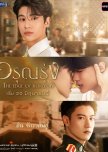
Both are historical dramas that deal with socio-political issues in which the characters have to navigate the times, their dreams and love in front of the backdrop of social inequalities, cultural norms, and economic conditions.


Dark Story
Rituals
The leads have Supernatural Abilities
I really recommend it, it’s very underrated but amazing story
Rituals
The leads have Supernatural Abilities
I really recommend it, it’s very underrated but amazing story
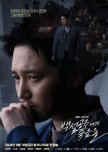

It’s similar because you don’t really know who is the villain till a certain point;
Crime drama
ML searching for answers
Very intense thriller and perfect for Binge Watching
Crime drama
ML searching for answers
Very intense thriller and perfect for Binge Watching


Yesterday once more has the concept of falling in the cycle of time and space. So does Apollo's song


ML is a judge with autism spectrum disorder and ADHD/ FL is a lawyer with autism spectrum disorder


One of the leads is people pleasure person who is very popular and the other one is a loner who just joined a club and get used to other people


I'm Not a Robot story a little like Take Charge of My Heart
chae soo bin is in both dramas.
i hope i like this too
chae soo bin is in both dramas.
i hope i like this too

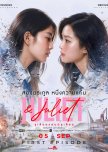
Both are lgbtq+ romance dramas about youths of two rivaling families falling in love and getting into a secret, forbidden relationship


- CEO type ML who are strong, confident, mature
- equally strong beautiful FL who are smart and fights for what she believes in
- excellent chemistry, unforgettable couple
- secret office romance
- ML falls first and supportive of FL
- equally strong beautiful FL who are smart and fights for what she believes in
- excellent chemistry, unforgettable couple
- secret office romance
- ML falls first and supportive of FL

- CEO ML with strong confident mature visuals
- FL who appears weak but actually will fight for what she believes in
- unforgettable chemistry
- lawyer office related drama
- same actor as funny second ML in both
- FL who appears weak but actually will fight for what she believes in
- unforgettable chemistry
- lawyer office related drama
- same actor as funny second ML in both


- cute couple, very strong chemistry between ML and FL
- healing vibes
- ML strong visuals, FL beautiful and smart
- healing vibes
- ML strong visuals, FL beautiful and smart

- both are transmigration drama, FL is transported into the novel
- both mature ML with beautiful confident FL
- unforgettable chemistry of main couple
- both show are rather light-hearted
- both mature ML with beautiful confident FL
- unforgettable chemistry of main couple
- both show are rather light-hearted


