

Recent Discussions



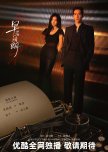
Similarities to The Early Spring:
Both focus on a mature, understated romance rather than a very youthful love story.
The leads are adults with established lives, responsibilities, and personal problems.
The relationship develops slowly and naturally, without rushing into romance.
A major part of the attraction comes from care, understanding, patience, and emotional support.
The ML is calm, reliable, emotionally mature, and protective without being overly controlling.
The FL has her own insecurities and struggles, and the romance develops as she gradually becomes more comfortable with herself and with him.
Both dramas emphasize small gestures and everyday intimacy rather than relying exclusively on dramatic romantic scenes.
The leads become each other's source of comfort and emotional security.
There is a strong feeling of two adults choosing each other after understanding each other's vulnerabilities, rather than simply falling in love because the plot says so.
Both have a relatively realistic and grounded emotional atmosphere, especially compared with more exaggerated romance C-dramas.
The relationship is built around trust, respect, communication, and companionship.
The romance also allows both characters to grow emotionally, rather than one character completely changing for the other.
Both focus on a mature, understated romance rather than a very youthful love story.
The leads are adults with established lives, responsibilities, and personal problems.
The relationship develops slowly and naturally, without rushing into romance.
A major part of the attraction comes from care, understanding, patience, and emotional support.
The ML is calm, reliable, emotionally mature, and protective without being overly controlling.
The FL has her own insecurities and struggles, and the romance develops as she gradually becomes more comfortable with herself and with him.
Both dramas emphasize small gestures and everyday intimacy rather than relying exclusively on dramatic romantic scenes.
The leads become each other's source of comfort and emotional security.
There is a strong feeling of two adults choosing each other after understanding each other's vulnerabilities, rather than simply falling in love because the plot says so.
Both have a relatively realistic and grounded emotional atmosphere, especially compared with more exaggerated romance C-dramas.
The relationship is built around trust, respect, communication, and companionship.
The romance also allows both characters to grow emotionally, rather than one character completely changing for the other.

Similarities to The Early Spring:
Both feature successful, ambitious adults who already have established careers and goals.
The FL is independent, confident, and professionally successful, rather than being defined solely by her relationship.
The ML is highly capable, intelligent, accomplished, and somewhat reserved.
Both romances have a relatively slow and natural development, with the characters gradually becoming closer.
Their attraction grows alongside mutual respect and admiration.
Neither relationship feels like an instant, unrealistic obsession. The leads have to reconnect, understand each other, and gradually rebuild their emotional connection.
Both dramas give considerable attention to the characters' individual lives and careers outside the romance.
There is a strong sense of adult companionship—the leads genuinely enjoy talking to each other and understand each other's ambitions.
The romance is relatively low on unnecessary melodrama and focuses more on emotional connection and compatibility.
Both show how a relationship can develop when two people are supportive of each other's dreams instead of competing with them.
Both feature successful, ambitious adults who already have established careers and goals.
The FL is independent, confident, and professionally successful, rather than being defined solely by her relationship.
The ML is highly capable, intelligent, accomplished, and somewhat reserved.
Both romances have a relatively slow and natural development, with the characters gradually becoming closer.
Their attraction grows alongside mutual respect and admiration.
Neither relationship feels like an instant, unrealistic obsession. The leads have to reconnect, understand each other, and gradually rebuild their emotional connection.
Both dramas give considerable attention to the characters' individual lives and careers outside the romance.
There is a strong sense of adult companionship—the leads genuinely enjoy talking to each other and understand each other's ambitions.
The romance is relatively low on unnecessary melodrama and focuses more on emotional connection and compatibility.
Both show how a relationship can develop when two people are supportive of each other's dreams instead of competing with them.

Similarities to The Early Spring:
Both are mature workplace romances where career and personal life are deeply intertwined.
The FL is independent, intelligent, capable, and career-oriented. She takes her work seriously and wants to build a life based on her own choices.
Both female leads face pressure and expectations from the people around them, but they gradually learn to prioritize their own happiness and ambitions.
The ML is competent, attractive, confident, and supportive, while initially keeping his feelings under control.
Both dramas portray romance between two adults with their own careers, responsibilities, and emotional baggage.
The relationships develop gradually, rather than the leads immediately falling deeply in love.
A major similarity is the workplace dynamic. The characters spend a significant amount of time together because of their jobs, allowing their feelings to develop naturally.
Both stories emphasize mutual respect and emotional understanding rather than relying entirely on physical attraction.
The FL's career is not sacrificed simply to make the romance work. Her professional ambitions remain an important part of her character.
Both dramas explore the difficulty of balancing career, relationships, family expectations, and personal independence.
The romance has a relatively grounded, everyday quality. Small interactions, conversations, and acts of support are often more important than huge romantic gestures.
Both show the FL becoming increasingly confident in making her own decisions and defining what she wants from life.
There is also a strong theme of personal growth through relationships—the romance isn't just about finding a partner, but about becoming more comfortable with yourself.
Instead of presenting love as something that magically fixes everything, both dramas show that career choices, family pressure, age differences, and personal goals can genuinely affect a relationship.
Both are mature workplace romances where career and personal life are deeply intertwined.
The FL is independent, intelligent, capable, and career-oriented. She takes her work seriously and wants to build a life based on her own choices.
Both female leads face pressure and expectations from the people around them, but they gradually learn to prioritize their own happiness and ambitions.
The ML is competent, attractive, confident, and supportive, while initially keeping his feelings under control.
Both dramas portray romance between two adults with their own careers, responsibilities, and emotional baggage.
The relationships develop gradually, rather than the leads immediately falling deeply in love.
A major similarity is the workplace dynamic. The characters spend a significant amount of time together because of their jobs, allowing their feelings to develop naturally.
Both stories emphasize mutual respect and emotional understanding rather than relying entirely on physical attraction.
The FL's career is not sacrificed simply to make the romance work. Her professional ambitions remain an important part of her character.
Both dramas explore the difficulty of balancing career, relationships, family expectations, and personal independence.
The romance has a relatively grounded, everyday quality. Small interactions, conversations, and acts of support are often more important than huge romantic gestures.
Both show the FL becoming increasingly confident in making her own decisions and defining what she wants from life.
There is also a strong theme of personal growth through relationships—the romance isn't just about finding a partner, but about becoming more comfortable with yourself.
Instead of presenting love as something that magically fixes everything, both dramas show that career choices, family pressure, age differences, and personal goals can genuinely affect a relationship.

Similarities to The Early Spring:
Both are workplace romances where the characters’ professional lives play a major role in the story.
The FL is ambitious, intelligent, independent, and career-oriented. She isn't simply there to support the ML—she has her own goals and wants to establish herself professionally.
The ML is highly successful, capable, confident, and intimidating at first glance.
Both male leads can come across as cold, sharp-tongued, demanding, and difficult to approach, especially in professional situations.
There is a strong workplace power dynamic between the leads, which creates a lot of tension and chemistry.
The leads have a history together, so their relationship isn't simply two strangers meeting and falling in love.
Their interactions are full of teasing, arguments, witty banter, competitiveness, and obvious attraction.
Both romances have a strong slow-burn quality: the characters gradually realize that their feelings are much deeper than they initially admit.
The FL isn't portrayed as helpless. She is capable and determined, and her professional development remains important throughout the story.
Both dramas balance romance and career ambitions, showing how work, personal goals, and relationships can affect one another.
There's also the appeal of watching a seemingly emotionally controlled man gradually become softer and more vulnerable around the woman he loves.
Most importantly, both have that satisfying dynamic of “two ambitious adults who challenge each other professionally but are deeply attracted to each other.”
Both are workplace romances where the characters’ professional lives play a major role in the story.
The FL is ambitious, intelligent, independent, and career-oriented. She isn't simply there to support the ML—she has her own goals and wants to establish herself professionally.
The ML is highly successful, capable, confident, and intimidating at first glance.
Both male leads can come across as cold, sharp-tongued, demanding, and difficult to approach, especially in professional situations.
There is a strong workplace power dynamic between the leads, which creates a lot of tension and chemistry.
The leads have a history together, so their relationship isn't simply two strangers meeting and falling in love.
Their interactions are full of teasing, arguments, witty banter, competitiveness, and obvious attraction.
Both romances have a strong slow-burn quality: the characters gradually realize that their feelings are much deeper than they initially admit.
The FL isn't portrayed as helpless. She is capable and determined, and her professional development remains important throughout the story.
Both dramas balance romance and career ambitions, showing how work, personal goals, and relationships can affect one another.
There's also the appeal of watching a seemingly emotionally controlled man gradually become softer and more vulnerable around the woman he loves.
Most importantly, both have that satisfying dynamic of “two ambitious adults who challenge each other professionally but are deeply attracted to each other.”

Both dramas put a strong emphasis on career, ambition, and professional growth, not just romance.
The FL is ambitious, hardworking, independent, and determined to build a successful career.
Both female leads have to prove themselves in male-dominated professional environments.
The ML is highly capable, experienced, demanding, and influential in his professional field.
There is a strong boss–employee dynamic, creating tension and power imbalance between the leads.
The FL initially works under the ML and is heavily influenced by his professional standards.
Both stories show the FL gradually becoming more confident, competent, and independent, rather than simply relying on the male lead.
Personal growth and career growth are closely connected to the romance.
The relationship develops through working together, conflicts, misunderstandings, mutual respect, and gradually changing perceptions.
Both have a more adult atmosphere, with characters dealing with career pressure, ambition, failure, and difficult choices.
A major similarity is the theme of a woman finding her own identity and success instead of remaining in a man's shadow.
The workplace isn't just a backdrop—the characters' careers actively affect their relationship and personal development.
Biggest similarity:
If what you loved about The Early Spring was watching Shang Zhitao grow from someone who is professionally inexperienced into a capable, independent woman, Master of My Own is particularly appealing.
The FL is ambitious, hardworking, independent, and determined to build a successful career.
Both female leads have to prove themselves in male-dominated professional environments.
The ML is highly capable, experienced, demanding, and influential in his professional field.
There is a strong boss–employee dynamic, creating tension and power imbalance between the leads.
The FL initially works under the ML and is heavily influenced by his professional standards.
Both stories show the FL gradually becoming more confident, competent, and independent, rather than simply relying on the male lead.
Personal growth and career growth are closely connected to the romance.
The relationship develops through working together, conflicts, misunderstandings, mutual respect, and gradually changing perceptions.
Both have a more adult atmosphere, with characters dealing with career pressure, ambition, failure, and difficult choices.
A major similarity is the theme of a woman finding her own identity and success instead of remaining in a man's shadow.
The workplace isn't just a backdrop—the characters' careers actively affect their relationship and personal development.
Biggest similarity:
If what you loved about The Early Spring was watching Shang Zhitao grow from someone who is professionally inexperienced into a capable, independent woman, Master of My Own is particularly appealing.

Similarities to The Early Spring:
Both feature mature, career-driven adults who take their work seriously.
The FL is ambitious, independent, intelligent, and determined to succeed professionally.
The ML is competent, successful, calm, and emotionally reserved.
Both dramas combine workplace struggles with romance, so the characters’ careers are an important part of the story.
The romance develops alongside their professional lives rather than existing separately from them.
There is plenty of chemistry, emotional tension, and gradual romantic development.
Both have the appeal of watching two capable adults slowly become emotionally important to each other.
Both feature mature, career-driven adults who take their work seriously.
The FL is ambitious, independent, intelligent, and determined to succeed professionally.
The ML is competent, successful, calm, and emotionally reserved.
Both dramas combine workplace struggles with romance, so the characters’ careers are an important part of the story.
The romance develops alongside their professional lives rather than existing separately from them.
There is plenty of chemistry, emotional tension, and gradual romantic development.
Both have the appeal of watching two capable adults slowly become emotionally important to each other.

If the emotional and realistic aspects of The Early Spring are important to you, this one is highly recommended. The story follows two mature adults who have their own emotional wounds and real-life struggles.


Both dramas feature a doctor giving out advise to individuals with sexual concerns. However, Doctor climax leans more into the comedy genre than S & X.
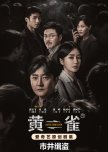

Both drama main lead starring Guo Jingfei.
Explores the complex lives and struggles of people traveling through the Li Cheng train station, highlighting the intense conflict between good and evil with high-stakes action and intrigue throughout a series of thrilling railway anti-pickpocketing cases.
Explores the complex lives and struggles of people traveling through the Li Cheng train station, highlighting the intense conflict between good and evil with high-stakes action and intrigue throughout a series of thrilling railway anti-pickpocketing cases.

Both are crime drama starring Ren Suxi
A struggling couple accidentally moves into a lavish mansion and discovers a hidden fortune. But as unexpected troubles follow, they begin to question whether their sudden luck is a blessing or a curse.
A struggling couple accidentally moves into a lavish mansion and discovers a hidden fortune. But as unexpected troubles follow, they begin to question whether their sudden luck is a blessing or a curse.


The main lead have the same poor life.
Su Lin, a young girl, was neglected by her parents since she was a child and grew up in a poor and difficult environment, but she always studied hard and looked forward to the future. Su Lin worked hard at speaking and won the role of the Little Mermaid in the English recital play, which made her classmate Ma Na jealous. During a fierce conflict, she accidentally fell into an underground pipe, and her life or death was unknown.
Su Lin, a young girl, was neglected by her parents since she was a child and grew up in a poor and difficult environment, but she always studied hard and looked forward to the future. Su Lin worked hard at speaking and won the role of the Little Mermaid in the English recital play, which made her classmate Ma Na jealous. During a fierce conflict, she accidentally fell into an underground pipe, and her life or death was unknown.


Urban slice of life drama about family bond also starring Tong Yao.
Shen Ming Zhu lives in the old town of Nanxi, where her adoptive parents run a small restaurant, and her boyfriend, Feng Jian Qi, lives in the affluent new town. The two are in love and get married, but they are opposed by the Feng family because they are not in the right family. Jian Qi died unexpectedly, and the Feng family begged Ming Zhu to give birth to a child.
Shen Ming Zhu lives in the old town of Nanxi, where her adoptive parents run a small restaurant, and her boyfriend, Feng Jian Qi, lives in the affluent new town. The two are in love and get married, but they are opposed by the Feng family because they are not in the right family. Jian Qi died unexpectedly, and the Feng family begged Ming Zhu to give birth to a child.

Urban drama involving 2 sisters also starring Tong Yao.
The two sisters of the Wang family have had very different personalities since childhood. The elder sister Wang Yan suffers from congenital anemia, while the younger sister Wang Ling Jun is willful and naughty. Wang Ling Jun came to Shenzhen despite her family's objections, breaking the seemingly peaceful life of Wang Yan, who was also in Shenzhen.
The two sisters of the Wang family have had very different personalities since childhood. The elder sister Wang Yan suffers from congenital anemia, while the younger sister Wang Ling Jun is willful and naughty. Wang Ling Jun came to Shenzhen despite her family's objections, breaking the seemingly peaceful life of Wang Yan, who was also in Shenzhen.
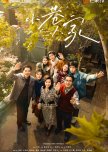

Same family period slice of life drama.
In the late 1970s, in a small alley of a cotton spinning factory's residential area in Suzhou, the Zhuang and Lin families lived. As the college entrance examination resumed, Zhuang Chao Ying, a teacher, and his wife, Huang Ling, prioritized their children's exams as the family's top priority. Their neighbor, Lin Wu Feng, and his wife, Song Ying, also began to pay attention to their son's studies due to their influence.
In the late 1970s, in a small alley of a cotton spinning factory's residential area in Suzhou, the Zhuang and Lin families lived. As the college entrance examination resumed, Zhuang Chao Ying, a teacher, and his wife, Huang Ling, prioritized their children's exams as the family's top priority. Their neighbor, Lin Wu Feng, and his wife, Song Ying, also began to pay attention to their son's studies due to their influence.
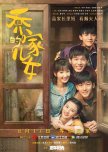
A period family drama about the Qiao family five kids who have to depend on each other after their mother past away giving birth to their 5th child (little brother Qiqi). They are neglected by their father and have to support each other through thick and thin.


