K-Drama

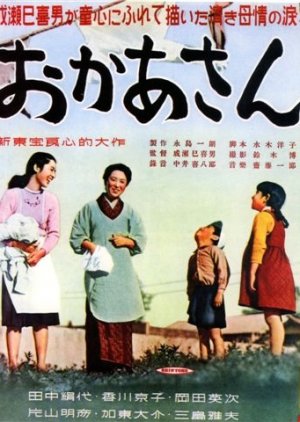
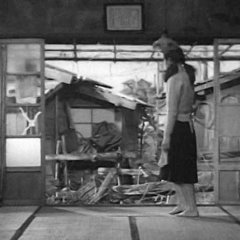
The film depicts a tough period in the life of Masako Fukuhara who struggles to look after an ill son, failing from dust of velvet-making workshop, a husband ill from overwork in the war, a young girl, a younger boy cousin and a teenage daughter Toshiko. Forced to take over the family dry-cleaning business after the death of her husband, Masako also attempts to cope with her daughter's rebellious behavior. Toshiko, meanwhile, harbors suspicions that her mother is falling for her Uncle Kimura, even as she herself starts to feel the first stirrings of love and passion. Through it all, Masako works on uncomplaining and efficient, while enjoying the pleasures of watching her children grow up. (Source: Wikipedia) Edit Translation
- English
- magyar / magyar nyelv
- dansk
- Norsk
- Native Title: おかあさん
- Also Known As: Okaasan
- Director: Naruse Mikio
- Screenwriter: Mizuki Yoko
- Genres: Drama
Cast & Credits
-
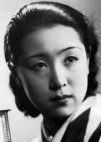
") Tanaka Kinuyo Main Role
Tanaka Kinuyo Main Role -
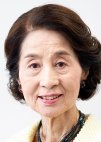
") Kagawa Kyoko Main Role
Kagawa Kyoko Main Role -
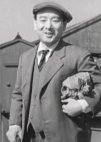
") Mishima MasaoFukuhara RyousukeSupport Role
Mishima MasaoFukuhara RyousukeSupport Role -
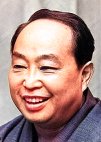
") Kato DaisukeKimura ShokichiSupport Role
Kato DaisukeKimura ShokichiSupport Role -
") Okada EijiHirai ShinjiroSupport Role
Okada EijiHirai ShinjiroSupport Role -
") Katayama AkihikoFukuhara SusumuSupport Role
Katayama AkihikoFukuhara SusumuSupport Role

Reviews

"A mother has to be strong"
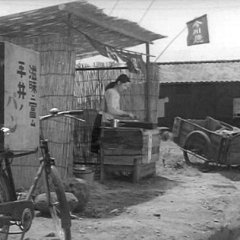
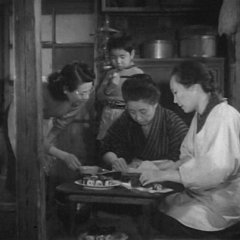
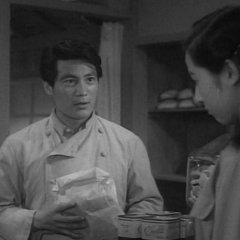
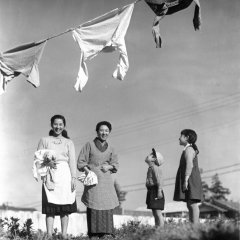
Naruse Mikio created a compelling film about the Fukuhara family anchored by a loving and tenacious Mother. Dealing with the aftermath financially and emotionally following WWII, friends and family made the most of their lives and meager incomes.Fukuhara Toshiko introduces her family-Masako, her mother whom she adores, her father Ryosuke aka Papa Popeye, her little sister Chako, her brother Susumu, and her young cousin Tetsu. Susumu is chronically ill after breathing in dangerous materials at work and is bed bound. Her beloved father is planning to open a laundry service. Her mother sells items out of cart and has taken in her sister’s little boy. The two youngest squabble and play like siblings. And Toshiko helps with a snack shop where the local baker often stops by for food and to share his latest book. Money is tight but everyone finds joy as they face each day and each crisis head on.
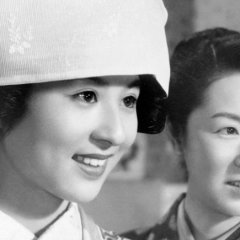
Once again, Tanaka Tatsuyo was the center of a film. Masako’s family orbited around her and depended on her strength and insight. Death visited their doorstep not once, but twice and still Masako straightened her spine and carried on. Masako wasn’t maudlin nor the film depressing. She shed her tears and then summoned her smile for her children. The synopsis says that Toshiko was a rebellious teenager. She was far from that. Kagawa Kyoko gave Toshiko a ray of sunshine smile regardless of the never-ending work the teenager faced. Gradually falling in love couldn’t keep Toshiko from helping her family. She had only one stumbling block that was understandable after a loss. Even the younger daughter understood the sacrifice that was required when the dwindling family’s back was up against the wall. What I liked about this film is that the family dealt with loss and sacrifice in a pragmatic and loving way. They did what needed to be done without much complaining.
Mother gave a small view into women’s lives after the war. Unlike Ozu’s middle-class families, these were people on the lower end of the economic scale. Nearly everyone had been touched by the loss of a husband or son. Life went on and each person had to find a way to survive. While the survivors lived with their grief and financial insecurity, they still discovered ways to be content and laughter was always close by. Friends and family rallied to bolster those who were suffering or in need. Mother was not a profound film but I found myself deeply invested in these loyal and likeable people’s struggle to keep moving forward and maintain their love for each other.
3 February 2026
Was this review helpful to you?
Recommendations
There have been no recommendations submitted. Be the first and add one.