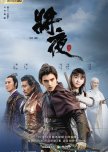






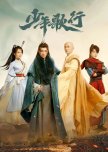


 Cupid’s Dream Pairings
 - Italiano
- 中文(台灣)
- 中文(简体)
- Русский
Dove Guardare Ever Night

Subscription (sub)

Gratis (sub)

Gratis (sub)

Gratis

Subscription (sub)
Cast & Ringraziamenti
-
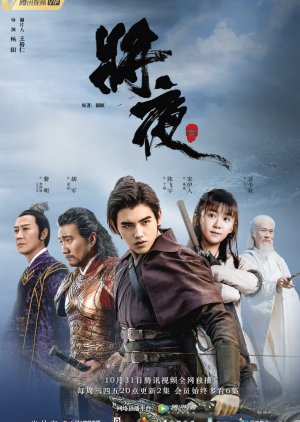
") Arthur Chen Ruolo Principale
Arthur Chen Ruolo Principale -
") Ireine Song Ruolo Principale
Ireine Song Ruolo Principale -
") Adam Cheng Ruolo Principale
Adam Cheng Ruolo Principale -
") Kris Sun Ruolo Principale
Kris Sun Ruolo Principale -
") Zoey Meng Ruolo Principale
Zoey Meng Ruolo Principale -
") Tong Yao Ruolo Principale
Tong Yao Ruolo Principale
Recensioni

Questa recensione può contenere spoiler
Fantasy epico inusuale e interessante... Ma anche impegnativo e imperfetto.
Drama inusuale, un fantasy epico ambientato in un mondo antico tra coltivazione, profezie e arti marziali, che affascina per certi versi ma che lascia abbastanza perplessi per altri.Il ritmo risente certamente dell’estrema durata – 60 episodi a mio avviso sono davvero troppi, anche per la serie migliore del mondo, che non è sicuramente questa – per cui si alternano parti più interessanti e altre che risultano quasi superflue, dove la noia è inevitabilmente in agguato.
Le scene di combattimento sono davvero accattivanti e di grande effetto, soprattutto nella prima parte e nel finale. Scenografia e CGI molto curate, da questo punto di vista è stato fatto sicuramente un buon lavoro. Una menzione d’onore alla fotografia, davvero spettacolare.
La trama non è originalissima ma sufficientemente articolata e interessante, sebbene non manchino delle falle in termini di nessi logici. Ad arricchire le vicende ci sono scontri tra sette potenti, abili guerrieri, coltivatori, e profezie sinistre che presagiscono un futuro di buio e di totale caos. I personaggi sono davvero molti, ho apprezzato in particolar modo i “fratelli/sorelle” dell'accadeia, ma trovato abbastanza sotto tono i cattivi, tratteggiati in modo sbiadito e per nulla soddisfacente .
Passando ai protagonisti, Ning Que è un antieroe credibile, caratterizzato da una serie di difetti che lo rendono molto più realistico del classico protagonista da manuale, forte, bello, valoroso e senza alcuna sbavatura.
Lui no, lui è un sopravvissuto, con tutto il carico che un passato come il suo comporta. I suoi valori e i suoi metodi sono quelli di chi ha dovuto lottare costantemente per non soccombere. Scaltro e spavaldo, a tratti manipolatore, decisamente sfacciato, poco avvezzo al tatto, tenace e feroce – soprattutto se si pensa ai primi episodi - e diffidente nei confronti di tutti fatta eccezione di Sang Sang.
Sang Sang è una giovane ragazza abituata a rimboccarsi le maniche, cresciuta praticamente in simbiosi con il suo “Shao-Ye”: il loro è un prendersi cura a vicenda, ciascuno dei due mettendo a frutto le proprie capacità. In Sang Sang è evidente un affidarsi completamente a Ning Que, con una fiducia cieca.
E’ un pairing piuttosto particolare e di difficile definizione: il legame stretto che condividono fin dall’infanzia, un rapporto esclusivo che li ha visti affrontare fianco a fianco tutto il percorso di crescita e tutte le difficoltà incontrate nella vita viene affrontato da diverse angolazioni nel corso del drama. Andando oltre la scontata apparenza del rapporto serva-padrone, si evince un legame molto più profondo. Salvata quando era ancora in fasce da Ning Que quand'egli stesso era solo un bambino, viene di fatto cresciuta da lui al pari di una figlia di cui, nonostante la giovanissima età, si fa praticamente carico. Col passare degli anni il supporto diventa via via reciproco, il vivere assieme e la confidenza che caratterizza il loro rapporto ricorda molto il legame tra due amici o fratelli pur non essendo di fatto nè l'uno nè l'altro, con lui che lotta per la sopravvivenza di entrambi e lei che si prende cura di lui e gestisce le finanze. Solo ben dopo la metà della serie si affronterà il loro rapporto in termini di coppia, aspetto che non verrà mai promosso da un vero e proprio sentimento passionale o romantico ma più determinato da un profondo e platonico senso di appartenenza reciproca. Anche la semplice ma volutamente palese differenza di statura sembra entrare in contrasto con l’idea dei due come coppia.
Non c’è quindi il classico romance che caratterizza molti drama di questo genere e questo può essere al contempo una delusione e un valore aggiunto. Ning Que manifesterà inoltre un interesse anche nei confronti di altre figure femminili, prime fra tutte la Maniaca dei Libri. L’infatuazione nei suoi confronti lo porrà di fronte ad un arduo dilemma, e se da una parte promuoverà in lui la consapevolezza dell’appartenenza profonda e indissolubile che da sempre lo lega a Sang Sang – e che sempre lo legherà – già che il pensiero di separarsi da lei non era mai stato preso nemmeno in considerazione e quando si presenta la possibilità che accada scopre di non poterlo sopportare, dall’altra la decisione di scegliere in modo definitivo Sang Sang non è propriamente un momento di gioia, ma piuttosto una decisione dolceamara, che comporta anche il rimpianto di dover lasciar andare una donna – la Maniaca dei Libri – che gli piace indubbiamente molto. E' affascinato e intrigato da una, ma legato in modo profondo all'altra: a una può rinunciare - pur con rammarico - all'altra no. Per chi ama le storie d’amore non è certo un risvolto che si riesce ad apprezzare più di tanto, per quanto sia per assurdo forse più realistico delle innumerevoli love story dove il lui di turno ha occhi solo per lei (e viceversa) in un mondo perennemente tinteggiato di rosa.
In questo senso sono stata molto combattuta: per certi versi ho apprezzato l’originalità della situazione e il suo essere appunto molto realistica, ma a conti fatti le emozioni e le storie che si cercano in un drama spesso hanno lo scopo di permettere un momentaneo distacco dalla realtà e qualche sogno ad occhi aperti, quindi in questo senso è stato piuttosto deludente.
Una nota che può apparire un po' stonata è l’atteggiamento spesso rude di Ning Que nei confronti di Sang Sang, che, per quanto celi in realtà un profondo affetto, sembra davvero un po’ bistrattarla. Solo con un successivo rewatch ho colto delle sfumature che hanno attutito un po' questo effetto.
Parlando del cast, buona la prova recitativa, ma non eccellente. Non conoscevo Ireine Song, l’ho trovata brava anche se forse non ha saputo sfruttare completamente il potenziale legato al suo personaggio. A vestire i panni di Niang Que un giovanissimo Chen Fei Yu, attualmente uno dei miei attori cinesi preferiti e sulle cui orme sono giunta a questo titolo. Esteticamente ancora segnato dalle fattezze tipiche adolescenziali, i cui lineamenti sono diventati poi negli anni più sottili ed eleganti, si contraddistingue per una recitazione interessante ma ancora molto acerba e imperfetta. Un talento all’epoca ancora da raffinare, con una buona base espressiva dove manca però in termini di esperienza e di controllo, soprattutto per quanto riguarda la mimica facciale, ben lontana dall’eleganza che – al di là dei ruoli interpretati – ha acquisito col tempo e dato prova negli ultimi drama. Resta comunque una valutazione positiva se si considera che è il suo primo ruolo da protagonista di un drama della durata importante e che all’epoca era appena diciottenne. In generale, il resto del cast - decisamente numeroso - vanta delle prove di tutto rispetto.
Il finale cala il sipario dopo un passaggio forte e su una scena particolarmente intensa, che rimanda il prosieguo alla seconda stagione, alla quale ho buttato giusto un’occhiata veloce: la sostituzione dell’attore protagonista e un’altra sfilza interminabile di episodi hanno avuto effetto deterrente.
Complessivamente lo vedo come un progetto corposo e ambizioso, riuscito per la maggior parte, che regala una valida e un po’ atipica saga eroica, dei bei personaggi e una buona e apprezzabile recitazione. A distanza di tempo l'ho anche rivisto e, avendo nel frattempo qualche termine di paragone in più rispetto a drama dello stesso genere, lo metterei senza dubbio nell'elenco dei titoli consigliati.
Questa recensione ti è stata utile?
Questa recensione può contenere spoiler
I'm gonna say this straight up: this is probably the best wuxia/fantasy/adventure/epic drama I've watched. Multiple factors add to this such as cast, script, BEAUTIFUL cinematography, actually good CGI and so on. Story: The story was very fleshed out and complex, and did the novel justice. Each character, even the minor ones felt like they were placed wherever they were for a purpose and not just as a tool for the plot to move on. The plot was a little draggy in some parts but as I don't really pay attention to these things I didn't take any points off for it. One thing I can say is that I never felt like I wanted to take a break from the series (as I do with a LOT of Chinese and Korean dramas) or drop it. In fact, if I ever missed something accidentally, I would go back and rewatch it in case I missed something important. I also fast forward and speed up my other dramas, but I didn't for this one which I think expresses my devotion haha. The plot is also quite original and there are certain things that set it apart from other wuxia fantasy shows. For example, the fight scenes are very realistic. The opening scene really shocked me as you can see the work the crew and actors have done to make it look and feel real (it worked). Also, the regular tropes that other dramas used are completely changed in this drama. For example, in one of the scenes, the Emperor says (I can't remember exactly what he said oops) "A child born of royalty can live and take revenge, but the child of a doorkeeper can't? What sort of rubbish idea is this?" And this actually made me think...
Acting/Cast: Chen Feiyu, being quite young, filled the shoes of the complicated NingQue very well. He was good at expressing happiness, shamelessness, and quick-fire retaliation with his words. His smug face when he won something from someone is so endearing. I would give him personally a 9.5 for acting as just a few scenes (mostly of negative emotions) felt off. Song Yiren was absolutely amazing, and I would say she is the best main character of the show, She was perfect at expressing child-like dependence and admiration for NingQue as SangSang. She also showed off SangSang's practicality and work ethic very well, as well as her underlying love for NingQue. The romance between the two is extremely subtle in the first half, but from episode 40 or so when NingQue returns with Mo ShanShan, it begins to show as the two are forced to confront each other with what they really want from each other. I loved the endearing way NingQue treated SangSang, you could tell that even though he made fun of her and treated her as a maid sometimes, he really cared for her and would do anything for her. In one scene, he says "SangSang isn't the door to my life, she is my life." Oh God. The other side characters did very well in their roles. I found YanSe and WeiGuangMing particularly astounding, and I'm glad some veteran actors had big roles in the drama (unlike some dramas which only focus on the young actors to attract more audiences). Other characters I loved were ChenPiPi (and his bromance with NingQue and his cuteness), YeHongYu (as NingQue said: "You are THE strongest woman I've ever met."), LiYu (the princess of Tang, an ambitious woman) and every person in the Upper Story.
Music: I like most of the songs in the OST and some of them are very suited to a particular character or setting. For example back in the army they would sing the song "Take your life" and so on. However there would be a song for a particular character but then used for another character which was awkward (but it was a nice song so I didn't mind).
Rewatch value: Okay so the only reason I won't rewatch this is because it's kinda long. Also there's a second season, so I'll just wait for that. BUT the second season won't have Chen Feiyu, which is a shame as I grew used to his face and acting style. The romance and other relationships won't be the same... I've heard news that the main lead in the second season is going to be Dylan Wang, who played DaoMingSi in Meteor Garden. I found his character childish in that and kind of restricted to a few emotions (I didn't even finish, stopped at episode 30) so we'll see how it goes.
10/10 recommend!!
Questa recensione ti è stata utile?