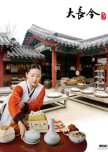







Bread of Happiness (Japanese movie):
Young married couple Rie and Nao move from Tokyo to Tsukiura in Hokkaido Prefecture to start a bakery restaurant named Mani. Nao bakes bread and his wife Rie makes food that complements the bread. Spring, Summer, Autumn and Winter, the customers leave in a happy state.
Tales of the Floating World (Chinese drama):
Thousands of years ago, a little demoness on a tree fell in love with the God of Water. After a tragic and disappointing love story with him, she lived alone in the present world and became the owner of a dessert shop called “Everlasting.” She brews a tea known as “Floating Life,” and many strange customers come to her shop.
Each guest, after drinking the tea, tells a story—a tale of love, hatred, and heartbreaking passion among demons: a handsome demon boy who falls in love with a fish, a magical fox who protects a prophetic flower, a golden lion roaring at the sky to save his beloved, and a midnight butterfly warrior burdened by a strange past who slays demons…
Every customer who visits the dessert shop has a story. And like the “Floating Life” tea, each story blends bitterness and sweetness after countless twists and turns.
The tree demoness listens quietly to their tales. Yet she herself is still searching for her own path in life. Her journey involves Zi Miao, Jiu Gui, Ao Qi, the fat man, and the thin man… In the end, where will they all go?
Similarities:
- both stories set in a cozy shop (in "bread of happiness" they sell bread, in "tales of the floating world" they sell dessert).
- both dramas revolve around multiple different stories, all belonging to those who visit their shop.
Differences:
- In "Bread of Happiness", the people who own the bakery are already a happy couple so we don't see their story progress much.
- In "Tales of the Floating World", the female lead has her own story where we get to see her find her own path in life.
Young married couple Rie and Nao move from Tokyo to Tsukiura in Hokkaido Prefecture to start a bakery restaurant named Mani. Nao bakes bread and his wife Rie makes food that complements the bread. Spring, Summer, Autumn and Winter, the customers leave in a happy state.
Tales of the Floating World (Chinese drama):
Thousands of years ago, a little demoness on a tree fell in love with the God of Water. After a tragic and disappointing love story with him, she lived alone in the present world and became the owner of a dessert shop called “Everlasting.” She brews a tea known as “Floating Life,” and many strange customers come to her shop.
Each guest, after drinking the tea, tells a story—a tale of love, hatred, and heartbreaking passion among demons: a handsome demon boy who falls in love with a fish, a magical fox who protects a prophetic flower, a golden lion roaring at the sky to save his beloved, and a midnight butterfly warrior burdened by a strange past who slays demons…
Every customer who visits the dessert shop has a story. And like the “Floating Life” tea, each story blends bitterness and sweetness after countless twists and turns.
The tree demoness listens quietly to their tales. Yet she herself is still searching for her own path in life. Her journey involves Zi Miao, Jiu Gui, Ao Qi, the fat man, and the thin man… In the end, where will they all go?
Similarities:
- both stories set in a cozy shop (in "bread of happiness" they sell bread, in "tales of the floating world" they sell dessert).
- both dramas revolve around multiple different stories, all belonging to those who visit their shop.
Differences:
- In "Bread of Happiness", the people who own the bakery are already a happy couple so we don't see their story progress much.
- In "Tales of the Floating World", the female lead has her own story where we get to see her find her own path in life.